
Impact of El Nino: Seven Regions in NTB Enter Drought Alert Status
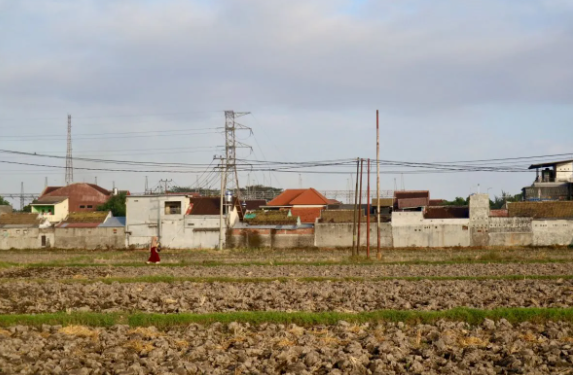
The Meteorology, Climatology, and Geophysics Agency (BMKG) has declared that seven out of ten regencies/cities in West Nusa Tenggara (NTB) province are under a high-level meteorological drought alert. This extreme dry condition is being exacerbated by the strengthening El Nino phenomenon, which has reached an intensity index of +2.26 degrees Celsius.
Suci Agustiarini, a forecaster from the NTB Climatology Station, revealed that several regions in NTB have recorded exceptionally long periods of consecutive rainless days. “The Belo Rain Station and Bolo Rain Station in Bima Regency have not recorded any rainfall for 74 consecutive days. These two areas have entered the extreme drought category because it has been more than two months without rain,” Suci stated in Mataram on Saturday.
Seven regions are currently holding the highest level of the meteorological drought early warning. In total, 17 sub-districts across these seven regencies/cities are experiencing the most severe impacts of drought due to the accumulated strengthening of El Nino during this year’s dry season.
Based on BMKG’s climate analysis, the strengthening of El Nino is expected to persist for several months. Meanwhile, the Indian Ocean Dipole (IOD) phenomenon, which is currently in a neutral phase, is projected to shift towards a positive phase between September and December 2026.
By the end of July 2026, accumulated rainfall in the NTB region was generally in the very low category, ranging from 0 to 10 millimetres per ten-day period. The highest rainfall during this period was only recorded at the Lenangguar Rain Station in Sumbawa Regency, at 19 millimetres per ten-day period.
For the first ten-day period of August 2026 (1–10 August), BMKG estimates that the probability of rainfall remains very low, with a chance of rain recorded at less than 10 per cent across the entire NTB region.
In response to the escalating drought, BMKG has urged local governments and the public to increase vigilance against the potential for forest and land fires, as well as residential fires. The public is advised not to dispose of waste through burning indiscriminately and not to leave fire sources unattended.
“In connection with the increasing number of rainless days and the growing number of areas under meteorological drought alert status, we hope the public can use water wisely to anticipate a clean water crisis,” Suction concluded.