
Impact of Climate Change and Land Conversion on Human-Snake Conflict
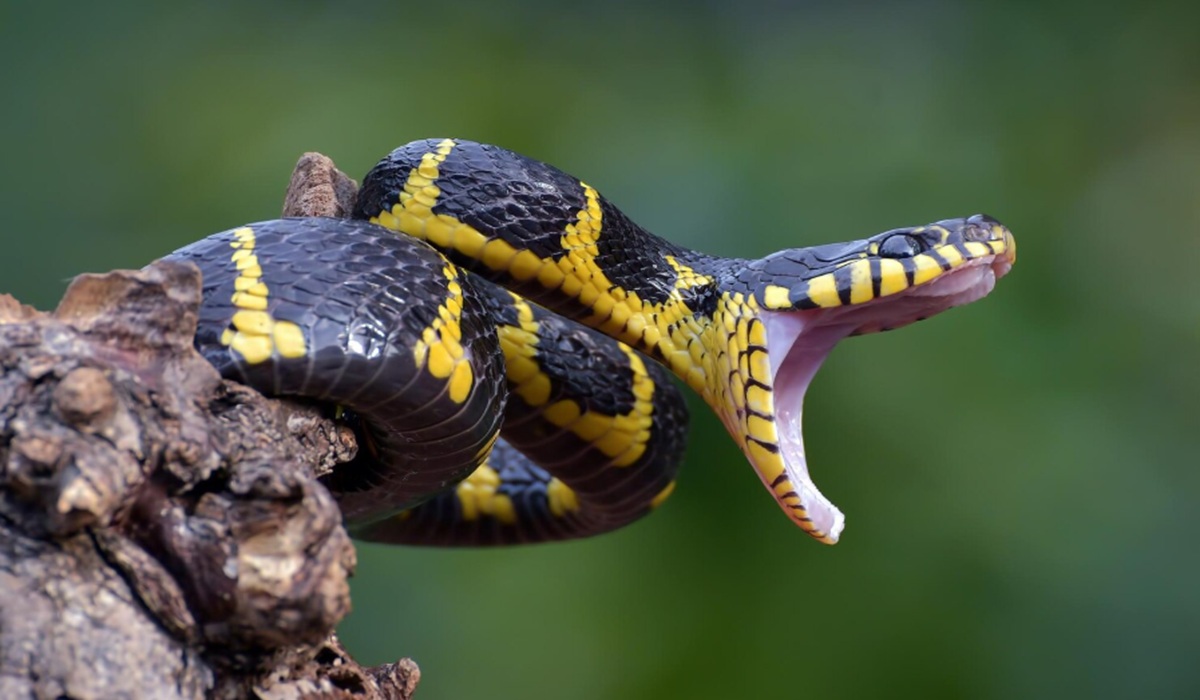
Climate change and land conversion are now serious threats that are increasing the frequency of encounters between snakes and humans. This phenomenon is triggered by changes in temperature, rainfall patterns, and the loss of natural habitats, which force these reptiles to seek new living spaces near human activity.
Prof. Mirza Dikari Kusrini, a lecturer in the Department of Forest Resource Conservation and Ecotourism at the Faculty of Forestry and Environment, IPB University, explained that as ectothermic animals, snakes are highly dependent on environmental temperature to regulate their body metabolism.
"An increase in average temperature can alter the daily and seasonal activity patterns of snakes, including hunting times, reproduction, and habitat use," said Prof. Mirza.
According to the wildlife ecology expert, extreme weather such as floods and prolonged droughts degrades the quality of snakes’ natural habitats. This condition is exacerbated by land conversion, which causes habitat fragmentation. As a result, snakes migrate to residential areas that offer more stable resources.
Human settlements become destinations because they provide various needs for snakes. In Indonesia, rising temperatures and changing rainfall patterns are expected to affect the distribution of species accustomed to living in agricultural landscapes. Prof. Mirza mentioned several types of snakes that have the potential to increase disturbances to humans, such as cobras, banded kraits, and Malayan kraits.
Although the presence of snakes is often considered a nuisance, Prof. Mirza stressed the importance of maintaining ecosystem balance. Snakes are highly effective natural predators in controlling rodent populations, such as rats.
To reduce the risk of conflict, the public is urged to take independent preventative measures, such as maintaining environmental cleanliness, sealing gaps in buildings, and not attempting to catch snakes without proper expertise.
Furthermore, Prof. Mirza emphasised the need for government intervention to strengthen wildlife conflict response systems.