
Immigration strengthens departure screening to reduce human trafficking risk
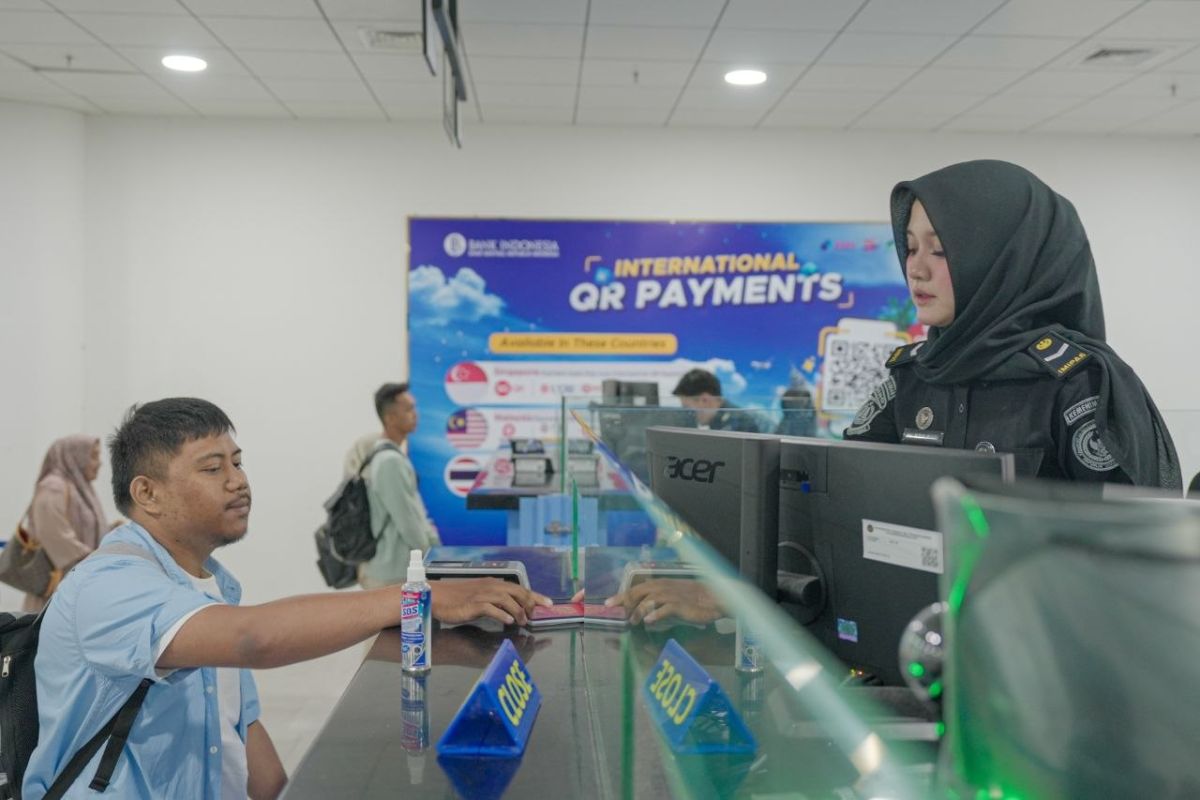
The Directorate General of Immigration (Ditjenim) is strengthening its early detection system at international departure points to reduce the risk of Indonesian citizens becoming victims of human trafficking (TPPO).
According to an official statement from Ditjenim, during the period from January to July 2026, some 8,827 Indonesian citizens indicated as being at risk of trafficking were prevented from departing through postponement of their travel. This figure represents a 12.36 per cent decline compared with the same period in 2025, when there were 9,456 cases.
“Immigration is committed to strengthening prevention at the source through risk-based supervision, public education, and cross-sector synergy, so that no more Indonesian citizens fall victim to human trafficking,” said Director General of Immigration Hendarsam Marantoko in a statement in Jakarta on Tuesday.
Over the same period, Immigration also rejected 9,349 passport applications suspected of misuse.
One focal point has been the Batam Immigration Office, which handles one of the strategic crossings of the Malacca Strait region, where 17 passport applications were rejected during the first half of 2026.
“This is a reminder to us all that the protection of citizens is a shared responsibility,” he said.
Ditjenim recorded a significant decline in indications of non-procedural departures by Indonesian migrant workers (PMI) in 2025 compared with 2024.
Data from Ditjenim shows that in 2024, the number of rejected passport applications stood at 2,470 cases, falling to 890 cases in 2025 — a decrease of 63.97 per cent. Meanwhile, departure postponements fell by 67.85 per cent, from 20,291 to 6,524 individuals.
Hendarsam said the decline reflects efforts to resolve past trafficking cases, in tandem with the strengthening of early detection systems, supervision, and cross-sector collaboration in protecting citizens from the risk of exploitation abroad.
“Ditjenim carries out layered prevention, from the passport issuance process through to departure checks at immigration inspection points (TPI), carried out in accordance with the Immigration Law,” he explained.
If indications of misuse for non-procedural work, or the potential for trafficking, are found, he said, applicants may have their application postponed or rejected for further investigation.
He stressed that these measures are not intended to make things difficult for the public, but rather serve as a form of state protection for its citizens.
“The aim is not to complicate matters for passport applicants, but to ensure that travel documents are not exploited by trafficking syndicates and that people depart through safe and procedurally correct channels,” he affirmed.
Ditjenim has established 1,178 Immigration-Assisted Villages and assigned 516 Village Development Immigration Officers (Pimpasa) as a community-based preventive measure against trafficking.
The programme, he said, aims to raise public awareness of the dangers of trafficking, provide education on formal procedures for working abroad, and strengthen early detection at the village level.
According to him, if individuals indicated as trafficking victims return to Indonesia, the Immigration system will enter their personal data into the Subject of Interest (SOI) list.
“As such, if these subjects intend to travel abroad again, they can be given special attention by officers at immigration inspection points,” he revealed.
Ditjenim is also currently focusing its attention on enforcement against agents or intermediaries who facilitate non-procedural departures and are potentially involved in trafficking networks.
These efforts are being carried out through intensive coordination with law enforcement agencies and relevant ministries and institutions to identify recruitment patterns, departure routes, and the actors involved in these illegal practices.