
Immigration DG: Digital Nomads a Challenge, Visa Rules Under Review
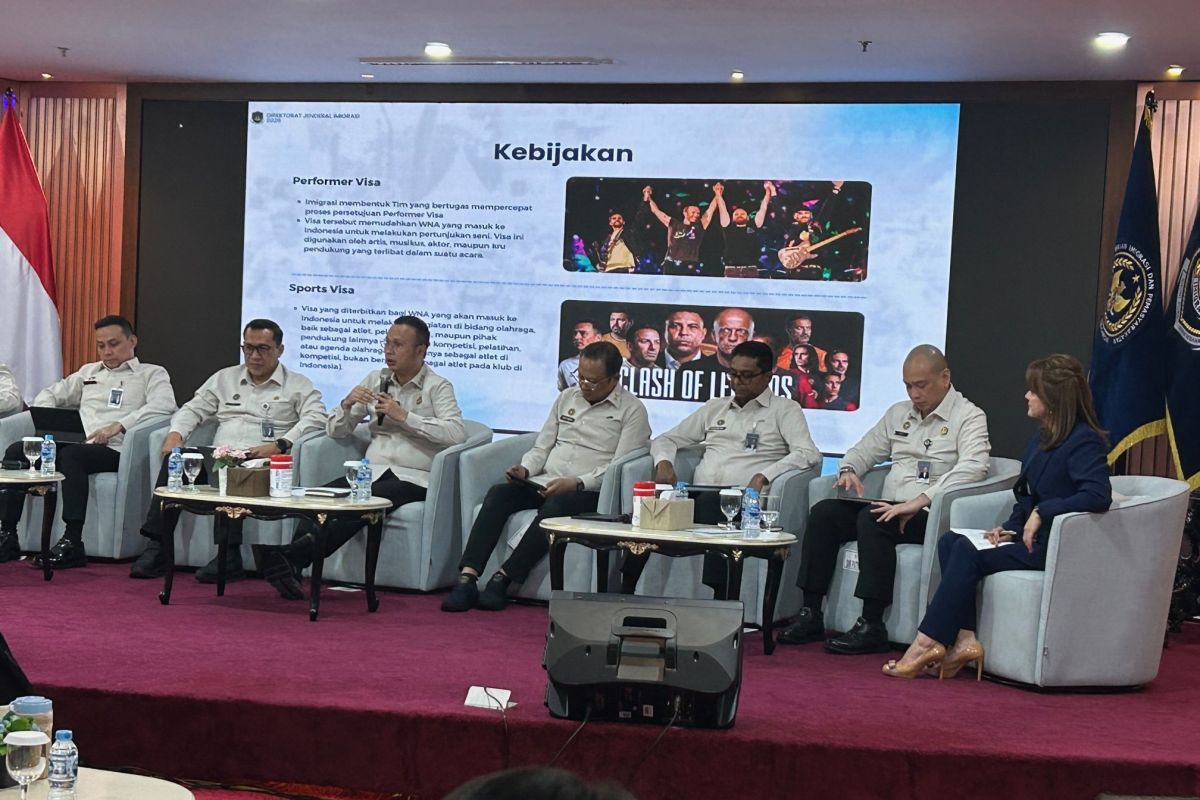
Director General of Immigration Hendarsam Marantoko has stated that the digital nomad phenomenon, prevalent in Bali, presents a new challenge, prompting his office to review work visa regulations for foreign nationals (WNA). He noted that this challenge is not unique to Indonesia but is also faced by European countries. “This digital nomad issue is a collective homework on how to provide the right treatment. I have even sought benchmarking comparisons for handling digital nomads. It turns out the problem is the same everywhere,” Hendarsam said in Jakarta on Wednesday. Digital nomads are individuals who work independently using digital technology, allowing them to complete their work from various locations around the world. Hendarsam remarked that the presence of digital nomads is quite unsettling for the authorities because these foreign nationals are physically in Indonesia and working, yet their employment is based overseas. “This actually bothers us. Logically, they are indeed working, right? Logically, they should be considered as working in Indonesia, even though their work is actually over there, perhaps abroad, but their physical presence is here. So, can we impose a tax or not?” he questioned. He explained that the Directorate General of Immigration is ready to formulate regulations if supported by the public and the media. “If the media and the public support this, let us unite and address this,” he said. Hendarsam added that his office has been communicating intensively with relevant ministries and agencies, including the Directorate General of Taxes, regarding the arrangement for digital nomads. The discussions cover not only the potential for tax revenue from their presence but also legal enforcement aspects. “We will wait for the finalisation date. This is what we are currently studying,” he clarified. The review is being conducted because of a developing public perspective that the presence of digital nomads brings economic benefits, as they spend money on accommodation and food. However, another perspective highlights the risk of foreign nationals without sufficient funds violating their residence permits (overstay). “So, this is what we are currently examining. This is the challenge,” Hendarsam concluded.