
Immigration DG Collaborates with KPK to Strengthen Oversight, Stresses Importance of Integrity
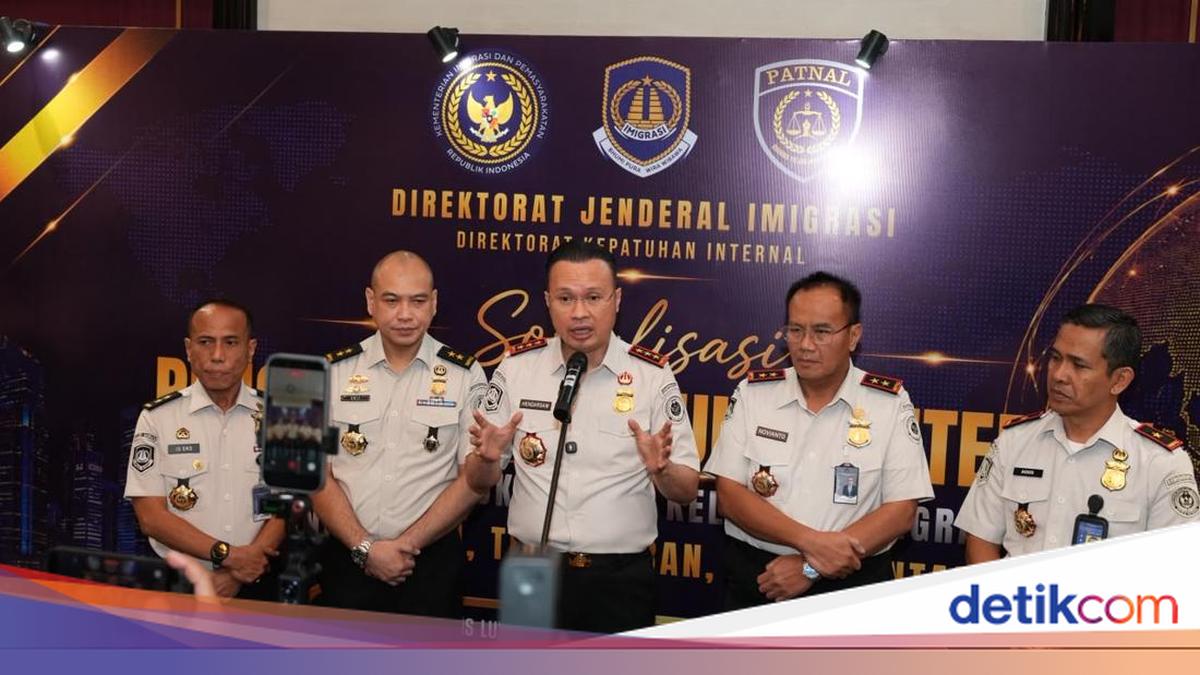
The Directorate General of Immigration has partnered with the Corruption Eradication Commission (KPK) to provide training on strengthening internal integrity within the immigration service. This was carried out as an effort to improve immigration governance. Immigration presented the Head of the KPK’s Gratification Control Programme Task Force, Nensi Natalia, at the Integrated Internal Compliance Strengthening Socialisation event held in Surabaya, East Java, from Wednesday (1/7) to Friday (3/7). The activity was attended by 272 participants, comprising senior leadership officials and heads of immigration technical implementation units from across Indonesia. During the session, Nensi stressed the importance of the prevention stage in gratification control, including maintaining integrity, avoiding conflicts of interest, and reporting to the authorities if gratuities are received. On the same occasion, Director General of Immigration, Hendarsam Marantoko, emphasised good work morality when serving the public. Hendarsam reminded that integrity is fundamental to maintaining the organisation’s dignity. “Integrity and compliance must be the main foundation in every execution of immigration duties and functions. The public not only judges our work results but also how the service process is delivered,” said Hendarsam. The socialisation agenda focused on strengthening the curriculum for preventing irregularities, one of which is through the implementation of the Government Internal Control System (SPIP). All ranks were provided with material on code of ethics enforcement, anti-corruption work culture, compliance with Standard Operating Procedures (SOPs), and the efficiency of immigration law enforcement functions. This strengthening is designed so that agencies can detect potential maladministration early through conflict of interest risk management and the optimisation of the whistleblowing system for reporting violations. In addition to representatives from the KPK, the Directorate General of Immigration also presented several speakers from other state institutions. These included the Director of Supervision for Political and Law Enforcement Affairs at the Finance and Development Supervisory Agency (BPKP), Moch. Fachrudin, and a member of the Indonesian Ombudsman, Robertus Na Endi Jaweng. Hendarsam stressed that the internal compliance function should not be treated as a mere formality. He said this compliance must become the foundation of a work culture practised consistently from the top structural leadership level down to field officers on a daily basis. “Internal compliance must not be viewed solely as a supervisory or punitive function against violations. Internal compliance must become a living work culture within every organisation, from leaders to implementers,” said Hendarsam. At the end of his presentation, Hendarsam requested that all heads of regional offices and immigration technical implementation units immediately implement the results of the forum in their respective work environments. Periodic evaluations will continue to be carried out to reduce the number of potential official irregularities in order to realise bureaucratic reform. “Let us make this momentum a real step to strengthen immigration governance that is clean, transparent, accountable, professional, and oriented towards quality public service,” said Hendarsam.