
Immigration Department partners with ITB to develop drones as digital border fences
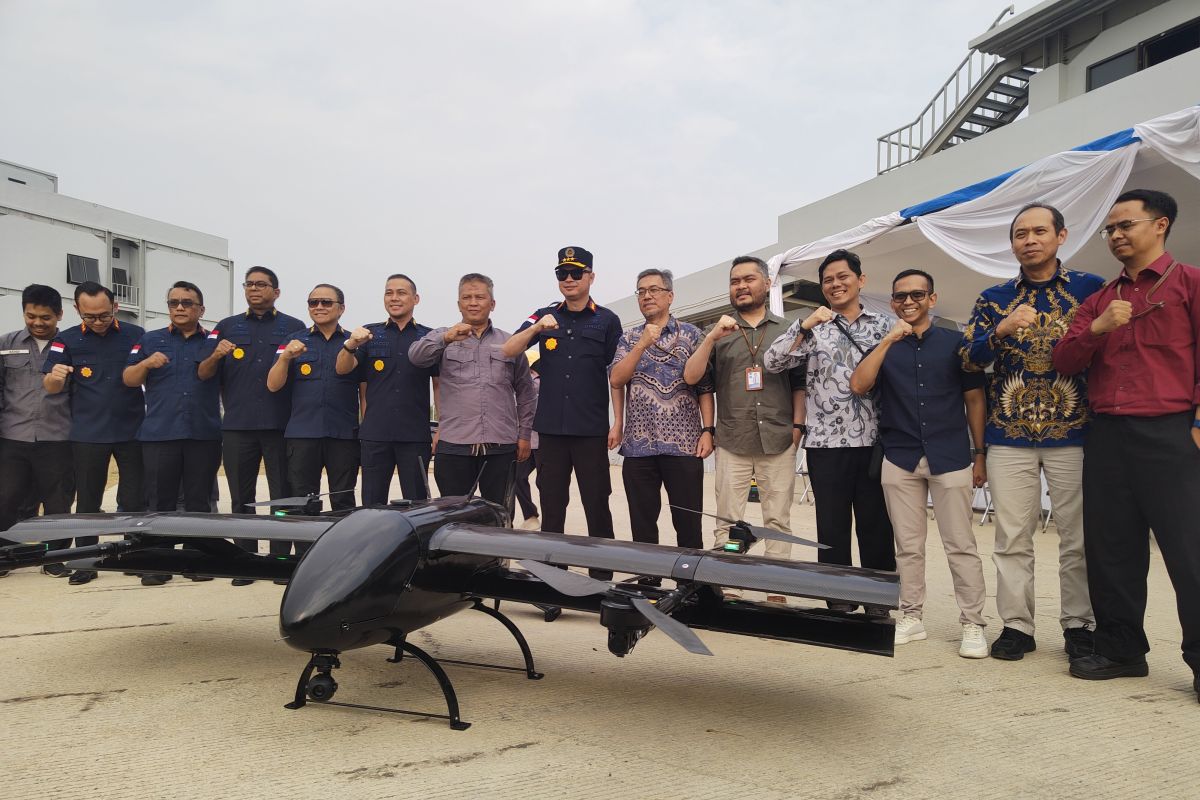
The Directorate General of Immigration, under the Ministry of Immigration and Correctional Services, has partnered with the Bandung Institute of Technology (ITB) to develop unmanned aerial vehicle (drone) technology. This locally-made innovation is projected to serve as a ‘digital fence’ across Indonesia’s border regions and outermost islands.
During a visit to inspect the trial of ITB student-led drone innovations at Suparlan Air Force Base in West Bandung Regency on Friday, the Director General of Immigration, Hendarsam Marantoko, emphasised that Indonesia’s geographical challenges as an archipelagic nation—sharing land and sea borders with three neighbouring countries—can no longer be managed through manual surveillance alone.
However, the implementation of this technology still faces regulatory challenges, including certification and flight permits from the Ministry of Transportation.
“In terms of technical issues, there are almost no remaining problems. The drones are proper. The number one task is to cut through the bureaucracy. Our nation’s youth are capable, but we must eliminate the regulations that hinder them; otherwise, we will fall behind other nations and our talented people will be recruited abroad,” said Hendarsam.
He added that strengthening immigration surveillance through local innovation aligns with President Prabowo Subianto’s directive to achieve national technological sovereignty.
According to Mochammad Agoes Moelyadi, founder of the ITB-incubated startup Mantis Agritech, their drones feature a hybrid design with tandem wings. This design allows the aircraft to fly at low speeds, enabling precise recording of objects in border areas.
In addition to precision, the aerodynamic efficiency of the tandem wings allows for a flight duration of up to 50 minutes, far exceeding the capabilities of conventional quadcopters, which typically last only 15 minutes using similar battery capacities. This extended range and duration are considered ideal for supporting long-term aerial monitoring in remote regions and land borders, ranging from Kalimantan to Papua.