
Imipas Minister orders 10% of prison and detention centre profits to be allocated for social programmes
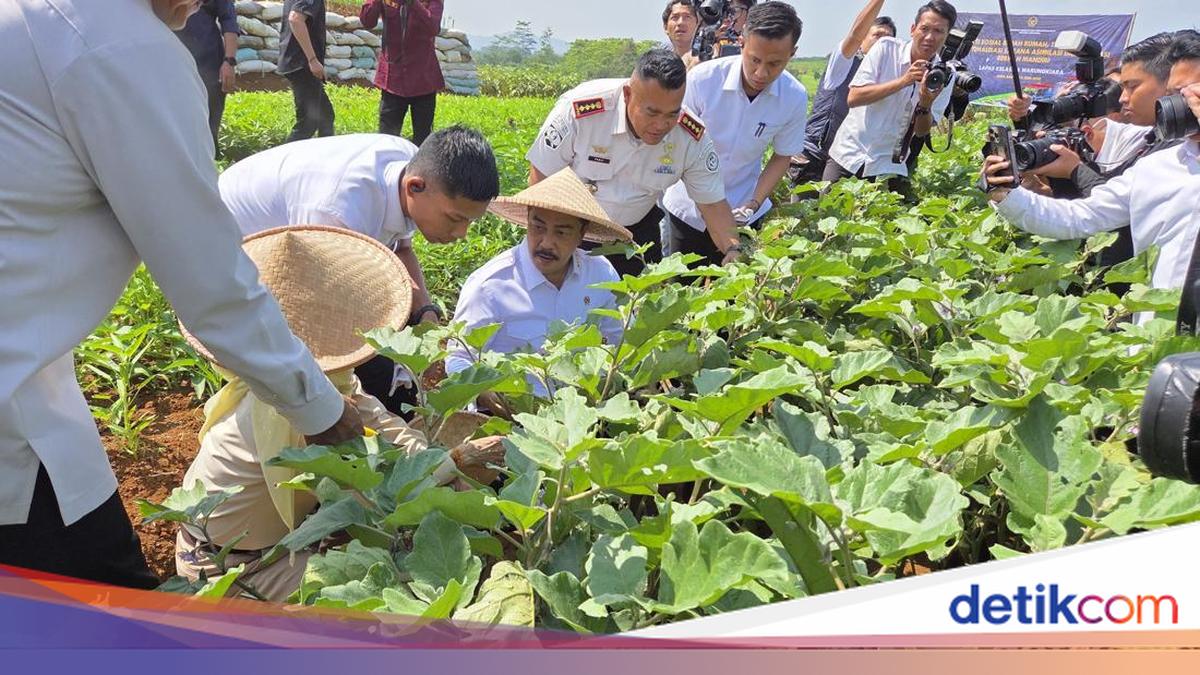
Minister of Immigration and Corrections (Imipas) Agus Andrianto has ordered all correctional facilities (lapas) and state detention centres (rutan) to allocate 10 per cent of their business profits for social programmes. He said the profits are derived from various business units, including plantations and cooperatives.
This was disclosed when Agus handed over social assistance in the form of house renovations in Warungkiara Village, Sukabumi Regency, West Java, on Wednesday (10/6/2026). According to him, the 10 per cent allocation is akin to an investment for the afterlife.
“Hopefully, if all prisons and detention centres set aside a portion, if not the full 10 per cent, treat it as an investment for the Almighty,” Agus said in his remarks.
Agus explained that an example of the proceeds from these ventures is the house renovation social aid programme. This assistance was funded by the bumper harvest from Cirebon Prison in January 2026.
“Later, when there is a profit, set aside 10 per cent from the business activities carried out by colleagues in the corrections service. That 10 per cent should then be used for social activities,” he added.
Agus noted that prisons and detention centres earn profits from managing business units such as wet canteens, dry canteens, and telephone kiosks. However, he stressed that he does not want the profits to always be distributed monthly to members, but rather used to develop and add new business units.
“Please do not just keep distributing it every month. Develop the business from the profits of the telephone kiosks and the wet canteen, which are usually shared out each month, so that the types of businesses can grow,” he said.
Agus stated that social programmes already underway, such as house renovations, have successfully built 24 houses in various regions. In other words, low-income communities can feel the benefits.
“The social service activity in the form of house renovations has actually been carried out; 24 units have been built,” he said.