
IMI: Indonesian modifiers still face homologation challenges
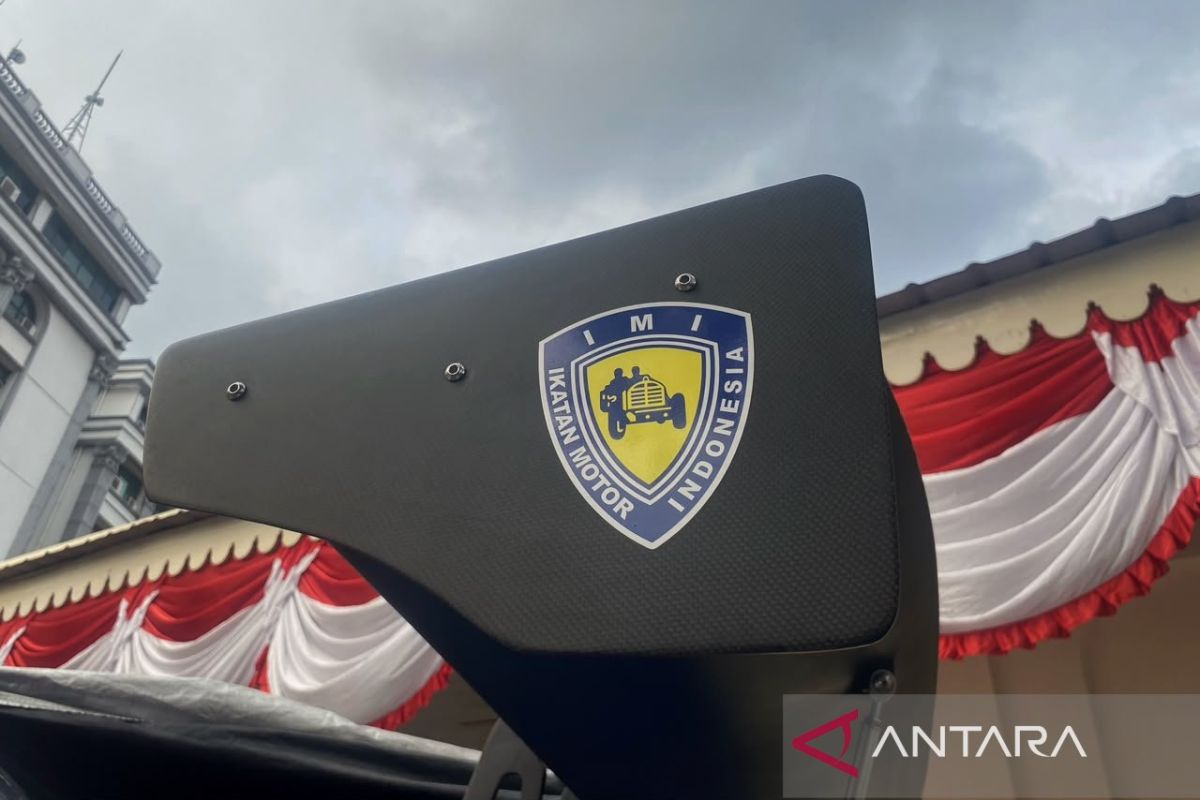
The chairman of the Indonesian Motor Association (IMI), Moreno Soeprapto, has said that the skill of Indonesian modifiers in producing globally standardised work is beginning to gain recognition from international markets.
Nevertheless, he acknowledged that there are still obstacles preventing them from entering a more massive market, due to regulatory challenges, particularly regarding the homologation of modified vehicles.
“From my perspective, in the global market I have already heard of several orders coming from abroad. But now, we are stumbling, perhaps in terms of homologation rules,” said Moreno at Gedung Joang 45, Jakarta, on Wednesday.
He continued that every product entering the global market must be able to meet a number of predetermined roadworthiness and safety requirements.
“So when they make a product, that product must undergo a roadworthiness test. Now, this is already being carried out, but the homologation is not yet in place,” he said.
This condition is important because modified vehicles or products marketed abroad cannot rely solely on the quality of workmanship.
Such products also require clear identity and legality, including serial numbers and chassis numbers.
Nevertheless, the vehicle must still have homologation status so that its legality and accountability can be traced when it moves from one country to another.
“If something happens, everything can be accounted for. Indonesia is already heading in that direction,” he said.
According to Moreno, this development shows that Indonesian automotive modification has moved far beyond a hobby activity.
The industry now forms an ecosystem involving builders, designers, technicians, aftermarket component manufacturers and MSME players.
He assessed that the success of Indonesian works being accepted in foreign markets is proof that the quality of local modifiers is able to compete globally, even though they previously faced a number of rejections.
“This is clear evidence that Indonesia’s sons and daughters can create works and can also be accepted internationally and by the world,” he said.
According to him, the challenge now is no longer simply producing attractive work, but ensuring that the products meet global technical standards and regulations so that the skill of Indonesian modifiers can be transformed into an export-oriented industry.