
IMF-WB Urges Purbaya Not to Overdo Subsidies, He Responds Like This
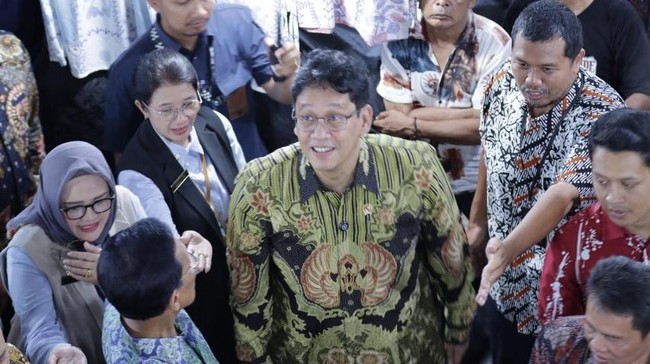
Jakarta, CNBC Indonesia - Finance Minister Purbaya Yudhi Sadewa admitted that he has been pressed by various international institutions during the IMF-World Bank Spring Meeting series to avoid overproviding subsidies to the public. Purbaya stated that this concern arose because the international institutions are puzzled by Indonesia’s ability to keep domestic fuel prices stable, particularly for subsidised fuels, despite the fluctuations in global crude oil prices due to the war in the Middle East between Iran, the US, and Israel. “The main message from the IMF-World Bank is the same: don’t overdo the subsidies so that your country’s budget doesn’t collapse,” said Purbaya at the Juandal I Building of the Ministry of Finance, Jakarta, on Tuesday (21/4/2026). In response to the pressure, Purbaya emphasised that the government has not been excessively providing subsidies to its people, as subsidised fuels are limited, consisting only of Pertalite and Solar types. “We’re not overdoing it; we only subsidise what we provide, and for the non-subsidised ones, I let them float in the market. I understand, and the important thing is that we manage it properly,” he explained. During the meeting, Purbaya also assured the international institutions that Indonesia has layered fiscal defences, which can serve as a buffer to keep the state budget deficit from exceeding the safe limit of 3% of GDP as stipulated in the State Finance Law. “They also now know that our cash management is quite good, and we still have what we call a third or fourth layer of defence in the form of SAL (Surplus Budget Balance),” said Purbaya. Regarding SAL specifically, Purbaya considers it actually a rather absurd budget position, because it leaves government cash idle or unmoving for a long time. However, in crisis periods, it is very useful for maintaining the government’s spending capacity if needed. “In normal conditions, it’s actually absurd that the money isn’t used and just piles up there, but in situations like this, it’s acceptable,” Purbaya explained.