
IMF: Singapore's economy slows amid Middle East conflict
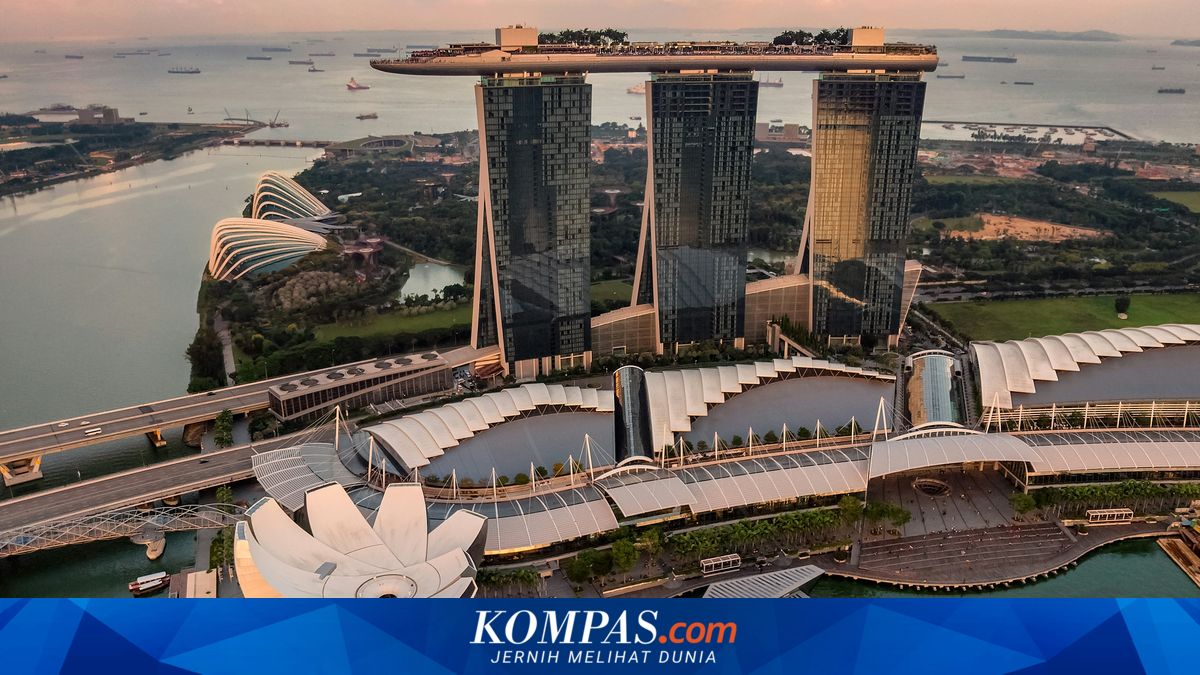
The International Monetary Fund (IMF) says Singapore’s economy remains robust amid rising global uncertainty, including the impact of the war in the Middle East triggering energy shocks. In the outcome statement of the IMF’s 2026 Article IV Consultation mission led by Mission Chief for Singapore Masahiro Nozaki, the IMF said Singapore’s economy remained resilient despite risks of slower growth and higher inflation. ‘Singapore is facing another year with rising global uncertainty. In particular, the war in the Middle East affects the economy through energy shocks,’ the IMF said in its statement, published on Tuesday (19 May 2026). The Singaporean economy grew solidly, with an average growth rate of 3.9% over the 2023-2025 period. Moreover, inflation is seen as remaining low and stable, while the financial system remains robust thanks to banks with strong capital and adequate liquidity. ‘Substantial fiscal buffers, which have been mobilised effectively to weather major shocks such as the COVID-19 pandemic, remain available,’ the IMF said. However, the Middle East conflict is expected to add pressure to the economy through higher energy prices and short‑term supply-chain disruptions. The IMF now projects Singapore’s growth to slow to 3.5% in 2026 and to fall further to 2.7% in 2027. ‘Rising input costs and short-lived supply chain disruptions weigh on energy-intensive and trade‑related industries,’ the IMF wrote. ‘The ongoing technological upturn driven by the global AI boom continues to provide a positive impulse for Singapore,’ the IMF added. The IMF also projected headline inflation in Singapore to rise to 2.6% in 2026 due to increases in global energy prices. It is expected that the rise in energy prices will feed through to various domestic sectors of the economy.