
IMF Proves the World Cannot Yet Abandon the US Dollar
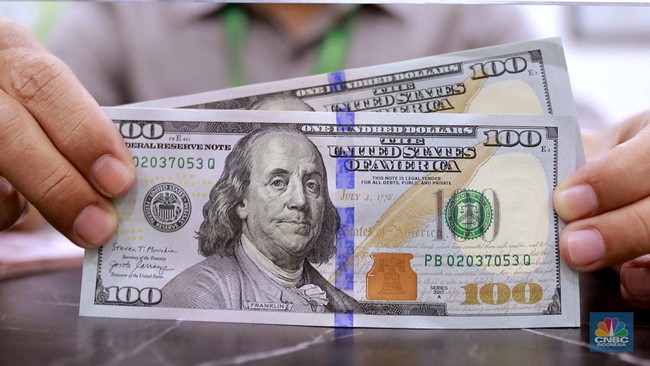
The United States dollar (USD) has once again demonstrated its strength as the world’s primary reserve currency. After experiencing a decline throughout 2025, the dollar’s share of global foreign exchange reserves rose in the first quarter of 2026.
According to the latest report from the International Monetary Fund (IMF) on the Currency Composition of Official Foreign Exchange Reserves (COFER), total global foreign exchange reserves fell slightly to US$13.10 trillion in Q1 2026, down from US$13.15 trillion in the previous quarter. Despite the drop in total reserves, the US dollar’s share increased to 57.13% in Q1 2026, up from 56.42% in Q4 2025.
This increase is noteworthy because the narrative regarding the weakening of dollar dominance was quite strong in 2025, with its share hitting its lowest level in decades. However, the latest IMF release shows that the dollar’s position is not easily displaced.
That said, this rise in the dollar’s share was not entirely due to central banks engaging in massive new purchases of dollar assets. The IMF explained that the slight strengthening of the US dollar against several major currencies was a key factor behind the increase in Q1 2026. Valuation effects resulting from exchange rate fluctuations contributed approximately half of this increase.
Consequently, as the US dollar strengthened against other currencies, the value of dollar-denominated reserves automatically appeared larger in global calculations. This boosted the dollar’s share, even if the entire increase did not stem from new central bank purchases.
Dollar Rises, But De-dollarisation Issues Persist
The rise in the dollar’s share at the start of 2026 does not immediately erase the broader narrative of de-dollarisation. In the long term, the dollar’s share of global reserves remains significantly lower than during its peak. While the US dollar remains the king of global reserves, its dominance is not as potent as it once was. Global central banks continue to diversify into the euro, yuan, gold, and other currencies that were previously less dominant.
For many central banks, foreign exchange reserves are not just about seeking returns; they are tools to maintain exchange rate stability, fund import needs, manage market volatility, and provide security during crises. Therefore, the dollar remains difficult to replace due to the massive size of the US financial market, the high liquidity of its instruments, and the fact that US Treasuries remain one of the most easily tradable assets in the world.
The IMF noted one important point: in 2025, gold surpassed US Treasuries as part of global official reserves. However, this trend was primarily driven by rising gold prices rather than central banks abandoning the dollar. The surge in gold prices boosted the value of central bank gold holdings, though this does not directly reflect in the dollar’s share in COFER, as the IMF calculates reserve composition based on currency, not gold.
Euro Falls, Yuan Rises Slightly
Excluding the greenback, the euro remains the world’s second-largest reserve currency, but its share fell to 20.03% in Q1 2026, down from 20.38% in Q4 2025. Meanwhile, the Chinese yuan saw a slight increase, with the renminbi’s share rising to 1.99% in Q1 2026 from 1.95% in the previous quarter.
While the yuan’s increase remains small and far behind the dollar and euro, the movement is significant as the yuan is increasingly featured in cross-border trade, energy transactions, and efforts by several nations to reduce dependence on the US dollar. However, the yuan faces major challenges, including a Chinese financial market that is not as deep as the US market, capital controls, and a lack of global confidence in yuan assets compared to the dollar. Thus, the yuan’s role is currently better viewed as a diversification supplement rather than a near-term replacement.
Japanese Yen Sees Largest Decline
A striking trend in Q1 2026 came from the Japanese yen. The IMF noted the yen’s share dropped from 5.84% in Q4 2025 to 5.44% in Q1 2026, the largest percentage point decrease among major currencies. The IMF explained that changes in reserve shares are influenced not only by exchange rates but also by active management by central banks, bond price movements, and changes in government bond yields.
In Q1 2026, the yen and the Swiss franc saw significant movements in benchmark bond yields compared to other reserve currencies. The shares of the British pound and the Canadian dollar also fell slightly, while the Australian dollar and the Swiss franc saw increases.
Other Currencies Remain Above 6%
The group of other currencies not listed separately by the IMF also maintained a significant presence, with a market share of 6.18% in Q1 2026, down from 6.25% in Q4 2025. This decline was the first after seven consecutive quarters of increases since Q1 2024. Despite the drop, the position remains above 6%, indicating that global reserve diversification has not entirely ceased.