
IMC Meeting at DPR Highlights Unconstitutionality of Illicit Enrichment in Portugal
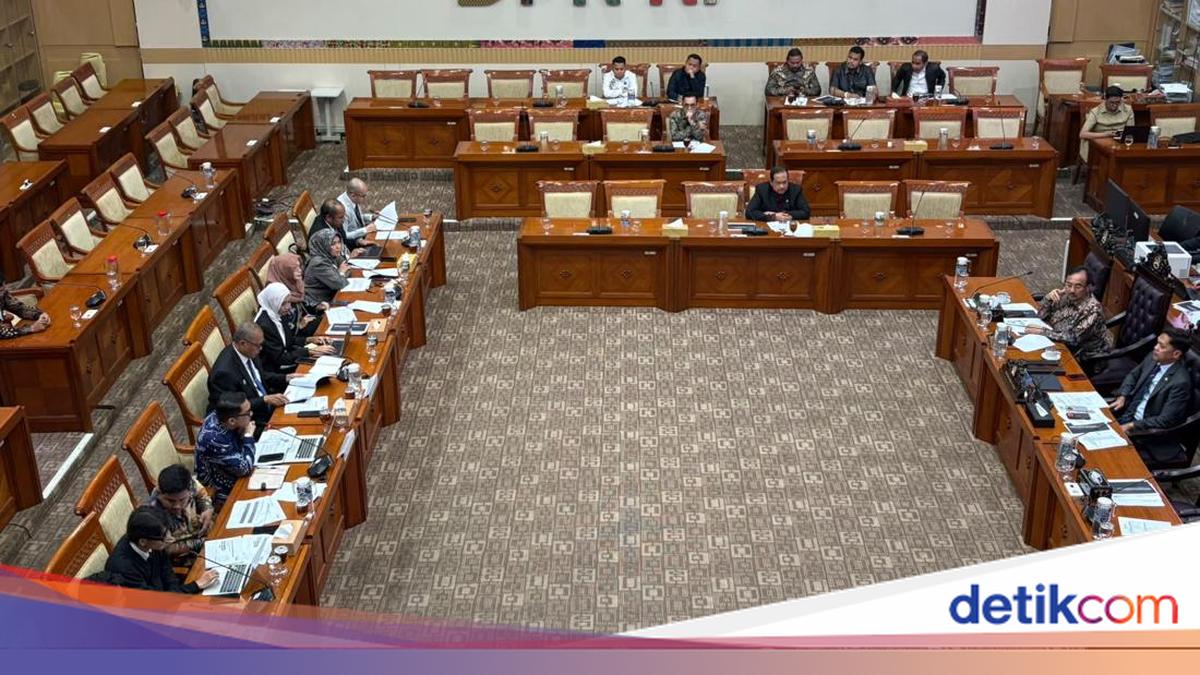
The Executive Director of Indonesia Millennials Center (IMC), Yerikho Alfredo Manurung, has shared his views regarding ‘illicit enrichment’—the unreasonable increase in the wealth of state officials—which is currently a major point of discussion in the Asset Forfeiture Bill. Yerikho believes that mechanisms for addressing illicit enrichment already exist through the LHKPN (Report on State Officials’ Wealth) and are regulated by existing laws.
Initially discussing the application of illicit enrichment in several developed nations, Yerikho noted that in Portugal, illicit enrichment is considered unconstitutional.
“The focus on illicit enrichment is very interesting; there are several doubts regarding its regulation. It has even been tested within the judicial system in Portugal, which declared that rules regarding illicit enrichment are unconstitutional because they conflict with constitutional law, human rights principles, and the presumption of innocence,” Yerikho stated during a meeting to discuss the Asset Forfeiture Bill at Commission III of the DPR in Jakarta on Wednesday (23/09/2026).
He further discussed the situations in Australia and the United Kingdom, noting that illicit enrichment is used merely as a supplementary measure.
“In several other countries, asset forfeiture is only regulated as a supplement to provisions regarding corruption and money laundering crimes. In Australia and the UK, these actions are regulated under the Crime Act in 2022,” he said.
Meanwhile, he views the mechanism for illicit enrichment in Indonesia as being similar to the LHKPN.
“The regulation regarding illegal wealth increases actually already exists within the constellation of Indonesian laws and regulations. Currently, there is an obligation for state officials or public officials to report their wealth through the LHKPN, which is regulated under Law Number 28 of 1999 concerning Corruption, Collusion, and Nepotism (KKN), and is managed by the KPK,” he explained.
However, he acknowledged that there are currently no criminal or administrative sanctions for those who violate the LHKPN requirements. “Violations of the LHKPN do not directly carry criminal or administrative sanctions, but they serve as an important pathway for the investigation or inquiry of corruption and money laundering crimes,” he added.
Furthermore, he argued that the criminalisation of illicit enrichment is already contained within existing laws, ranging from the Anti-Corruption Law to the Criminal Code (KUHP).
“In Indonesia, the criminalisation of illicit enrichment is actually contained in Articles 2 and 3 of the Anti-Corruption Law, which are also regulated in Articles 603 and 604 of the KUHP. Article 604 of the KUHAP, or Article 3 of the Anti-Corruption Law, regulates criminal sanctions for any person who aims to benefit themselves, others, or a corporation by abusing their authority, opportunities, or means, thereby harming state finances or the national economy,” he concluded.
Source: jawawa.id (https://jawawa.id/newsitem/imc-meeting-at-dpr-highlights-unconstitutionality-of-illicit-enrichment-in-portugal-1790143145)
Originally published by detikcom (https://news.detik.com/berita/d-8675305/rapat-di-dpr-imc-ungkit-illicit-enrichment-di-portugal-inkonstitusional), translated from Indonesian