
‘I'm afraid something worse than the Hemat service could emerge,’ says an Ojol driver after the programme was scrapped.
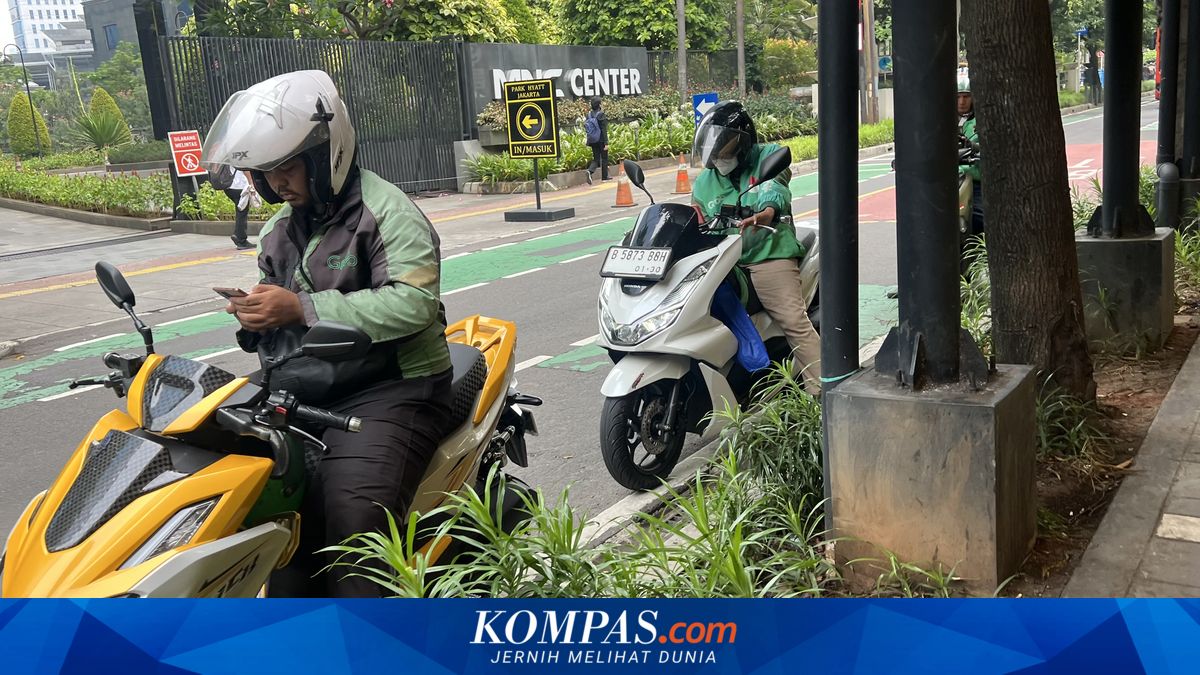
GoRide Hemat and GrabBike Hemat services were scrapped, a move that online taxi drivers have welcomed. Yet behind the support, some drivers say the platform operators risk introducing a new system that would be more burdensome for drivers.
‘For me, it’s good that Hemat is stopped. But I’m afraid something worse than Hemat could appear,’ said Abdul, 31, an ojol driver in Jakarta, when he was interviewed in the Jakpus area on Wednesday, 20 May 2026.
According to Abdul, drivers have long earned income that did not align with the fares paid by customers.
‘Customers might pay Rp 14,000, but drivers only receive Rp 10,400. That would be more burdensome,’ he said.
Besides earnings, Abdul highlighted the pickup distance for Hemat services, which he deemed too far. In rain or busy hours, such orders are often avoided by drivers because they take longer and consume more fuel.
‘Sometimes the pickup distance can be 2 to 5 kilometres. So it’s not that drivers don’t want to take orders, but the distance is just too far,’ he said.
Nevertheless, Abdul believes the scrapping of Hemat is unlikely to greatly affect the number of daily orders. He said there is currently a service such as a ‘nearby partner’ whose concept is almost identical to GoRide Hemat.
‘If GoRide Hemat is removed, the nearby partner service that’s only been operating for about two months could also be scrapped. But the ’argo goceng’ fare is likely to remain,’ he said.
Another driver, Andi, 35, said he doesn’t worry too much about the changes to the system implemented by the app company. To him, the most important thing is that orders remain plentiful each day.
‘I’ll just carry on. Whatever system they use, what’s important is that orders stay stable. If it’s quiet, it’s still hard; if it’s busy, Alhamdulillah,’ Andi said.