
Illusory Profits, New Architecture, and the Test of SOE Governance
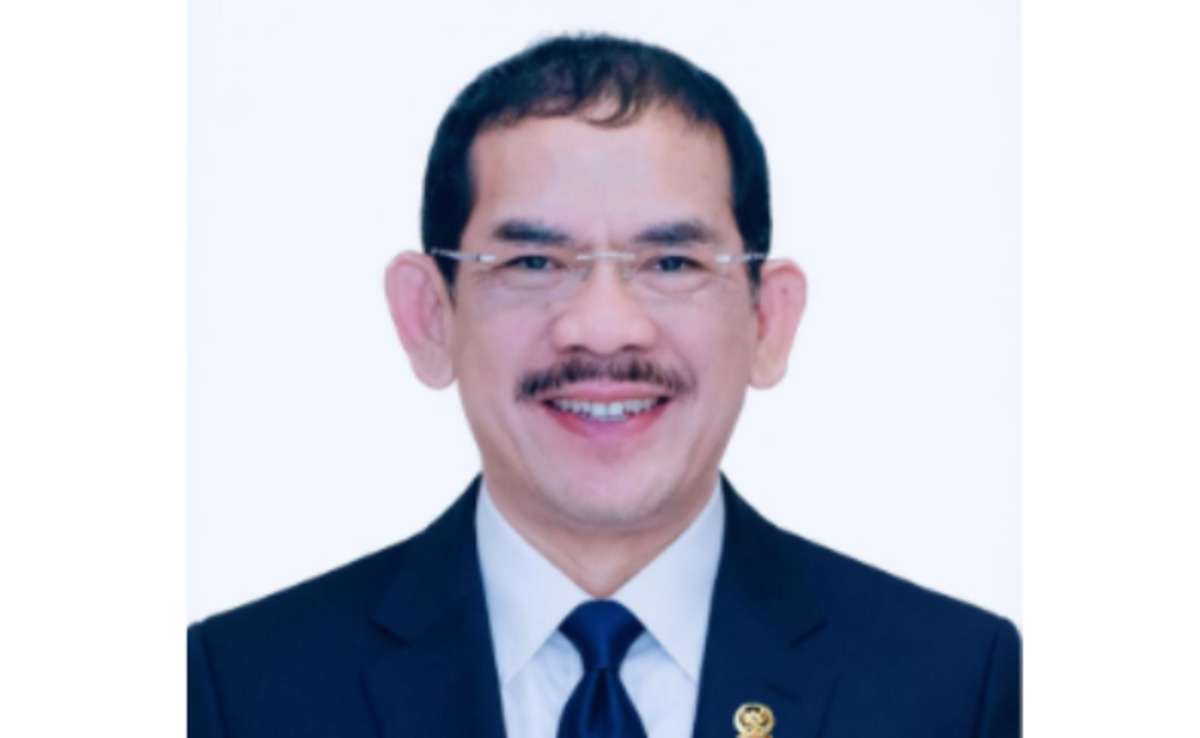
In his State Address at the Annual Session of the MPR and the Joint Session of the DPR-DPD RI on Friday (14/8), President Prabowo Subianto raised a matter that deserves collective reflection. The President highlighted the performance of several state-owned enterprises (SOEs) deemed unproductive, even mentioning entities that are in reality loss-making but record profits in their financial statements.
For me, that statement is not merely a criticism, but a reminder for all of us—including the DPR in carrying out its oversight function. The issue raised by the President touches on something far deeper than a discrepancy in accounting figures: it questions the way the state measures and supervises companies that live off public wealth. When profit on paper no longer aligns with the health of the company, the question shifts from simply whether an SOE is profitable to whether that profit genuinely arises from a productive business.
This question is relevant precisely because SOEs are not ordinary corporations. Embedded within them are state assets, public capital, and a constitutional mandate to provide the greatest possible benefit to the national economy. When an SOE appears healthy in its reports but is fragile on the ground, what is at stake is not only the credibility of management, but public trust in the state as a steward.
Profit never stands alone. It is merely the downstream result of a series of upstream factors: asset quality, cash flow strength, productivity, efficiency, corporate design, and the integrity of managers. Therefore, reading the health of an SOE solely from profit figures is as misleading as assessing a person’s health solely from body temperature.
The problem becomes complicated because healthy profit and polished profit often appear identical on the bottom line of a financial statement. Both show a surplus. Yet profit can arise from a productive business, but it can also stem from asset revaluation, deferral of loss recognition, or state-subsidised assignments. This is where ‘illusory profit’ begins—not always from an intention to manipulate, but from measures that are not honest enough to capture the true condition.
Governance scholarship has long warned of this symptom. A measure pursued too aggressively tends to cease being a good measure. When profit is treated as the sole indicator of success, management is driven to optimise the number, not the value. More fundamental issues—asset productivity, structural leanness, and decision quality—are sidelined. Profit, which should be a consequence of good management, becomes a target that must be met by any means.
It is within this frame that recent SOE achievements need to be read in a balanced manner. After correction, SOE profit for 2024 is said to stand at Rp186 trillion, before rising to Rp326 trillion in 2025, with dividend payments reaching Rp142.3 trillion. The President even stressed that these figures are not the result of number games. The achievement deserves appreciation. However, as part of the oversight function, our task is precisely to ensure that appreciation does not blunt caution. The size of the profit demands sharper questions about the quality of performance behind it.
The momentum for reform is in fact wide open. Through the revision of the SOE Law and the establishment of the Daya Anagata Nusantara Investment Management Agency, or Danantara, the state is reorganising the architecture of state-owned enterprise management. Danantara is mandated to consolidate management and optimise the value of SOE assets, while dividends no longer simply flow into the state treasury but are partly directed towards long-term investment capital. This is no small paradigm shift: from SOEs seen primarily as contributors to the state budget, to SOEs as instruments of value creation.
However, it is precisely here that caution becomes the stake. Every institutional restructuring opens two possibilities at once. It can become a path towards more professional governance free from tug-of-war interests, but it can also merely move old problems into a new house if the principles of transparency and accountability are not embedded from the outset. Consolidation of assets on a massive scale demands oversight of equal magnitude. The more centralised the management, the higher the demand for openness.
The revision of the law also affirms one thing that has long been a knot of fear within SOEs, namely the position of the business judgement rule. Directors who make business decisions carefully, in good faith, and free from conflicts of interest should not be treated as criminals merely because the decision later causes losses. This protection is important so that SOEs dare to make normal corporate decisions and are not paralysed by fear. However, that protection is not immunity. The line between an erroneous business decision and abuse of authority must be firmly maintained—and therein lies part of the oversight responsibility.
For the DPR, this new architecture presents real homework. When part of management authority shifts to an investment management agency, the Council’s oversight function must not become blurred. We have an interest in ensuring that structural changes are truly followed by improvements in how performance is measured, reported, and accounted for—not merely moving boxes around in an organisational chart. Institutional reform is only meaningful if it changes behaviour, not merely replaces nameplates.
We would certainly be mistaken to generalise that all SOEs are problematic. Many state companies are professionally managed and make real contributions to the economy. The problem lies with a portion of entities that are unproductive, overly bloated in structure, or present reports that do not fully reflect the real situation. The government has revealed the existence of…