
Illegal Gold Mining Surges in Jambi, Further Polluting the Batanghari River
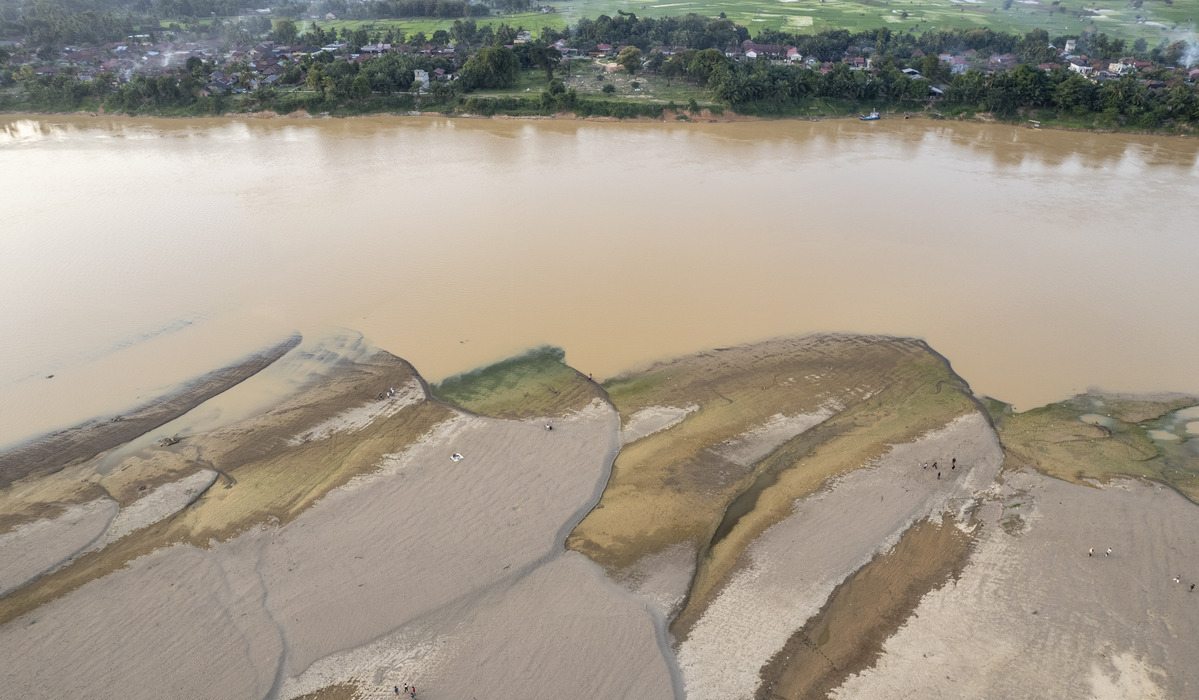
Unlicensed gold mining (PETI) in Tebo Regency, Jambi Province, is considered a major threat to aquatic biota in the Batanghari River. The primary danger of river pollution from these illegal gold mines stems from the use of suction dredges, locally known as dompeng, which directly vacuum the riverbed. Tedjo Sukmono, a Sumatran fish researcher and lecturer in Biology at the University of Jambi (Unja), stated that the practice of illegal gold mining with dompeng has a direct impact on the habitat of fish and other aquatic organisms. “Mining using suction machines or dompeng in the Batanghari River certainly greatly threatens fish habitats because it directly sucks up the riverbed,” Tedjo said in Jambi on Wednesday. According to Tedjo, the issue of illegal gold mining in the region is not new. He noted that the problem has been a public concern since 2012, and activity has continued to increase recently. Tedjo explained that illegal gold mining activities are not only carried out through underground digging patterns, known as needle holes. Some operators also use dompeng machines to dredge the bottom of the Batanghari River flow. The use of dompeng, he said, triggers massive agitation of river material. Sand, mud, and the natural living spaces of aquatic life are also lifted during the suction process. This condition degrades the quality of the aquatic habitat. For fish and aquatic biota, changes to the riverbed and increased turbidity can disrupt living spaces, movement, and feeding processes. Tedjo added that fish require a minimum dissolved oxygen level of four and a level of water clarity that allows sunlight to penetrate deep into the water. Based on research data from a student completed in June 2026, the decline in water clarity in the Batanghari River is considered alarming. Currently, sunlight is said to penetrate less than 15 centimetres into the water. In contrast, three years ago, sunlight was still able to penetrate the water up to 30 centimetres. Tedjo linked this decline to the increasingly dense turbidity of the water. Besides degrading habitat quality, illegal gold mining activities are also said to have caused a reduction in fish species and populations in the Batanghari River. From available data for the period 1986 to 1994, the Batanghari River recorded at least 300 fish species. However, based on research from three years ago, that number has dwindled to only about 135 species remaining. Tedjo assessed that this situation requires concrete action from parties with authority and power relations so that the species and fish populations in the river can be saved. “A social movement is needed to save the Batanghari River, along with the formulation of a joint and integrated management plan,” said Tedjo. Previously, the Indonesian Forum for the Environment (Walhi) Jambi also highlighted the rampant illegal gold mining activities along the Batanghari River, particularly in Sumay District, Tebo Regency. Walhi believes this activity can no longer be tolerated. Hundreds of illegal mining rafts have reportedly been observed operating in the area. This situation reinforces the call for integrated management of the Batanghari River. In addition to law enforcement against illegal mining activities, efforts to save the river also require habitat restoration and the involvement of many parties.