
IKN, Family, and Work Flexibility
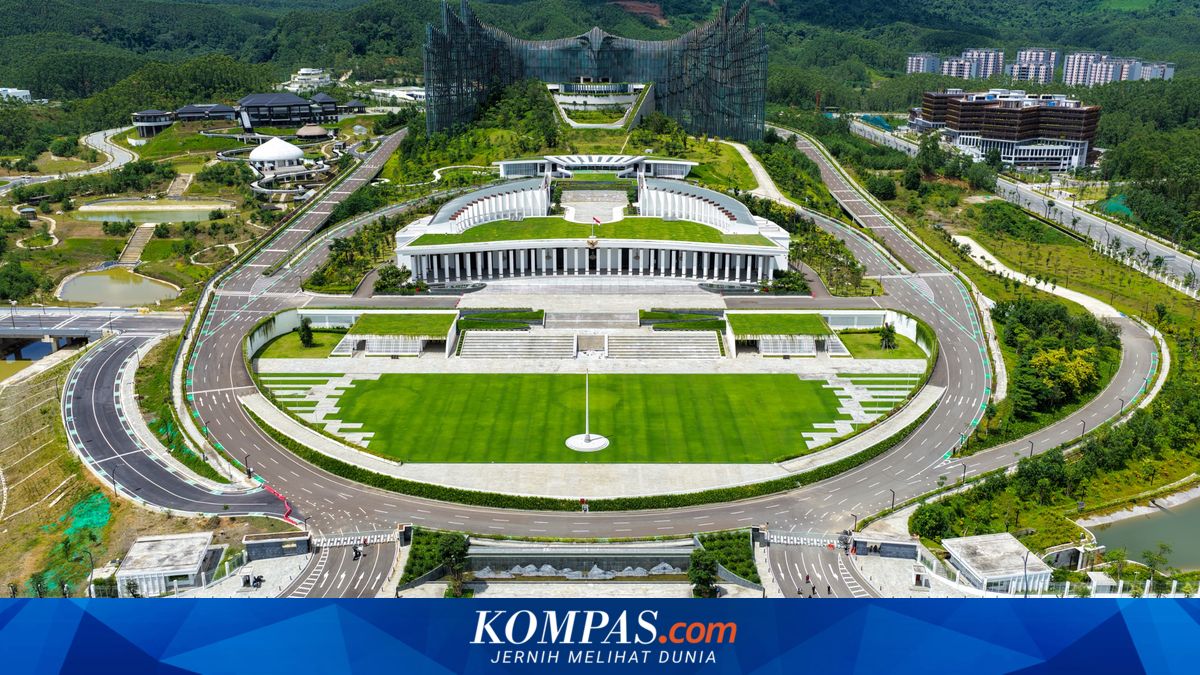
The Constitutional Court (MK) Decision No. 71/PUU-XXIV/2026 seems to bring a breath of fresh air amid the anxiety of thousands of civil servants (ASN) counting down the days to the move to the Nusantara Capital (IKN). With the certainty that Jakarta will retain its status as the capital until a Presidential Decree (Keppres) is issued, the rigid pressure for physical relocation now has room to breathe. This moment is not merely an administrative delay, but a golden opportunity for the government to review its relocation strategy with a more humane and adaptive approach. The IKN issue is not just about moving desks or building grand structures in the jungles of Kalimantan. Behind the uniforms of public servants lies the complexity of life that cannot be simply severed. There are children in the midst of crucial school stages, spouses with careers in Jakarta, and elderly medical care arrangements established in the current capital. Forcing them to move hastily without mature social infrastructure readiness at the new location will only create massive demoralisation. Work readiness must be an absolute prerequisite that cannot be compromised with mere nationalist rhetoric. IKN requires a holistic ecosystem, from high-speed internet stability and reliable transportation systems to fully ready-to-use office facilities. We cannot ignore the concerns of thousands of ASN in the initial phase regarding the availability of quality housing and schools. Without verifying the maturity level per ministry before the relocation wave begins, this relocation risks becoming an exile project rather than a brilliant bureaucratic transformation. This is where regulatory creativity is tested. The government already has sufficient legal capital to soften the clash between state duties and family stability. Government Regulation (PP) No. 11 of 2024 on Working Days and Hours provides an intriguing legal loophole to explore. This regulation allows for flexible working hour adjustments based on organisational needs and the utilisation of information technology.