
IHSG Surges: Is Foreign Capital Fleeing Korea and Taiwan for Indonesian Equities?
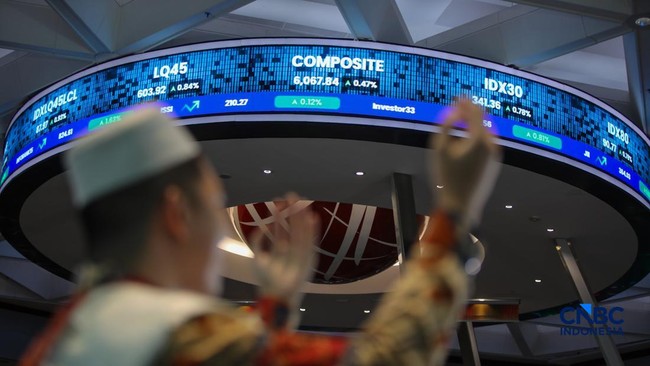
The Indonesian stock market is showing signs of a turnaround after enduring heavy pressure earlier in the year. The Jakarta Composite Index (IHSG) rose to 6,319.85 by the close of the first trading session on Tuesday (21/7/2026). Compared to its position of 5,643.19 at the end of June, the IHSG has surged 11.99% during July. This rally has lifted the index away from its lows and back above the 6,300 level. The strengthening is particularly notable as it occurs while AI-related stocks in South Korea and Taiwan are experiencing sharp corrections, reinforcing speculation of a global capital rotation towards previously lagging markets with cheaper valuations and lighter investor positioning. Foreign fund flow has turned positive, with net buys totalling Rp1.96 trillion over the three trading days to 20 July, erasing nearly half of the Rp3.97 trillion net sell recorded in the first half of the month. Trading activity has also surged, with average daily transaction value jumping 38.8% to Rp15.59 trillion, indicating a shift towards large-cap stocks. The rally has been broad-based, with 399 stocks advancing and ten of eleven sectors closing in positive territory, pushing total market capitalisation to approximately Rp10,860 trillion. The rotation is supported by global dynamics, as South Korea’s market fell around 23% and Taiwan’s around 8% during July, while the IHSG gained over 10%. Indonesia’s attractive valuation, with a forward price-to-earnings ratio of 9.4 times compared to a ten-year average of 14.8 times, is a key draw. S&P’s affirmation of Indonesia’s BBB/A- rating with a stable outlook has also helped mitigate risk perception. However, the rupiah has only strengthened slightly to Rp17,890 per US dollar, and the 10-year government bond yield has risen to 7.297%, indicating that the equity rebound is primarily valuation-driven rather than a comprehensive shift in risk perception across all Indonesian asset classes.