
IHSG slides to 6,248 as Finance Minister Purbaya cites market concerns over export-focused state-owned enterprises
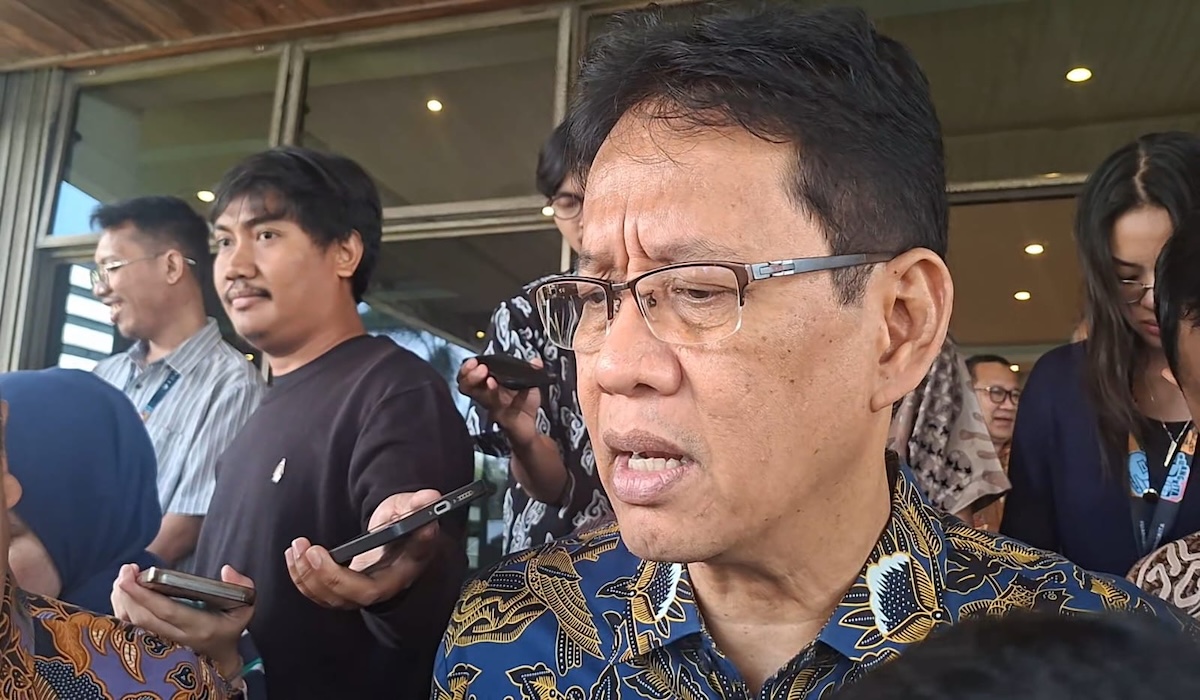
The IHSG fell 70 points, or 1.11%, at the opening of Thursday trading (21 May), to a level of 6,248. The decline continued the previous day’s move, on Wednesday (20 May), when the index closed down 0.82% at 6,318.50. Finance Minister Purbaya Yudhi Sadewa said this correction was a rational market reaction to the uncertainty surrounding the new policy. ‘Perhaps they have not yet understood the actual impact. When there is uncertainty, fear leads to selling. But once they understand the true impact, it should rise,’ Purbaya said after a meeting at the Coordinating Ministry for Economic Affairs, Jakarta, on Thursday (21 May). He explained that the export-focused BUMN is intended to close the practice of under invoicing that has long harmed the state and businesses. Under the new system, the revenues of listed companies are expected to reflect more accurately without funds being held overseas by the owners. ‘So it should double the upside for those listed on the exchange that report them. So this should gradually lift valuations of the listed companies on the exchange. It will certainly rise significantly over time,’ he added. In line with the minister, Pandu Sjahrir, Chief Investment Officer (CIO) of Danantara Indonesia, viewed the weakness as investors seeking certainty. He believes domestic capital markets will recover soon. ‘Of course with the IHSG, they need to seek certainty as well; they want to know the outcome. God willing, it will be good, because we will watch the market; the market is important. Optimistic for a quick improvement,’ said Pandu. Rosan Roeslani, Chief Executive Officer (CEO) of Danantara Indonesia, assured that the government will continue to honour existing contracts related to the export of natural resource-based commodities. Governance and financial performance pressures remain in focus for state-owned enterprises, particularly in the telecommunications sector. The transformation of BUMN, especially blue-chip groups such as Himbara, Pertamina, and Mind Id, into the engine of Indonesia’s economy, was cited as contributing 5.61% to GDP growth in Q1 2026. The 2025 AGM for Wijaya Karya (WIKA) reappointed Prof. Harris Arthur Hedar as independent commissioner and announced a new board of directors. The formation of the Dayan Anagata Nusantara Investment Management Agency (BPI Danantara) is not merely a change of nomenclature in the government apparatus.