
IHSG Plunges as OJK Highlights Investment Risks for Life Insurers
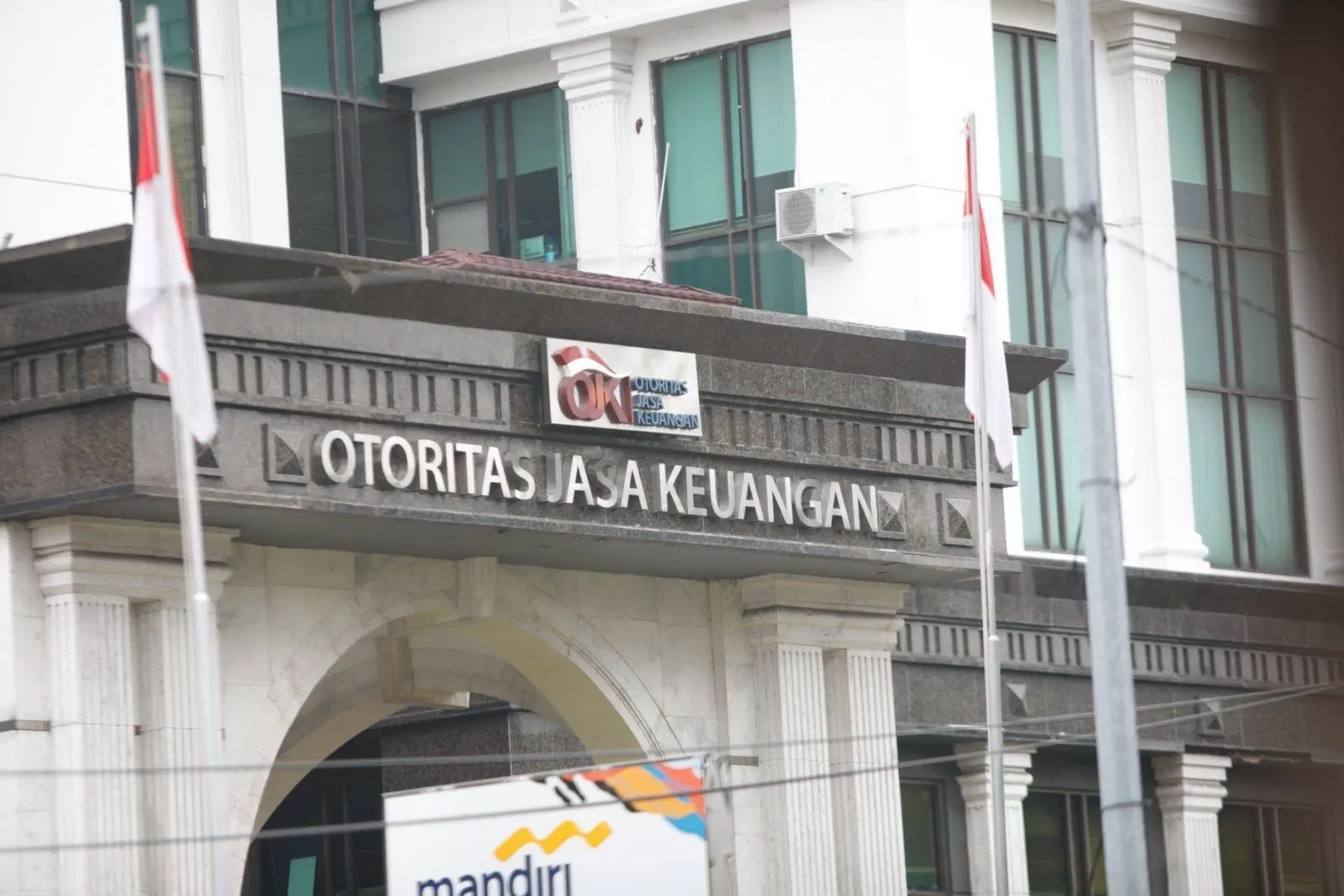
The Financial Services Authority (OJK), together with the Indonesian Insurance Council (DAI), has called on insurance companies to apply stricter prudential principles and strengthen investment portfolio risk management.
The appeal follows increased volatility in the domestic capital market amid discussion of a possible change to Indonesia’s classification by Morgan Stanley Capital International (MSCI). MSCI recently announced a consultation on downgrading Indonesia from emerging-market to standalone-market status, the lowest classification, below frontier-market status.
The announcement prompted a sharp correction in the Jakarta Composite Index (IHSG) on 19 October, when it fell to 4,923, its lowest level in more than five years.
The MSCI issue unsettled financial markets, with the IHSG falling by as much as 16.8 per cent and dropping below 5,000 in trading on 19 October 2026.
In response to the market turmoil, Sumarjono, head of the OJK’s Department of Insurance and Supporting Services Supervision, said the regulator had quickly conducted stress tests to assess the impact on the insurance industry.
The OJK’s simulations found that market volatility could have a considerable effect on the life insurance sector, given its relatively large investments in equities. General insurers, meanwhile, are expected to be relatively safe and less affected because they have a smaller share of their investments in shares.
Equity investment risks for insurance returns
The impact of capital-market turmoil on the insurance industry is not new. In August 2024, the OJK reported that life insurers’ investment returns had fallen as the IHSG weakened. At the time, life insurance investment returns were down 29.99 per cent year on year, to Rp11.46 trillion in June 2024.
The OJK said the decline was mainly recorded in investment-linked insurance products (PAYDI), particularly those exposed to shares and mutual funds. During that period, life insurers allocated 26 per cent of their total investments to shares and 14 per cent to mutual funds.
That experience showed how changes in capital-market asset prices can affect insurers’ investment returns, particularly at companies with significant equity exposure. The impact varies between companies, however, depending on portfolio composition, investment strategies and the liabilities they must meet.
The OJK also stressed the importance of liability-driven investment strategies to ensure assets remain adequate and policyholder benefits can be paid. This principle is particularly relevant in volatile markets, when insurers must balance potential returns against their obligations to customers.
In light of the situation, Sumarjono urged all insurers not to rely solely on the regulator’s simulations, but to carry out their own stress tests through their respective investment committees.
“We are asking the industry, through each company’s investment committee, to keep monitoring asset quality, capital adequacy and the ability to meet obligations to policyholders. Continue to uphold prudential principles, strengthen risk management and take measured action where necessary,” Sumarjono said at the 20th Insurance Day commemoration at Graha AAJI in Jakarta on Tuesday, 20 October 2026.
Echoing the OJK, DAI chairman Yulius Bhayangkara urged council members to remain disciplined in applying prudential principles. He said that although shares offer institutional investors the prospect of high returns, their volatility requires careful risk calculations.
Yulius said price shocks on the stock exchange stemming from the MSCI issue could be mitigated if companies used appropriate hedging mechanisms. The decision, however, rests with each company’s management.
The most important consideration, he continued, is sound asset-liability management (ALM). Insurers must not neglect liquidity in pursuit of high returns in the equity market, as their primary responsibility is to pay customer claims on time.
“An insurer’s most important task is to ensure asset-liability management. When an obligation falls due and someone asks for a claim to be paid, we must have the liquidity available. We must not invest aggressively in shares and then have no money when a claim comes in. Given the current market volatility, reckless behaviour would be very dangerous, because most of the invested funds are policyholders’ premium money,” Yulius said.
He added that although the industry supports the national investment drive, in line with the government’s direction to invest funds domestically, investment decisions must remain rational and measured. The fundamental requirement is to ensure cash is available whenever a claim arises.
Source: jawawa.id (https://jawawa.id/newsitem/ihsg-plunges-as-ojk-highlights-investment-risks-for-life-insurers-1792500626)
Originally published by kabarbursa.com (https://www.kabarbursa.com/makro/ihsg-anjlok-ojk-soroti-risiko-investasi-asuransi-jiwa), translated from Indonesian