
IHSG Plunges 1.75% to 6,204 as Middle East Conflict and New US Tariffs Rattle Market
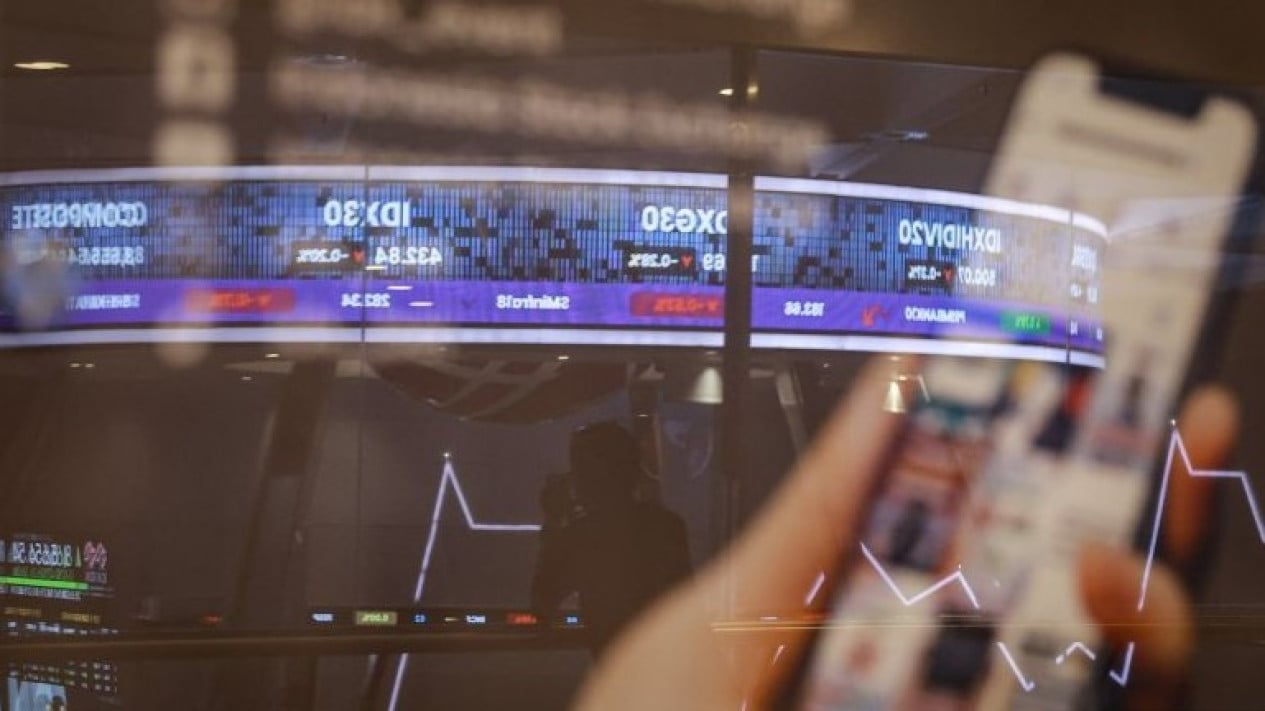
The Indonesian Composite Index (IHSG) fell sharply by 1.75 percent to 6,204 during the first trading session on Friday, pressured by a combination of global sentiment that weighed on investor appetite for risky assets. The index had been moving in negative territory since the opening bell.
According to analysis from Pilarmas Investindo Sekuritas, the most dominant factors were the escalating conflict in the Middle East, which drove a surge in global oil prices, and the new import tariff policy of the United States. The weakening of the IHSG was in line with the majority of Asian stock markets, which also moved negatively throughout the first session.
The Middle East conflict pushed Brent crude oil prices back above the US$100 per barrel mark. The price spike was triggered by increased geopolitical tensions after Houthi forces reportedly attacked a Saudi Arabian oil tanker in the Red Sea. The situation intensified following a statement by US President Donald Trump, who threatened to destroy Iranian infrastructure if further attacks occurred on ships transiting the Strait of Hormuz. This situation has raised concerns about potential disruptions to global energy supplies.
Pilarmas Investindo Sekuritas explained that the surge in energy prices could potentially increase inflationary pressures in various countries, thereby reinforcing expectations that global interest rates will remain higher for longer. ‘The spike in energy prices increases inflation risks and strengthens expectations that global interest rates will remain high for longer, thus reducing investor interest in risky assets, including equities,’ the firm wrote in its research note.
Adding to the market pressure, the US government has begun implementing new import tariffs on approximately 60 trading partner countries. The tariffs, ranging from 10 percent to 12.5 percent, are considered to have the potential to disrupt global supply chains and slow world economic growth. Pilarmas assessed that this policy increases the risk of stagflation, a condition where economic growth slows while inflation remains high.