
IHSG Edges Down 0.12% to 6,343
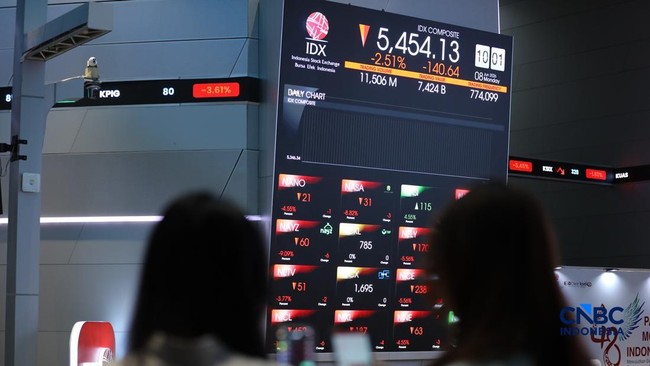
The Jakarta Composite Index (IHSG) ended slightly weaker on Thursday (6/8/2026). According to data from the Indonesia Stock Exchange (BEI), the IHSG closed at 6,343.71, down 0.12% from the previous session. During the first session, the index moved in a lower range, touching 6,324 before reaching a high of 6,388. Transaction value was relatively busy, reaching Rp 18.18 trillion, with a trading volume of 54.91 billion shares across 2.67 million transactions. A total of 265 stocks advanced, 337 declined, and 192 were unchanged. The utilities, industrial, and primary consumer sectors posted the strongest gains, while the healthcare, technology, property, and financial sectors recorded corrections. The IHSG’s movement occurred against a backdrop of varied performance in Asia-Pacific markets. Japan’s Nikkei 225 opened around 0.5% lower, while the Topix edged into positive territory. South Korea’s Kospi fell about 1.8%, whereas the Kosdaq saw a slight gain. Australia’s benchmark S&P/ASX 200 rose around 0.1%. Market sentiment was generally positive, supported by a combination of domestic and global catalysts. Domestically, optimism was fuelled by Indonesia’s economic growth of 5.29% in the second quarter of 2026, surpassing the market consensus of 5.12%. Statistics Indonesia (BPS) also reported that the poverty rate fell to its lowest level since 1999 and the unemployment rate hit its lowest point in over three decades. The government added economic stimulus for the second half of 2026, including social assistance, transport incentives, the placement of Rp 70 trillion in State General Fund (SAL) at state-owned banks (Himbara) to strengthen banking liquidity, and a postponement of e-commerce tax collection to maintain public purchasing power. Externally, hopes of easing US-Iran tensions continued to support risk sentiment after negotiations on reopening the Strait of Hormuz reportedly made progress. This outlook kept oil prices in a weakening trend, potentially easing global inflationary pressures. Meanwhile, weaker-than-expected US labour data strengthened the case for monetary policy easing by the Federal Reserve, even though US service sector activity remained in expansionary territory. This combination of factors is expected to continue supporting risk assets, including the IHSG and the rupiah.