
If Only the People Could Dissolve Political Parties
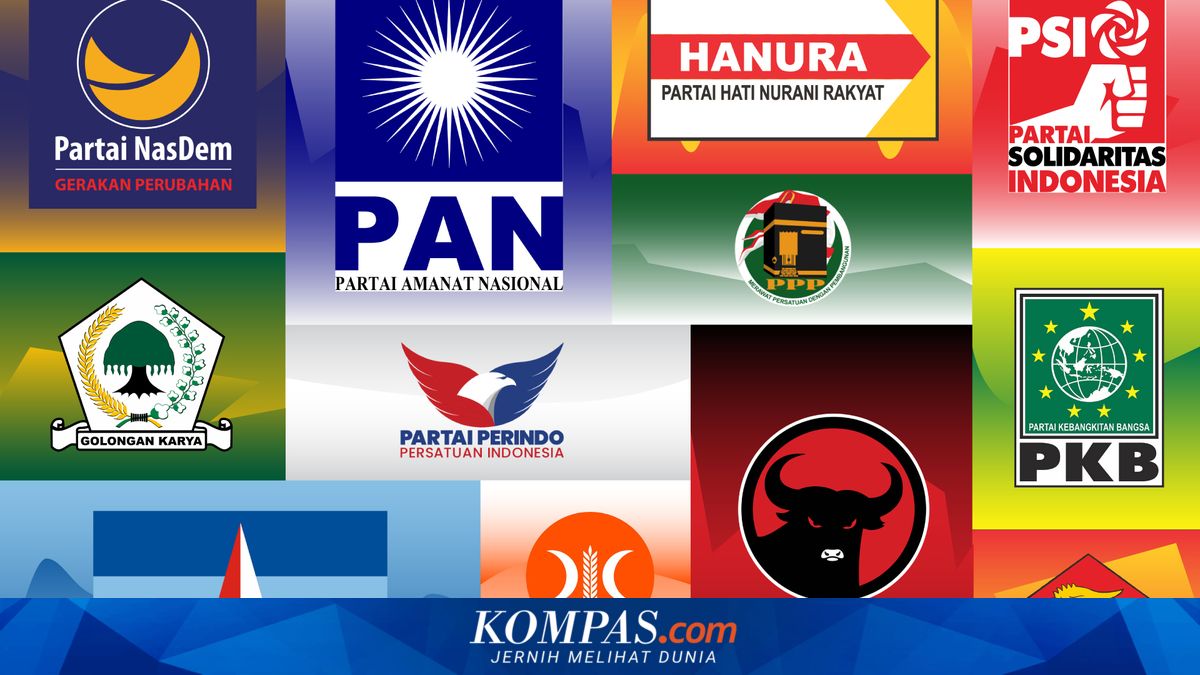
In constitutional law studies, political parties are often regarded as an inseparable element of democracy (Labolo & Ilham, 2017). However, the relationship between the people as the holders of sovereignty and political parties frequently experiences distortion. In Indonesia, Article 1 paragraph (2) of the 1945 Constitution affirms that sovereignty lies in the hands of the people. Yet, regarding the dissolution of political parties, that authority rests exclusively with the state through the Constitutional Court (MK). An intriguing discussion arises: if the law were to provide space for the people to initiate the dissolution of political parties, what would the legal arrangements be? By valid definition, a political party is a public legal entity with a strategic function as a means of representing citizens’ interests. Based on Law Number 2 of 2011 on Political Parties, parties hold special privileges to participate in elections. However, these privileges should correspond to their constitutional obligations. Currently, the mechanism for dissolving parties in Indonesia is top-down. According to Article 68 of the Constitutional Court Law, only the Government has legal standing to petition the MK for a party’s dissolution. However, as discussed by Yusril Ihza Mahendra in a lecture at UI Salemba on Wednesday (22/4/2026), which the author attended, he stated that the dissolution of parties by the government through the MK has never once occurred in our constitutional history. This state monopoly ultimately creates what is termed a Constitutional Accountability Gap. The people are required to pay taxes to fund party operations through the state budget, yet legally, they have no power to terminate the contract with parties proven to have systematically plundered state finances. At present, the grounds for dissolution are very limited to ideological aspects contrary to Pancasila, while functional integrity issues seem to escape the reach of dissolution sanctions. As a comparison, the dissolution of the Move Forward Party (MFP) in Thailand in August 2024 provides an important lesson.