
If Indonesia Falls to Frontier Market, Who Stands to Lose the Most?
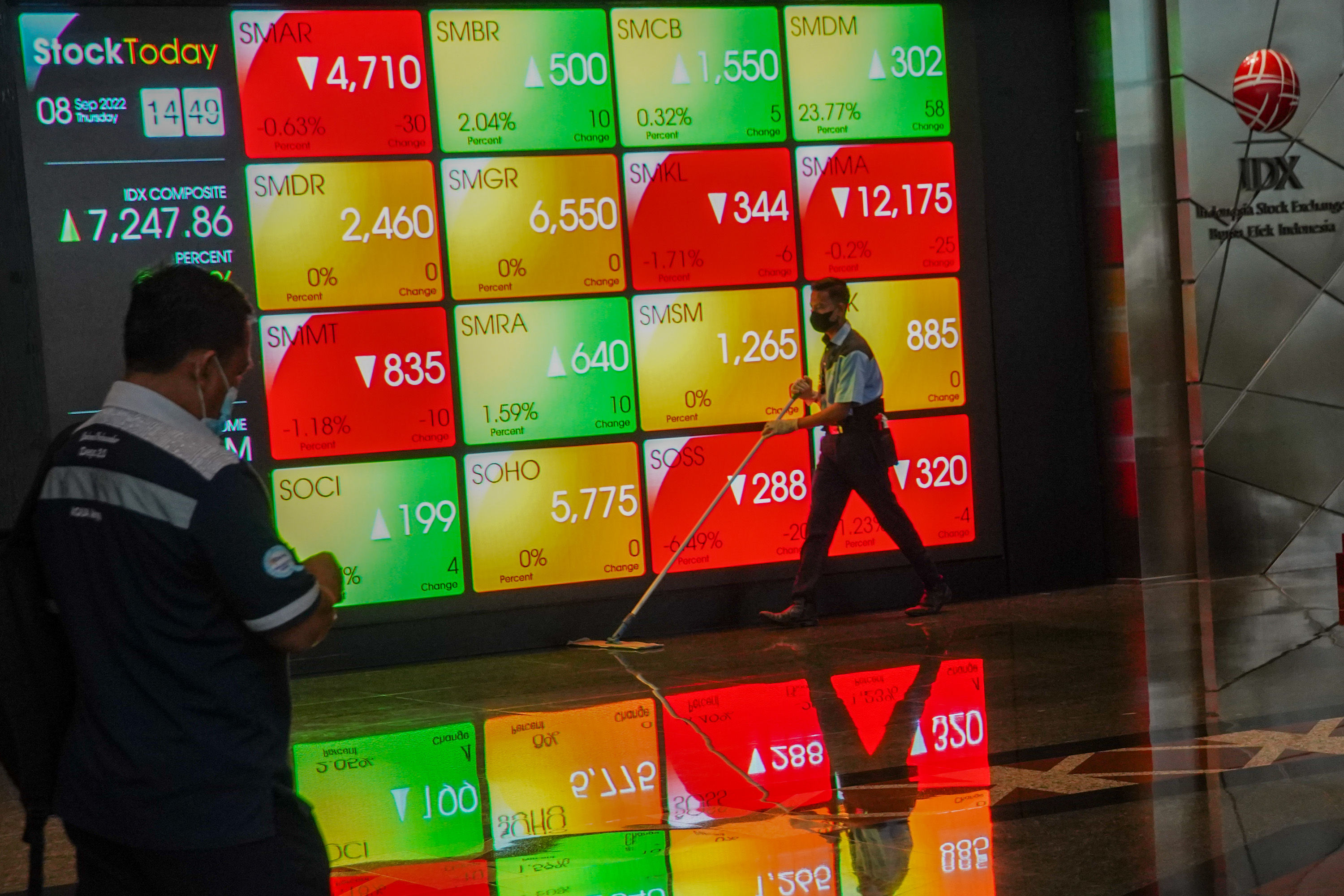
The threat of Indonesia being downgraded from Emerging Market to Frontier Market status by MSCI continues to concern market participants. Although MSCI has granted an extension until November 2026 for Indonesia to demonstrate the effectiveness of its capital market reforms, the risk of a downgrade has not entirely disappeared. The question now is, who stands to lose the most if Indonesia loses the Emerging Market status it has held since 2010? The answer is not simple; the impact will be felt by almost all market participants, from foreign investors and listed companies to pension funds and retail investors, albeit to varying degrees.
Foreign investors are potentially the most vulnerable to the direct impact of an MSCI downgrade. Based on data from the Indonesia Stock Exchange, foreign investors currently control approximately 37% of share ownership capitalisation on the IDX. If Indonesia exits the Emerging Market category, a number of global investment funds with specific mandates to invest only in developing countries would be forced to sell their Indonesian equity holdings. This selling pressure would not be due to deteriorating corporate performance but rather internal investment rules. Consequently, the market could face a wave of massive sell-offs, with some projections estimating capital outflows reaching billions of US dollars if the reclassification occurs. This pressure is already visible; since MSCI first voiced concerns about the Indonesian capital market in early 2026, foreign investors have recorded substantial net sales of shares, and the Jakarta Composite Index has experienced a sharp correction throughout the year.
Beyond foreign investors, listed companies are also highly susceptible to significant impacts. A market status downgrade is typically followed by an increased perception of country risk. The consequence is a potential rise in corporate funding costs, particularly for companies with foreign currency-denominated debt or those planning to seek new funding from international markets. Declining market liquidity can also make it difficult for share prices to optimally reflect a company’s fundamental performance. In such conditions, corporate valuations risk being depressed even if operational performance continues to grow. Furthermore, companies planning initial public offerings could see reduced interest from foreign investors if Indonesia loses its Emerging Market status, making the process of raising funds through the capital market more challenging. For companies preparing for business expansion, this situation could slow growth plans and increase the cost of capital.
Global pension funds are also likely to reduce their exposure. Major international pension funds such as Norway’s Government Pension Fund Global, the California Public Employees’ Retirement System in the United States, and the Canada Pension Plan Investment Board implement strict investment policies based on international market classifications. When a country is downgraded to Frontier Market status, some institutions may limit or even halt new investments in that country as part of their risk management and internal policy compliance. In contrast, domestic pension funds would likely experience a more limited impact, as the bulk of their investments are already focused on local financial instruments.
Retail investors may not be the first to feel the direct impact, but they still face consequences from the ensuing market turmoil. When foreign investors engage in large-scale sell-offs, share prices are likely to come under pressure, reducing the value of individual investors’ portfolios. Moreover, market volatility typically increases during periods of heightened uncertainty, making investment decisions more difficult for retail investors. Indirect impacts could also arise if companies face business pressures from higher funding costs or difficulties in obtaining new capital. In the long term, these conditions could affect corporate earnings growth and the ability to pay dividends.
Emerging Market status is not merely a label in a global index. The classification determines a country’s access to large-scale international capital flows. Countries classified as Emerging Markets generally enjoy broader access to global institutional investors, higher market liquidity, and relatively lower funding costs. Conversely, countries in the Frontier Market category typically have a narrower investor base, lower liquidity, and higher capital costs. Therefore, MSCI’s decision carries consequences that extend far beyond mere stock index movements; it can affect Indonesia’s overall investment attractiveness. If Indonesia is indeed downgraded to Frontier Market status, no party truly benefits. Foreign investors could face losses from forced selling and loss of access to the Indonesian market, while listed companies confront the risk of rising capital costs and declining liquidity.
Source: jawawa.id (https://jawawa.id/newsitem/if-indonesia-falls-to-frontier-market-who-stands-to-lose-the-most-1782337830)
Originally published by trenasia.id (https://www.trenasia.id/tren-pasar/jika-indonesia-turun-ke-frontier-market-siapa-yang-paling-dirugikan), translated from Indonesian