
IEU-CEPA could reduce tariff gap between Indonesian and Vietnamese labour-intensive products
The implementation of the Indonesia-European Union Comprehensive Economic Partnership Agreement (IEU-CEPA) is considered capable of narrowing the tariff gap for Indonesian labour-intensive products compared to Vietnam in the European market, while simultaneously strengthening Indonesia’s opportunities to attract investment relocation.
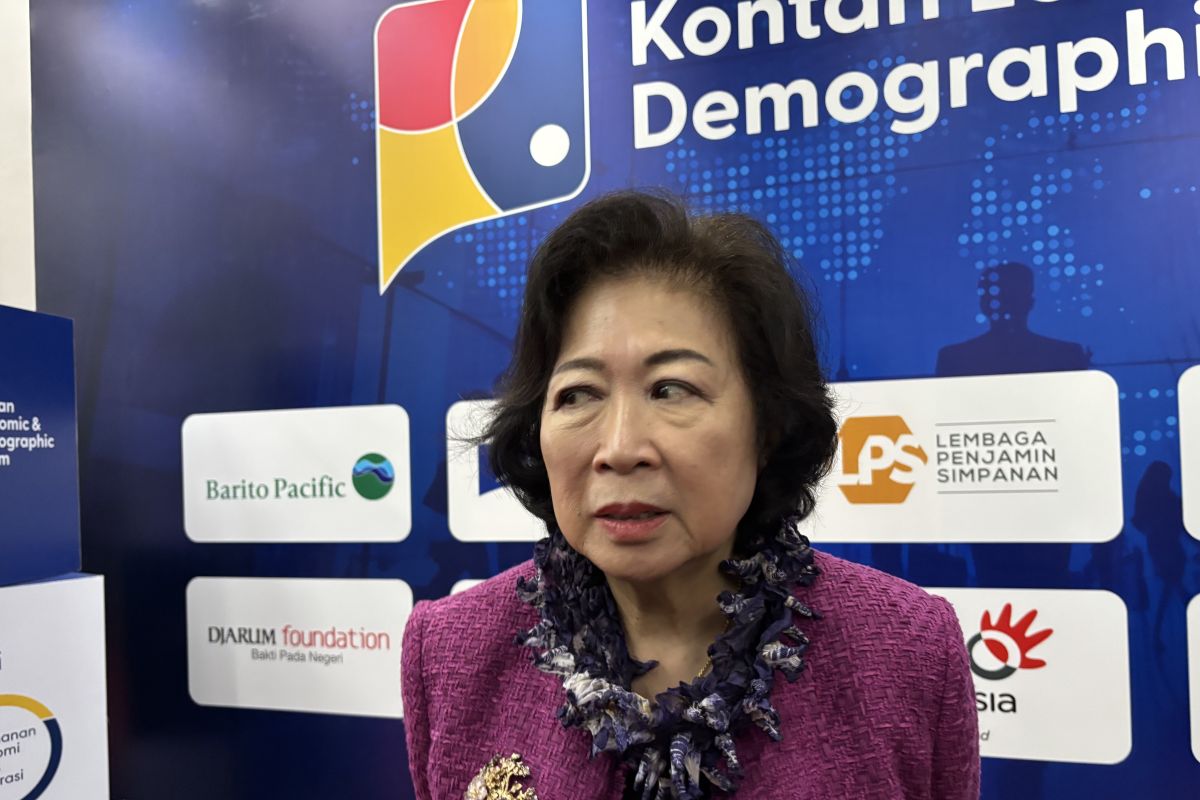
Speaking at the Kontan Economic & Demographic Forum in Jakarta on Tuesday, the Vice Chairperson of the National Economic Council (DEN), Mari Elka Pangarrum, stated that the current tariffs on several Indonesian labour-intensive products entering Europe still have a difference of approximately 10 per cent compared to Vietnam.
If IEU-CEPA comes into effect as hoped next year, this gap could potentially disappear, placing Indonesia on equal footing with Vietnam.
“Currently, our tariffs to Europe, for example, for labour-intensive products, have a difference of 10 per cent. That is quite significant, isn’t it? Next year, hopefully, that 10 per cent will no longer exist. Thus, we will be equal to Vietnam,” she said.
According to her, the equalisation of tariff access also opens opportunities for Indonesia to attract investment relocation across various labour-intensive sectors.
However, this opportunity needs to be supported by the government’s ability to facilitate investors so that they can realise investments quickly and clearly.
She assessed that the issue of coordination remains one of Indonesia’s challenges in seizing this opportunity.
Therefore, Mari noted, the government needs to determine the focus sectors and strengthen coordination between the central government, regional governments, and relevant ministries.
She cited that labour-intensive investments currently flowing into Central Java and East Java need to be continuously facilitated to ensure the investment process proceeds more smoothly.
In addition to market access, she noted that the certainty of the investment climate is also a crucial factor amidst international competition to attract capital. Investors will choose countries and sectors deemed most attractive, so Indonesia needs to provide clear signals regarding the direction of its investment policies.
“The direction of policy and investment, or whether we are truly welcoming investors to enter. How we maintain the business and investment climate so that it indeed encourages both domestic and foreign private sectors to continue investing,” she concluded.
Source: jawawa.id (https://jawawa.id/newsitem/ieu-cepa-could-reduce-tariff-gap-between-indonesian-and-vietnamese-labour-intensive-products-1790676153)
Originally published by Antara (Indonesian) (https://www.antaranews.com/berita/5763079/ieu-cepa-bisa-pangkas-gap-tarif-produk-padat-karya-ri-vietnam), translated from Indonesian