
IESR Warns of Extreme Weather Threat to National Electricity Supply
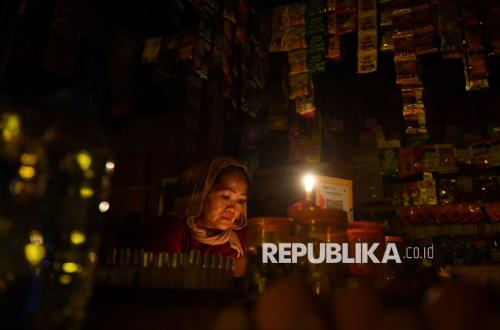
The resilience of the national electricity system needs continuous strengthening to cope with the increasing risks of extreme weather and the impacts of climate change. Grid reinforcement, system modernisation, and the acceleration of renewable energy integration are considered crucial steps to maintain supply reliability across various regions.
Deon Arinaldo, Director of the Energy System Transformation Programme at the Institute for Essential Services Reform (IESR), stated that electricity disruptions occurring in several areas, including Sumatra, should serve as a momentum to strengthen the national electricity system’s resilience.
“The blackout in Sumatra must be read as a signal that Indonesia’s electricity system requires grid reform. Extreme weather and the climate crisis can disrupt transmission, distribution, and generation. If the system is not designed to be more robust, a disruption at one point can cause wider impacts,” Deon said in a statement on Wednesday (8/7/2026).
According to Deon, future electricity systems cannot be designed merely to handle normal operational conditions. Planning must also consider the increasing frequency of extreme weather, changes in electricity consumption patterns, and the growing share of variable renewable energy.
IESR also highlighted the potential impact of the El Niño phenomenon on the electricity sector. Based on monitoring by the Meteorology, Climatology, and Geophysics Agency (BMKG), El Niño is expected to enter a strong category and potentially peak between September and October.
This condition could reduce water discharge in several reservoirs that serve as sources for hydroelectric power plants (PLTA). Experience during the El Niño events of 2015 and 2023 showed that reduced water supply affected electricity production from several hydropower plants.
Therefore, Deon believes the government needs to incorporate various risk scenarios into national electricity system planning, including the possibility of declining hydropower production, generation disruptions, and simultaneous increases in electricity demand.
He noted that system strengthening can be achieved through electricity grid modernisation, regulatory updates for the grid, development of distributed renewable energy sources, and the utilisation of technologies such as smart grids, batteries, and ancillary services.
“Indonesia needs to promote an increase in evenly distributed renewable energy generation, the utilisation of distributed energy resources like electric vehicle batteries, and electricity system flexibility so that these assets can support system reliability,” Deon said.
Additionally, IESR proposed the formulation of a long-term electricity grid development strategy that incorporates climate change risk projections, including drought, floods, and landslides, as part of the system reliability indicators.
Meanwhile, several civil society organisations in Kalimantan are also pushing for an evaluation of the electricity system following rolling blackouts in several areas. They hope this evaluation can serve as a basis for strengthening generation, transmission, distribution, and governance in the electricity sector.
Janang Firman, Director of WALHI Central Kalimantan, said an open evaluation is necessary so that the causes of disruptions can be identified and used as a basis for formulating corrective measures.
“We urge authorised agencies to conduct an open disclosure to determine the cause of the electricity crisis in Kalimantan. This can be done through an independent audit of the generation, transmission, distribution, and electricity governance systems, and ensure the audit results are accessible to the public as a form of state accountability,” Janang said.
Previously, state electricity company PT PLN explained that the blackouts in several parts of Kalimantan were triggered by technical disruptions at power plants and transmission networks. Civil society organisations believe the evaluation results of these disruptions can serve as a basis for improving electricity supply reliability, particularly in energy-producing regions.
According to them, strengthening the electricity system must be carried out gradually by improving infrastructure reliability, diversifying energy sources, and developing renewable energy to ensure a more reliable long-term electricity supply.
Source: jawawa.id (https://jawawa.id/newsitem/iesr-warns-of-extreme-weather-threat-to-national-electricity-supply-1783569124)
Originally published by Republika (https://esgnow.republika.co.id/berita/thvz5u416/iesr-ingatkan-ancaman-cuaca-ekstrem-terhadap-pasokan-listrik-nasional), translated from Indonesian