
IESR: Solar Power Plant Development a Strategic Step for Energy Independence
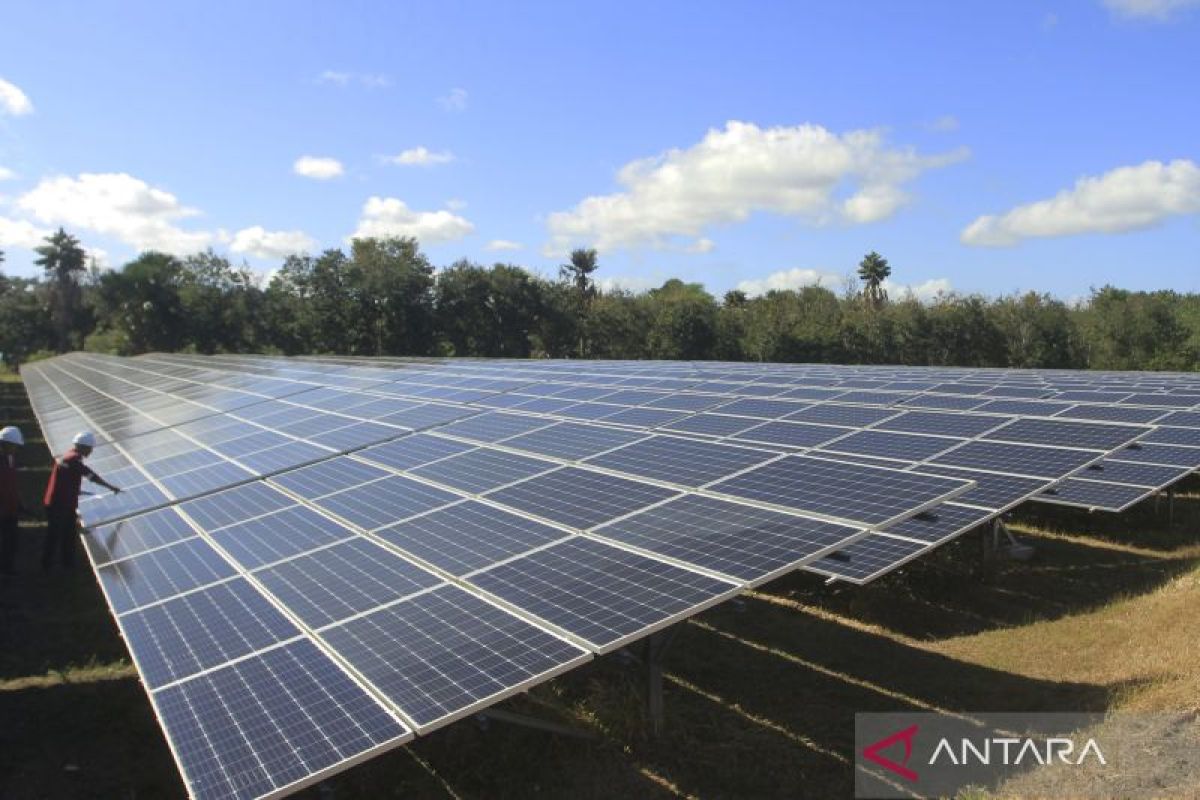
The Institute for Essential Services Reform (IESR) stated that the government’s plan to build solar power plants (PLTS) while simultaneously decommissioning diesel power plants (PLTD) are two appropriate steps towards achieving national energy independence. “We assess the announcement of the 100 GW PLTS development as one of the most progressive policies in President Prabowo’s speech,” said IESR Chief Executive Officer Fabby Tumiwa in a statement confirmed on Saturday. He noted that IESR particularly welcomes the placement of energy independence as a national priority and the various policies directed at strengthening the transition to a more sustainable energy system. Fabby said the 100 GW PLTS target demonstrates the government’s recognition that solar energy is the most abundant, fastest to deploy, and increasingly economically competitive energy source for Indonesia. “The plan to accelerate the retirement of diesel power plants and develop village-based solar power is also a strategic step to expand energy access while reducing dependence on imported fossil fuels,” he added. IESR believes that if prepared with strong institutions, integrated planning involving community and local government participation, and implemented consistently, this programme has the potential to become a crucial foundation for enhancing national energy resilience. It could also lead to lower electricity generation costs and the creation of new jobs in the clean energy and solar supply chain manufacturing sectors. However, Fabby cautioned that experience shows the success of the energy transition is not determined by the scale of targets alone, but by implementation readiness. To realise the 100 GW of solar power, he said the government must ensure good governance, establish a clear command structure, and manage the programme as a national solar mission. He also cited the need to accelerate the development of transmission and distribution networks, develop energy storage systems, and reform national electricity system planning. Furthermore, regulatory and licensing simplification, along with attractive financing schemes for the private sector, are essential. “IESR views that this ambitious target must be immediately translated into a clear roadmap, complete with annual targets, financing sources, and implementation oversight mechanisms,” he added. Previously, President Prabowo Subianto announced the government would build 30 GW of solar power plants and retire 13 GW of diesel-fired power plants by 2026. Speaking at the plenary session for the submission of the 2027 State Budget Bill, Prabowo said the solar power development is part of efforts to strengthen national energy independence. He noted that Indonesia has vast solar energy potential as it receives sunlight almost year-round, a condition that can be harnessed to provide electricity, especially in remote areas. “It is illogical for our remote islands to keep waiting for ships carrying diesel fuel to obtain electricity. The economic cost is far too inefficient,” he said.