
IESR says multi-pathway strategy key to accelerating 100 GW solar power programme
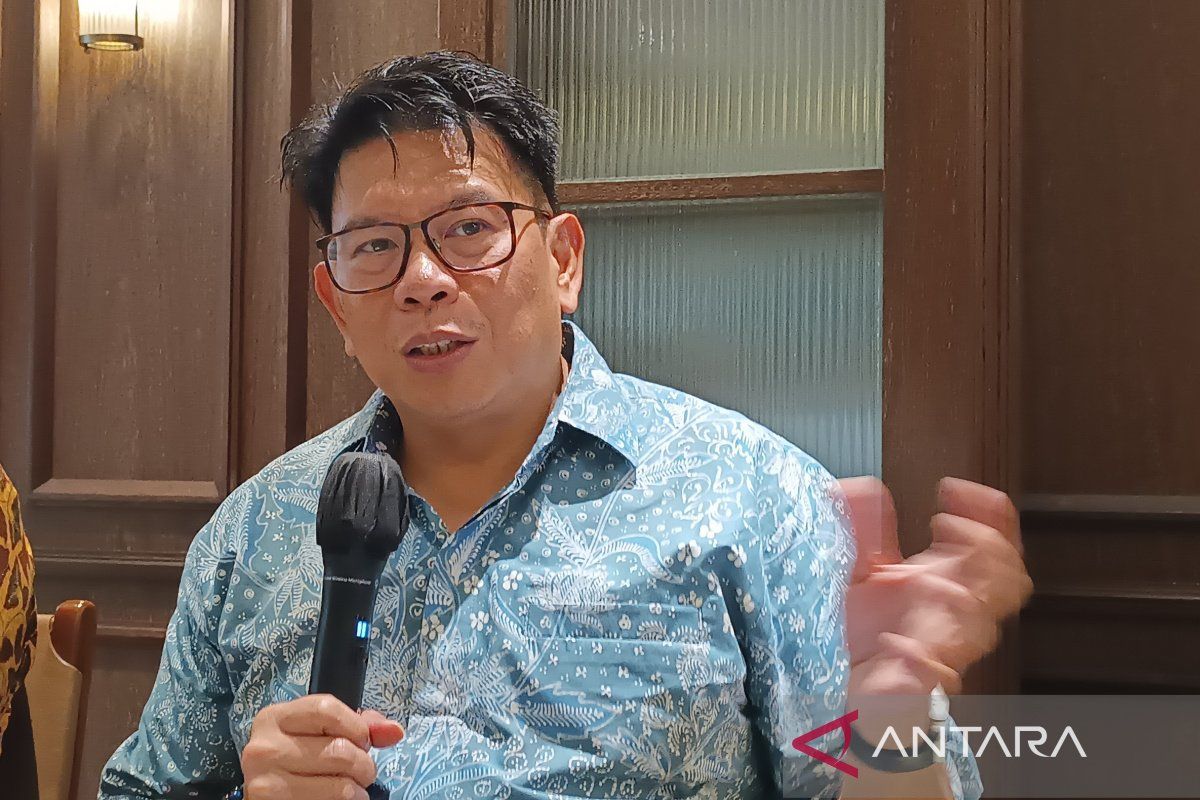
The Institute for Essential Services Reform (IESR) has assessed that the success of the 100 gigawatt (GW) solar power plant programme requires integrated leadership and a multi-pathway strategy from the government. IESR Chief Executive Officer Fabby Tumiwa stated in Jakarta on Sunday that a multi-pathway strategy must be implemented so the programme can be executed effectively, addressing diverse needs without depending on a single project scheme or source of financing. IESR believes the government needs to combine large-scale projects, rooftop solar, diesel replacement, village electrification, productive economic activities, and the gradual replacement of fossil fuel power plants. Fabby said development cannot rely solely on large-scale solar projects listed in the Electricity Supply Business Plan (RUPTL). He explained that the 100 GW solar programme can be implemented through several pathways, including accelerating rooftop solar for households, commercial buildings, and industry, as well as village electricity programmes and improving the quality of village electricity access through the Red and White Village Cooperatives or village-owned enterprises to support productive activities. The strategy also includes expanding diesel replacement programmes using solar and batteries, accelerating large-scale solar projects in the RUPTL, and utilising solar to supply electricity for supporting facilities at coal-fired power plants. Furthermore, the government needs to cancel plans for new coal and gas-fired power plants that have not yet entered the construction phase, and reduce the capacity factor of existing fossil fuel plants while replacing them with solar and battery systems. With this approach, Fabby said cumulative solar capacity could technically reach around 80 GW by 2030. However, IESR stressed that greater efforts are needed, particularly the implementation of distributed solar by various actors, to achieve the 100 GW capacity by 2030. Implementation must also consider grid and human resource readiness, industrial supply chain development, financing sustainability, and project quality, he added.