
IESR: Policy package needed to boost effectiveness of electric motorcycle incentives
The Institute for Essential Services Reform (IESR) believes the government needs to prepare a more comprehensive policy package to ensure that electric motorcycle purchase incentives are effective in encouraging the public to switch from petrol-fuelled vehicles.
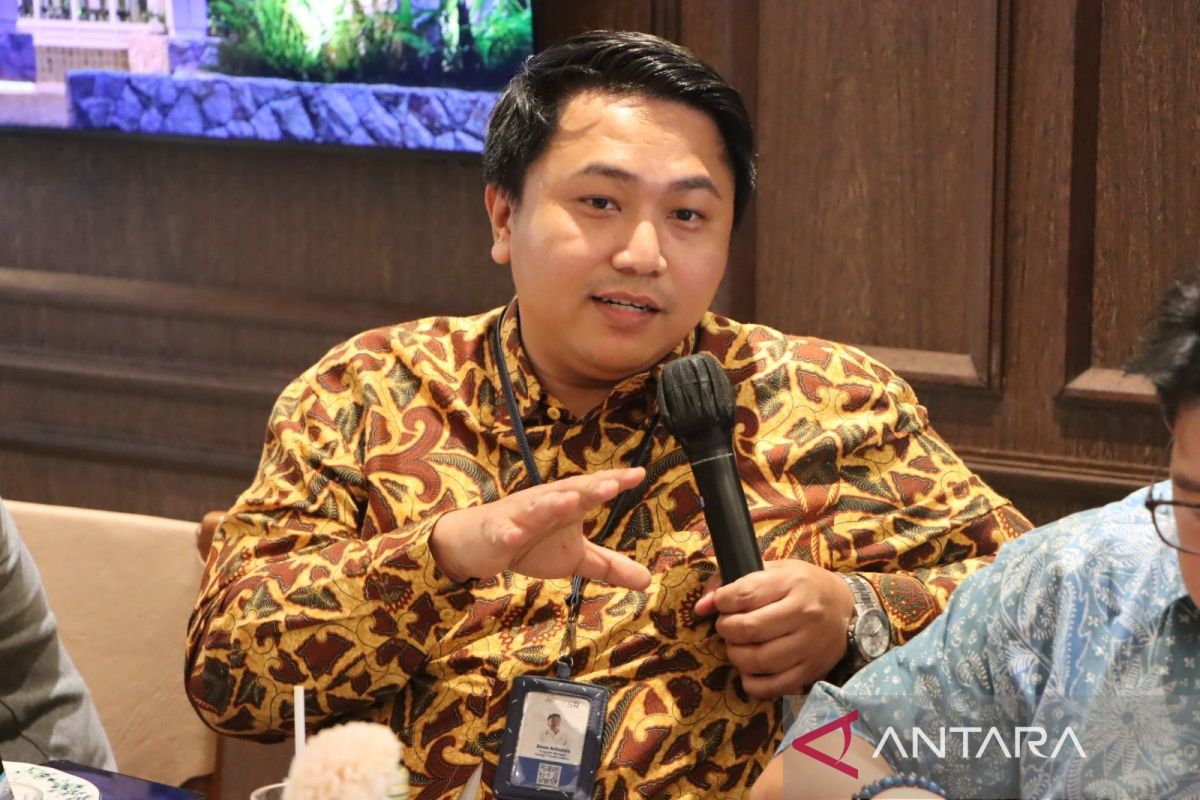
IESR Director of Energy System Transformation Deon Arinaldo said providing incentives is the right step to accelerate electric vehicle adoption. However, the effectiveness of the policy is not determined solely by the size of the incentive, but also by its design and supporting policies.
“The government needs to ensure the incentive amount is set based on the impact it wants to achieve. An incentive that is too small risks being insufficient to overcome the price gap and consumers’ economic considerations, so the allocated budget would not produce an optimal level of switching,” Deon said in a statement received in Jakarta on Monday.
The government has set an electric motorcycle purchase incentive of Rp3 million per unit, lower than the initial plan of Rp5 million.
The programme is supported by a budget of Rp3 trillion with a target of producing 1 million electric motorcycles domestically.
According to Deon, the incentive needs to be combined with other instruments, such as a trade-in programme for petrol vehicles to electric vehicles, disincentives for petrol-fuelled vehicles, and strengthening the charging and battery-swapping ecosystem.
Based on IESR modelling, the effectiveness of the policy could increase if the Rp5 million purchase incentive were combined with an additional Rp3 million through a trade-in scheme and disincentives, such as raising the price of Pertalite closer to its economic price.
In that scenario, electric motorcycle adoption is estimated to increase by up to 810,000 units compared with the business-as-usual scenario in 2030.
Deon said this approach is important because electric vehicle incentives should not be viewed merely as purchase subsidies. The shift from petrol motorcycles to electric motorcycles has the potential to provide economic benefits through reduced fuel consumption, foreign exchange savings, and lower energy subsidy and compensation burdens.
IESR estimates that one petrol motorcycle that switches to an electric motorcycle can provide benefits to the government of around Rp5.6 million over 10 years. If indirect benefits such as foreign exchange savings, reduced air pollution, and carbon value are also taken into account, the total benefit could reach around Rp28 million per vehicle over that period.
From the consumer side, electric motorcycles also offer lower ownership costs. IESR estimates the ownership cost of a battery-based electric motorcycle at around Rp346 per kilometre, compared with around Rp506 per kilometre for a petrol motorcycle.
However, Deon believes increased adoption still requires support for the electric vehicle ecosystem. Vehicle performance, the availability of charging and battery-swapping facilities, and strengthening the supply chain need to be part of government policy.
“Electric vehicle incentives should not be viewed merely as purchase subsidies. If they can accelerate the shift from petrol to electric, the government benefits from reduced fuel consumption and import foreign exchange, while the public gains lower mobility costs,” he said.
In addition to boosting demand, IESR is asking for incentives to be used to strengthen the national electric vehicle industry. Electric motorcycles receiving incentives are proposed to have a minimum battery capacity of 2.2 kWh, a minimum battery warranty of three years, after-sales service for five years, and to meet a minimum local content requirement of 40 percent.
IESR is also pushing for better-targeted incentive distribution. The government could integrate recipients with the National Identity Number and the National Socio-Economic Single Data system, and apply an exclusion mechanism for very high-income groups.
“If the goal of the incentive is to accelerate the transition, then recipients need to be prioritised for groups whose purchasing decisions can indeed change because of the incentive,” Deon said.