
IESR Deems WFH Policy Appropriate for Reducing Fuel Consumption
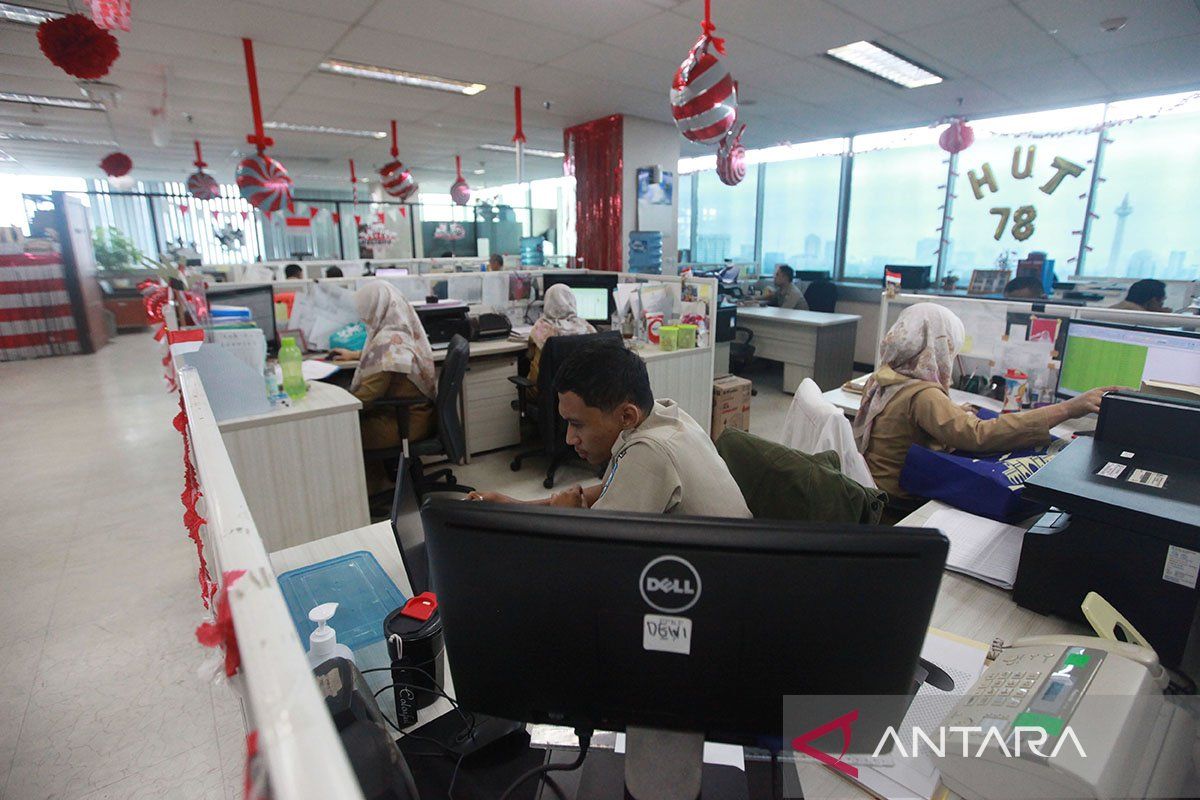
Jakarta (ANTARA) - The Institute for Essential Services Reform (IESR) assesses that a work-from-home (WFH) policy for one day per week is sufficiently effective and appropriate for reducing fuel oil (BBM) consumption amid global energy price pressures. “WFH for one day is an appropriate emergency step to curb BBM demand,” stated Chief Executive Officer (CEO) of IESR Fabby Tumiwa in an official statement received in Jakarta on Wednesday. According to Fabby, the policy represents a rational response amid price pressures and global energy supply risks. This policy, he continued, can help reduce commuter travel, restrain fuel oil (BBM) consumption in urban areas, and provide space for the government to stabilise supply and public expectations. “However, the WFH policy needs to be implemented proportionally,” he said. Fabby noted that its benefits are tangible for work-related travel segments, but the impact is limited on total national BBM consumption because Indonesia’s energy use also stems from logistics activities, goods transport, inter-city travel, and non-office economic activities such as industry. Therefore, Fabby stated, WFH implementation should be measured, sector- and region-based, prioritising jobs that can truly be performed remotely without reducing public services and economic productivity. “This policy is an urgent tactical step as part of energy demand management strategy, not a substitute for structural reforms on the supply side, public transportation, and energy efficiency,” said Fabby. Finance Minister Purbaya Yudhi Sadewa stated that the decision regarding the work-from-home (WFH) policy has been taken and will be announced shortly. Purbaya emphasised that although the decision is final, it is not he who will communicate the policy to the public. In response to the government’s target that the WFH policy could suppress fuel oil (BBM) consumption by up to 20 per cent, Purbaya acknowledged calculations estimating a reduction in consumption, though not yet certain. He stressed that the impact of the WFH policy cannot be viewed from one side alone.