
IEA Warns of Oil Crisis if Strait of Hormuz Remains Closed
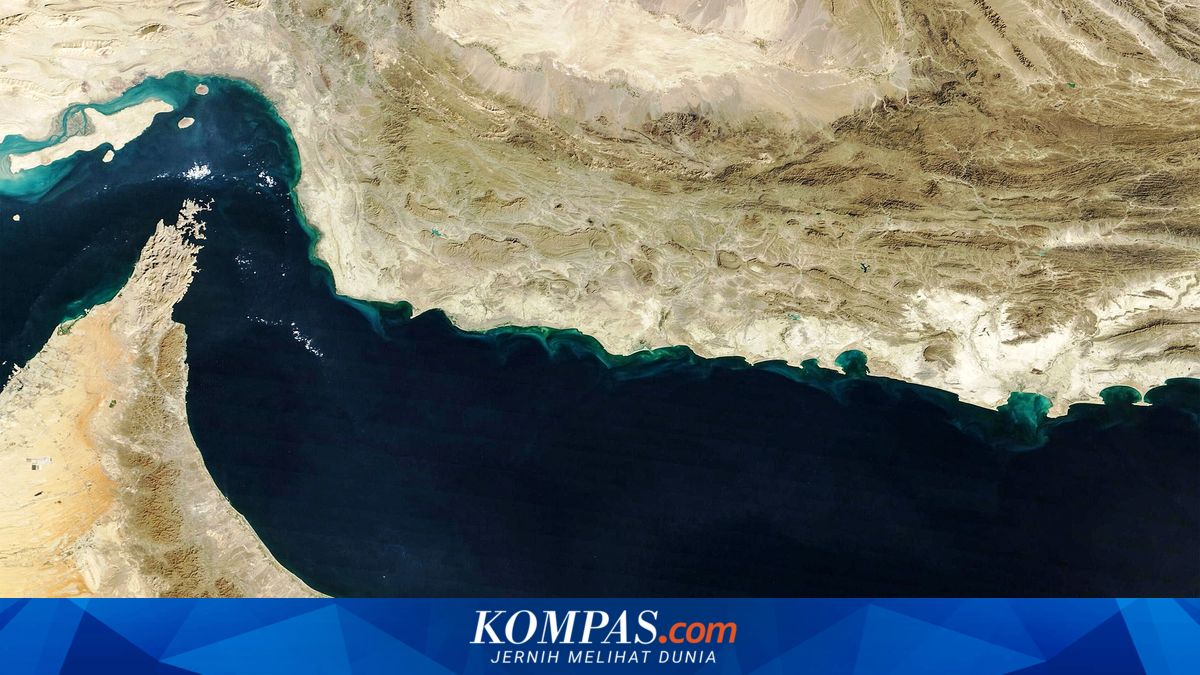
Global oil inventories continue to decline at their fastest rate to cover major supply disruptions in the Middle East, and are expected to approach critical levels if the Strait of Hormuz is not reopened soon.
The International Energy Agency (IEA) warned in its latest monthly report this week that oil and fuel prices could continue to rise as peak summer demand approaches as a result of these conditions.
“Rapidly declining inventories amid ongoing supply disruptions could trigger future price spikes,” the IEA wrote, quoting CNBC, Sunday (17/5/2026).
According to Woods, these reserves helped cushion the impact of disruptions during March and April.
However, commercial stocks will eventually fall to levels that can no longer support supply.
“We expect that if this happens and the Strait of Hormuz remains closed, prices in the market will continue to rise,” said Woods.
However, by the end of April, these stocks had fallen to 7.8 billion barrels.
UBS analysts estimate that oil inventories could fall to near a record low of 7.6 billion barrels by the end of May if demand remains stable compared to the previous month.
According to JPMorgan analysts in a note on April 30, 2026, a decline to that level would put significant pressure on the global energy supply chain.
The remainder is needed to keep pipelines and tanks filled at minimum levels so that the supply chain can operate efficiently.
“Like blood pressure in the human body, the problem lies in circulation,” said JPMorgan Global Commodity Strategy Head, Natasha Kaneva.
“The system does not fail because the oil runs out, but because the circulatory network no longer has enough working volume,” Kaneva added.