
IEA Reports Largest Monthly Increase in Global Oil Supply
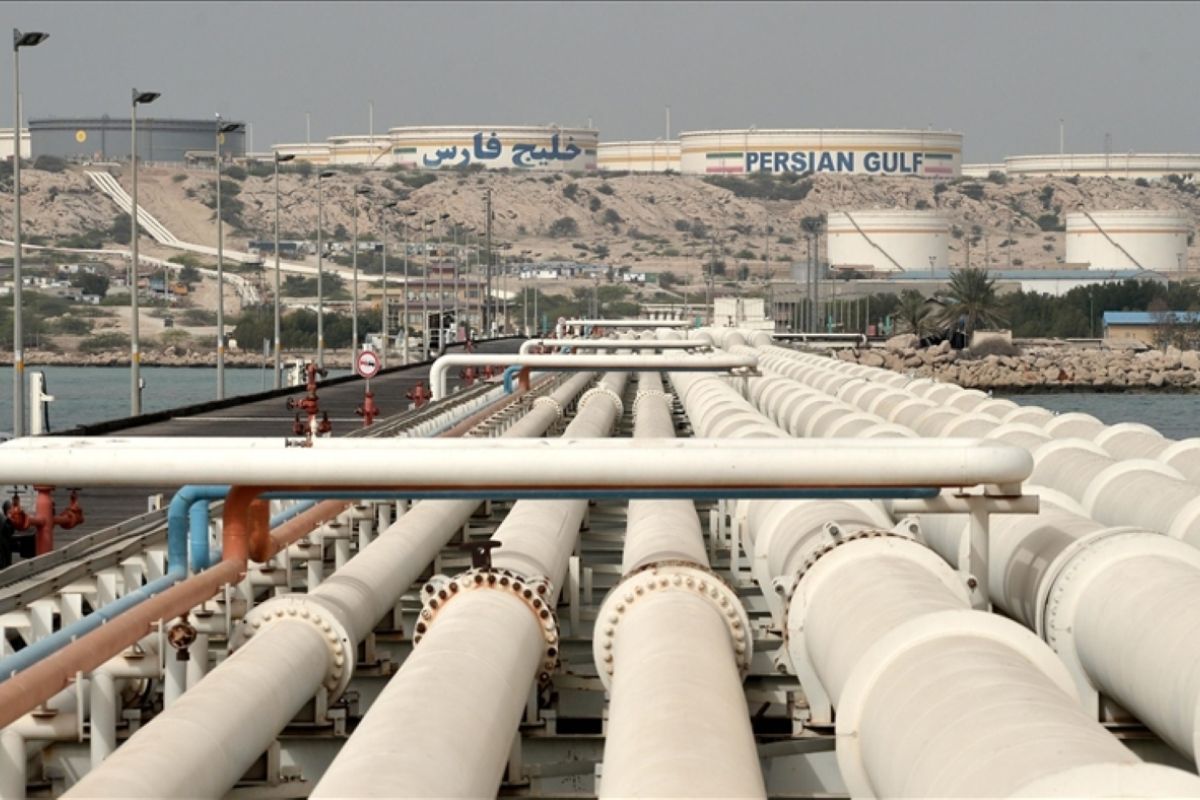
Istanbul (ANTARA) - The International Energy Agency (IEA) reported that global oil supply recorded its largest monthly increase in recent months in June, driven by the recovery of shipments through the Strait of Hormuz, which boosted production from Gulf states.
However, oil production remains far below levels seen before the outbreak of the conflict due to ongoing security disruptions, the IEA wrote.
In its monthly Oil Market Report released on Friday, the IEA also revised upward its projections for global oil supply and demand as market conditions improve following a framework agreement between the United States and Iran.
Nevertheless, the agency cautioned that geopolitical risks in the Gulf region continue to loom over the prospects of the global energy market.
The IEA noted that global oil production remains around 9.4 million barrels per day (bpd) lower than levels before the war between the United States, Israel and Iran, despite a significant recovery throughout June.
Oil supply from Gulf states rose by around 3.5 million barrels per day in June after production began to recover following the framework agreement between the United States and Iran.
However, disruptions to shipments through the Strait of Hormuz still occur periodically due to security concerns and the continued reliance of shipping on US Navy escorts.
This means Gulf region oil production remains around 11.4 million barrels per day below pre-conflict levels.
Output from the OPEC+ group, which comprises the Organisation of the Petroleum Exporting Countries (OPEC) and its partner countries, rose by around 2.45 million barrels per day to 38.39 million barrels per day in June.
Saudi Arabia contributed around 900,000 barrels per day of that increase, while Kuwait added approximately 630,000 barrels per day.
Meanwhile, production from non-OPEC+ countries rose by around 1.63 million barrels per day to 60.37 million barrels per day. The United Arab Emirates was the largest contributor, adding around 940,000 barrels per day, or more than half of the group’s production increase.
The IEA estimates that global oil supply will average 102.6 million barrels per day this year if shipment volumes through the Strait of Hormuz continue to recover.
That projection, while still showing a decline of around 3.7 million barrels per day compared with the previous year, has been revised upward by 210,000 barrels per day from last month’s estimate.
However, the IEA warned that significant risks remain, as negotiations on the management of the Strait of Hormuz are still ongoing, while attacks in the region have not fully ceased.
The agency projects that global oil production will recover by around 7.5 million barrels per day, reaching 110.1 million barrels per day in 2027.
Global oil consumption projections
On the demand side, the IEA revised upward its projection for global oil consumption in 2026 by 70,000 barrels per day compared with its previous estimate, driven by stronger-than-expected oil deliveries during the second quarter.
Based on the latest projections, global oil demand is expected to fall by around 1 million barrels per day year on year to 103.46 million barrels per day in 2026. This decline would be the first annual contraction since 2020, when the COVID-19 pandemic shook the global energy market.
According to the report, global oil demand in May fell by around 5.3 million barrels per day compared with the same period last year to 97.9 million barrels per day, the lowest level this year.
Demand began to recover after the agreement between the United States and Iran was reached in mid-June, which helped restore oil exports through the Strait of Hormuz and revived demand that had been held back in the Asian region.
The IEA added that lower oil prices and improving global economic prospects have also supported the increase in energy consumption.
For 2027, the IEA maintained its projection for global oil demand growth of around 2 million barrels per day, bringing total consumption to an estimated 105.47 million barrels per day.
Nevertheless, the agency estimates that average global oil demand growth throughout the 2025-2027 period will be only around 480,000 barrels per day per year, far lower than the historical growth trend.