
IEA: Petrochemical and Aviation Industries Most Affected by Middle East Conflict
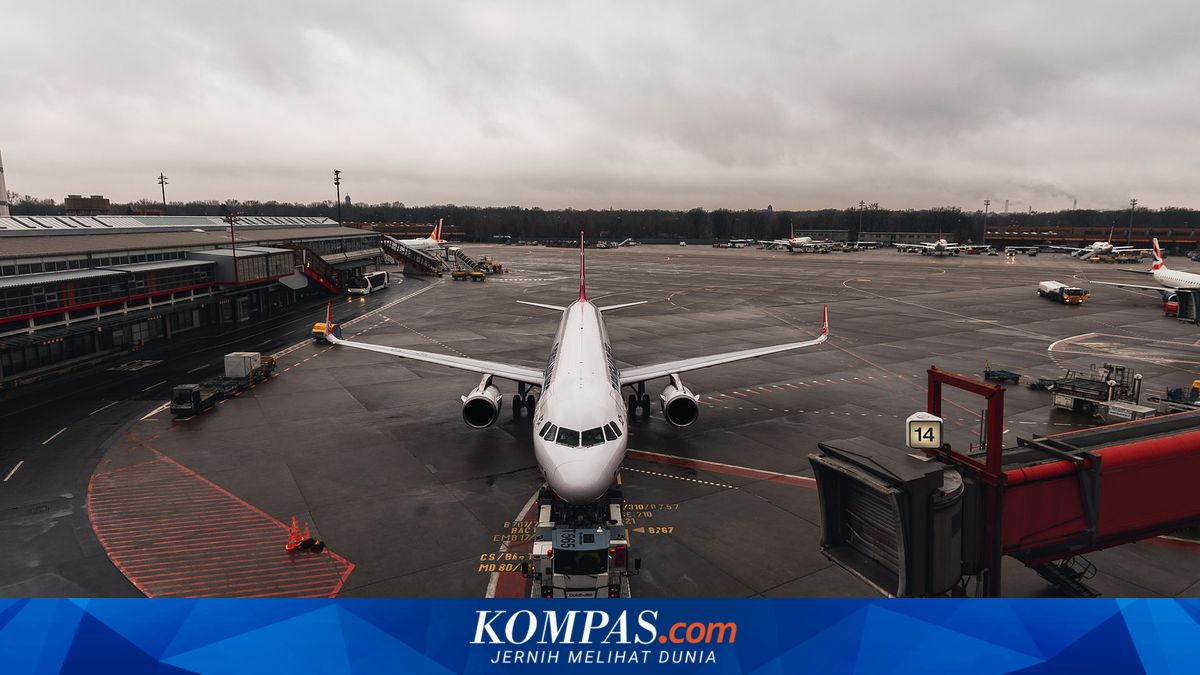
JAKARTA, KOMPAS.com - The conflict in the Middle East, which has disrupted oil supply routes through the Strait of Hormuz, is beginning to put pressure on various global industrial sectors.
In its latest report, the International Energy Agency (IEA) states that the petrochemical and aviation industries are the sectors most affected by the surge in energy prices and the limited global oil supply.
In the Oil Market Report May 2026, quoted on Friday (15/5/2026), the IEA estimates that global oil demand will contract by 420,000 barrels per day (bpd) annually in 2026 to 104 million bpd.
The IEA states that the largest decline will occur in the second quarter of 2026, with a contraction of 2.45 million bpd. OECD countries account for a decline of approximately 930,000 bpd, while non-OECD countries decline by 1.5 million bpd.
“The petrochemical and aviation sectors are currently the most affected, but higher prices, a weaker economic environment, and demand-saving measures will have an increasing impact on fuel consumption,” the IEA wrote in its report.
The IEA explains that the biggest disruption comes from the closure of the Strait of Hormuz, which has halted most energy exports from the Gulf region.
In its report, the IEA states that more than 14 million bpd of oil production is now halted due to disruptions in the distribution flow from the Gulf region.
This situation creates an unprecedented supply shock.
The price of benchmark oil has also soared. The price of North Sea Dated crude oil briefly reached $144 per barrel before falling back below $100 and then rebounding to around $110 per barrel.
“For now, the sharpest losses are seen in the petrochemical sector, where the availability of raw materials is becoming increasingly limited,” the IEA writes.
The IEA states that LPG, ethane, and naphtha account for almost half of the revised decline in global oil demand in 2026 compared to pre-war projections, reaching around 700,000 bpd.
The IEA explains that the closure of the Strait of Hormuz has halted exports of LPG and ethane from the Middle East abruptly. As a result, the global petrochemical raw material supply chain is disrupted, especially in Asia, which is highly dependent on imports from the Gulf.
South Korea, which is the second-largest consumer of naphtha in the world, has experienced a 4.8 percent decline in consumption of the raw material. Meanwhile, LPG consumption fell by 8 percent due to higher prices compared to naphtha.
In Japan, naphtha demand plummeted 25 percent year-on-year as steam cracker operators reduced their operating rates.