
IEA: Hormuz Crisis Will Redraw the World Energy Map
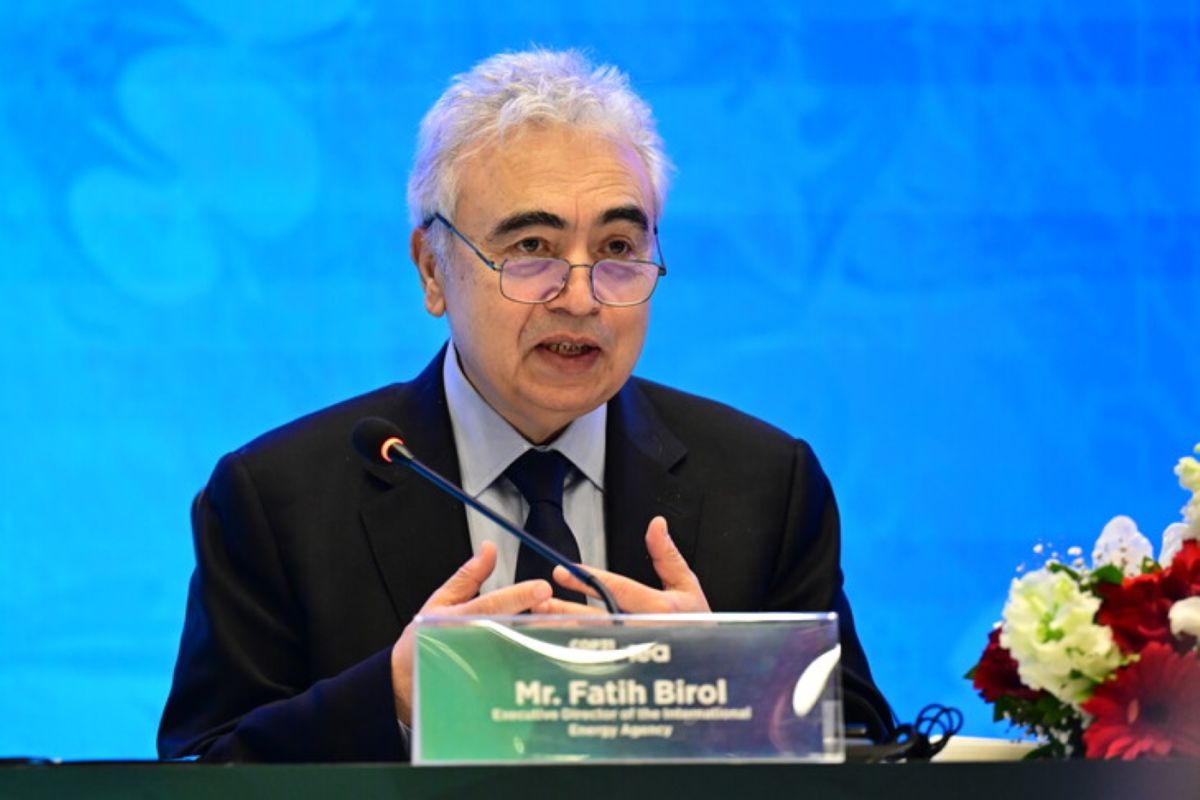
The global energy map is expected to undergo major changes in the coming years as the crisis in the Strait of Hormuz prompts many countries to review their energy supply security strategies, trade routes, and international partnerships. International Energy Agency (IEA) President Fatih Birol said the crisis would be a turning point for the global energy sector. “Regardless of how the Hormuz issue ends, I think the world energy map will begin to be redrawn in the next two to three years. Partnerships will be redefined and new partnerships will be formed,” Birol said during a meeting of the High Advisory Board of the Turkish Industry and Business Association in Istanbul on Thursday. According to Birol, the energy crisis triggered by the war with Iran has altered market calculations. He explained that abundant energy supplies before the war and the release of oil reserves helped limit price spikes. However, he stressed that a long-term solution can only be achieved through the restoration of safe shipping lanes in the Strait of Hormuz. “The solution to this problem, the single most important way, is the unconditional opening of the Strait of Hormuz with security guarantees trusted by all parties,” he stated. Birol recalled that until four years ago, the global economy and energy system relied on two vital arteries: the gas pipelines from West Siberia in Russia to Europe and the Strait of Hormuz. “Both are now closed,” he said. The IEA chief assessed that the disruption of energy flows through Hormuz, and the risk of future disruptions, have made trust and supply diversification top priorities on the global energy agenda. “Trust will become a very important factor in various energy deals. Countries are now paying more attention to diversification and trying to avoid dependence on a single source,” he said. He added that the crisis is also accelerating interest in building alternative pipelines, utilising domestic energy sources, and seeking new investment destinations in the energy sector. Birol also highlighted that the world is moving rapidly towards an ‘era of electricity’, with electricity demand growing three times faster than overall energy demand. “Growth in the electricity sector now dominates everything,” he said. According to him, concerns over energy security will further drive investment in renewable energy, nuclear power plants, and battery-based energy storage technologies. Regarding the United Nations Climate Change Conference (COP31) to be held in Turkey this year, Birol assessed it as a major opportunity for the country. He cited key priorities to be promoted, including increasing the global electrification rate from 25 percent to 35 percent by 2035, halving waste within a decade through Turkey’s zero-waste agenda, and promoting cleaner cooking methods in Africa. “COP31 is a huge opportunity. I think COP31 is a chance to show our humanitarian concern to the world,” he said. “For Turkey, this is a historic opportunity as well as a historic responsibility. Elevating the climate issue, which has recently been declining on the global agenda, is a step in line with the humanitarian values we uphold.”