
IEA Head: Global Energy System Now Extremely Fragile Due to Geopolitics
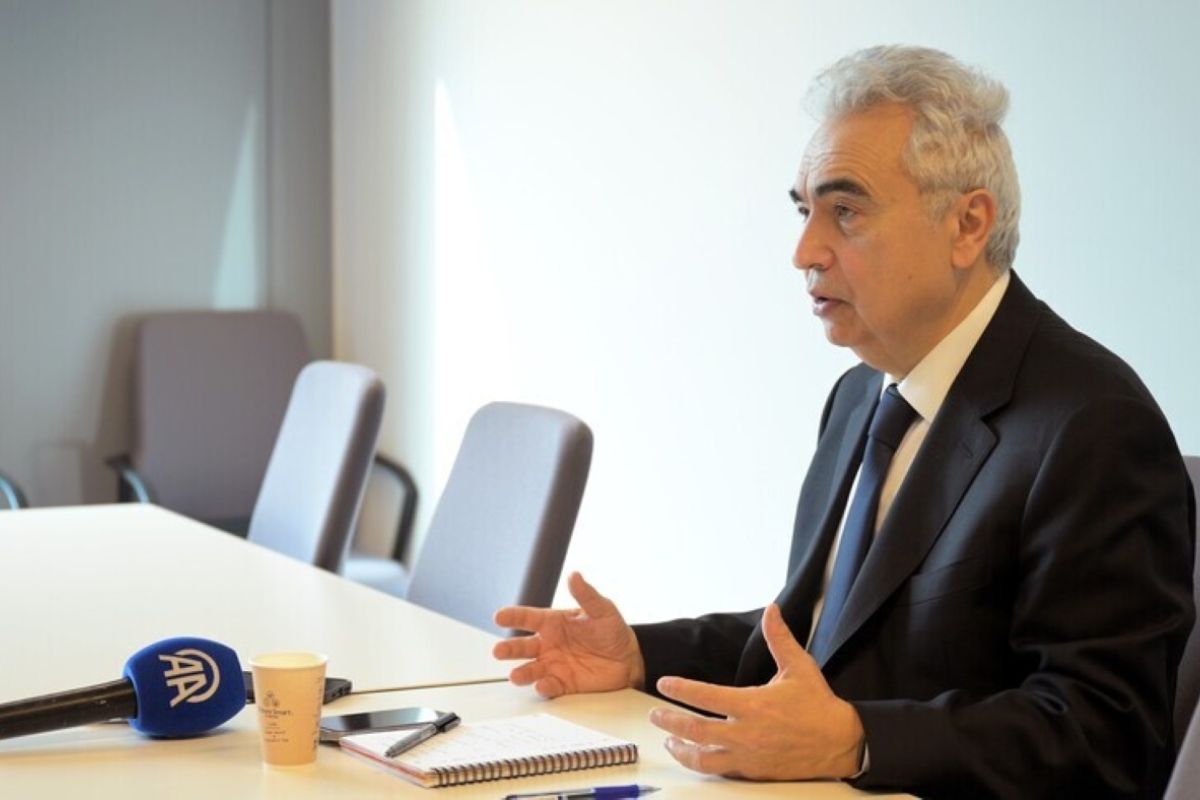
Istanbul (ANTARA) - The global energy system is facing an unprecedented level of vulnerability due to geopolitical tensions, warned the head of the International Energy Agency (IEA), Fatih Birol, on Tuesday (21/4). “We are living in a very fragile situation. The global economy currently depends on a very limited number of actors,” Birol told France Inter. Speaking at the IEA headquarters in Paris, Birol highlighted volatility around the Strait of Hormuz as one of the main risk factors for the global energy market. He warned that disruptions in that narrow waterway could have widespread impacts on the world economy, describing the situation as “absurd, but real.” “The vase is already broken. And when a vase breaks, you can’t fully repair it,” Birol said, emphasising that the impacts of the current crisis will be long-term. According to him, the global energy market remains highly sensitive to geopolitical developments, including signals from major political actors such as US President Donald Trump, whose statements on trade and energy policy continue to add uncertainty to the market. “The global economy currently depends on a very limited number of actors,” he said, while highlighting the concentration of risks in the energy supply chain. Birol also touched on the impact of the war in Ukraine, which has disrupted oil and gas flows and reshaped global supply chains, particularly in Europe. He noted that Russia remains an important player in the global energy market despite facing sanctions and changes in trade patterns, which have further increased price volatility and supply routes. Birol compared the current situation to the 1970s oil crisis but assessed the present conditions as more severe due to their simultaneous impacts on oil, gas, fertilisers, and petrochemicals. He warned that this crisis could deepen inflation and slow global growth, with heavier impacts on developing countries, including those in Africa and South Asia. Regarding Europe, he said countries like France are relatively better prepared but will still face price increases and pressure on people’s purchasing power. He added that restoring stability could take years, with normal conditions not expected for at least two years due to damage to energy infrastructure and market volatility. Birol also stated that this crisis has the potential to accelerate the global energy transition, with renewables, nuclear power, and electric vehicles standing to benefit, although some countries may temporarily increase coal use.