
IDX JCI Turns Green on Friday Morning, Key Levels Must Be Maintained
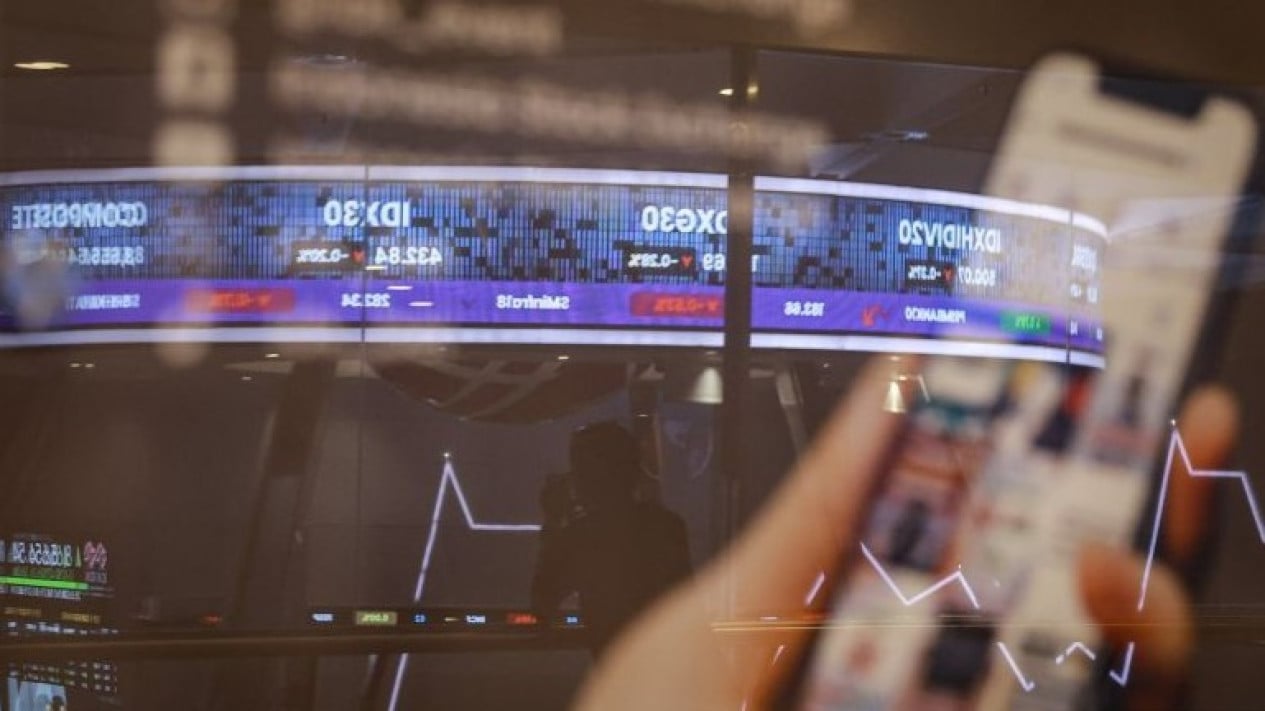
The Indonesia Stock Exchange (IDX) Composite opened trading on Friday (2/10/2026) in the green zone. This strengthening follows a session where the IDX Composite closed down by more than 1 per cent the previous day.
The IDX Composite opened up 8.58 points or 0.14 per cent to the level of 6,018.08. Meanwhile, the group of 45 blue-chip stocks, known as the LQ45 index, rose 0.90 points or 0.15 per cent to 593.28.
In Thursday’s (1/10/2026) trading, the IDX Composite closed lower by 61.64 points or 1.02 per cent to the level of 6,009.50. The index remained in the red from market opening until closing.
Senior Technical Analyst at Mirae Asset Sekuritas Indonesia, M Nafan Aji Gusta, noted that market participants are still closely observing the cabinet reshuffle conducted by President Prabowo Subianto. Changes in the composition of government officials are one of the factors being scrutinised by investors to determine the direction of economic policy.
“From a domestic perspective, the market is responding to the developments of the cabinet reshuffle, which has reintroduced uncertainty regarding the direction of future government policy,” he said on Thursday.
According to Nafan, cabinet changes in the short term may affect market movements as investors need to reassess policy direction and coordination between ministries.
“In the short term, the cabinet reshuffle could increase volatility because the market needs to re-evaluate policy direction, inter-ministerial coordination, and the implications for fiscal and economic programmes.”
Nafan also assessed that the market’s response to the cabinet changes should be viewed through subsequent developments, particularly regarding the implementation of government programmes.
“The development of the reshuffle itself shows that the market is responding immediately to these changes, although it is necessary to distinguish between the initial reaction and the fundamental impact,” he added.
In addition to domestic factors, the stock market is also facing pressure from external conditions. High US Treasury yields, pressure on the Rupiah, and geopolitical uncertainty are several factors that could affect investor interest in risky assets in emerging markets.
These conditions have also led market participants to be more cautious in taking positions. Nafan mentioned that investors tend to continue adjusting portfolios and selecting stocks selectively.
“The current investor sentiment, in my view, tends to be more defensive and selective,” he said.
According to him, this attitude is reflected in the ongoing pressure on foreign fund flows and the movement of large-cap stocks. “This is reflected in the continued net foreign selling and pressure on several big-cap stocks.”