
IDX Halts Trading After Composite Index Plunges
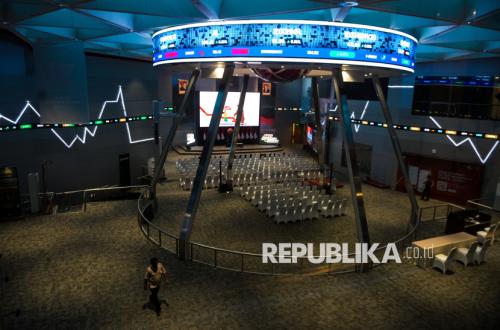
JAKARTA — The Indonesia Stock Exchange (IDX) temporarily halted share trading on Friday (16 October 2026) after the Jakarta Composite Index (JCI) plunged sharply in early trade. The halt followed selling pressure in the domestic equity market that drove the index down 8.01 per cent to 5,393.92.
The JCI immediately fell 8 per cent from the previous session’s close of 5,863.78. Selling pressure then continued until the index reached the exchange’s threshold for a temporary trading suspension.
Under IDX rules, trading is halted for 30 minutes if the JCI falls by more than 8 per cent. If the index subsequently falls by more than 15 per cent, the exchange may impose another 30-minute halt. A further decline of more than 20 per cent may trigger a suspension until the end of the session, or for more than one session, subject to approval or an instruction from the Financial Services Authority (OJK).
Pressure on Indonesia’s stock market came amid growing investor concern over a proposal by Morgan Stanley Capital International (MSCI) to reclassify Indonesia’s capital market from an emerging market to a standalone market. The MSCI review prompted some investors to sell shares.
MSCI has highlighted concerns about transparency in share-ownership structures and alleged coordinated trading practices. The global index provider has asked for evidence of tangible and sustained improvements before making a final decision on the proposed reclassification.
The proposal could affect decisions by global investors who use MSCI indices as investment benchmarks. However, the impact on foreign capital flows will depend on MSCI’s final decision and the response of international fund managers.
The JCI closed 79.24 points, or 1.33 per cent, lower at 5,863.78 on Thursday (15 October 2026). All 11 sectors in the IDX-IC sectoral index fell, with energy recording the steepest decline, down 5.88 per cent.
The losses came amid pressure on Asian stock markets and rising expectations of a Federal Reserve rate increase after US inflation came in higher than markets had forecast. These global economic conditions also weighed on the domestic index.