
Idulfitri 2026 Homecoming Activities Predicted to Boost National Economic Circulation
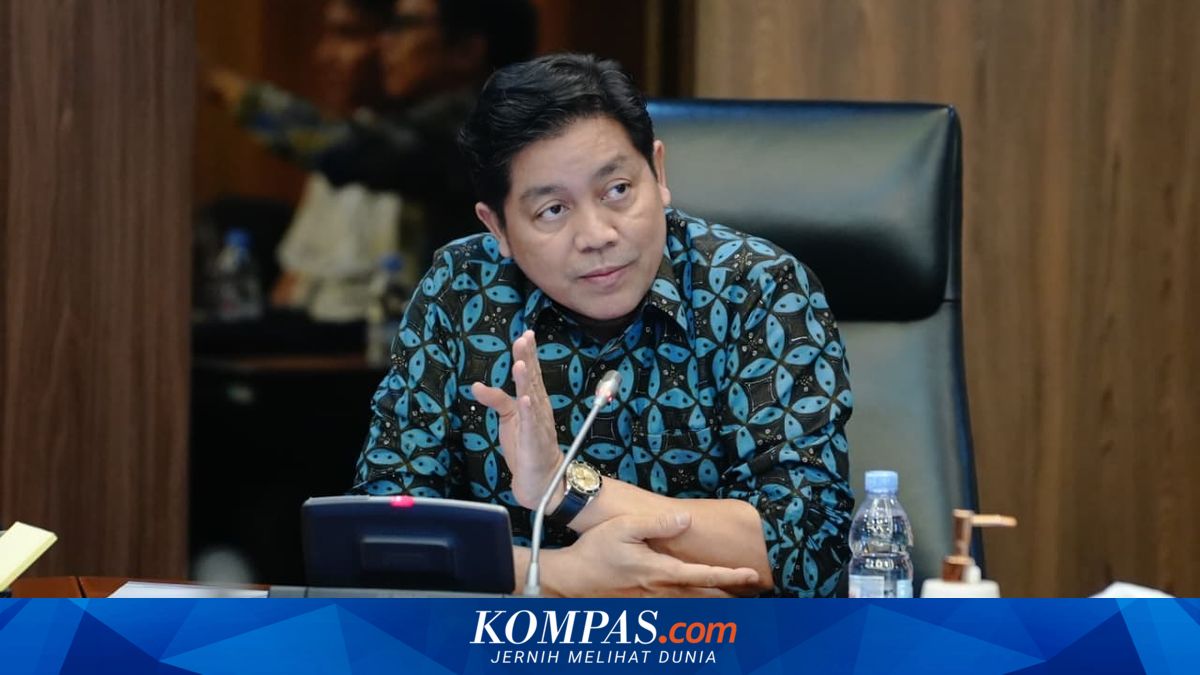
The Idulfitri homecoming represents a strategic economic phenomenon that consistently drives an increase in national economic activity. Its mass, scheduled nature, and multiplier effects make it a simultaneous driver of various real sectors. Based on historical data, household consumption rises by 15-20% compared to normal months, in line with high societal mobility and increased velocity of money. The high Marginal Propensity to Consume (MPC) among Indonesians during this period further strengthens consumption impulses, including income increases for local UMKM actors by 50-70%. Empirically, Idulfitri homecoming has proven to be a consistent and measurable instrument for economic strengthening. A 2023 Central Statistics Agency (BPS) study also shows that homecoming activities contribute around 1.5% to annual national economic growth (yoy). This contribution occurs through the redistribution of money flows from economic centres to various regions, thereby expanding economic impacts and increasing more equitable money circulation. “Every expenditure by homecomers creates a multiplier effect that provides layered impacts for economic actors, including UMKM, traders, and the transportation services sector,” explained Spokesperson for the Coordinating Ministry of the Economy, Haryo Limanseto. “This increased activity also contributes to rises in income from the trade and services sectors,” he added. With such great potential, policy synergy and strengthening the role of UMKM are key to optimising the Lebaran homecoming momentum to drive inclusive and sustainable economic growth,” Haryo Limanseto emphasised. For the 2026 Idulfitri momentum, economic activity projections show an optimistic trend and are estimated to increase compared to the previous year. The 2025 Idulfitri evaluation recorded societal movement reaching 154.62 million people. Societal movement and spending in 2026 are hoped to increase further to support the annual economic growth target of 5.5-5.6% (yoy). This optimism is supported by various stimulus policies, including fiscal stimulus allocations of more than Rp12.8 trillion, distribution of social assistance worth Rp11.92 trillion to 5.04 million Beneficiary Families (KPM) ahead of Idulfitri, and transport fare discounts worth Rp911.16 billion. With household consumption contributing around 53-54% to Gross Domestic Product (GDP), these various stimuli are projected to provide positive impacts on national economic performance. The government has consistently implemented various policies each year to encourage economic activity through the Idulfitri homecoming momentum.