
Identity of 20 Stacked Ancient Human Remains Revealed, Scientists Stunned
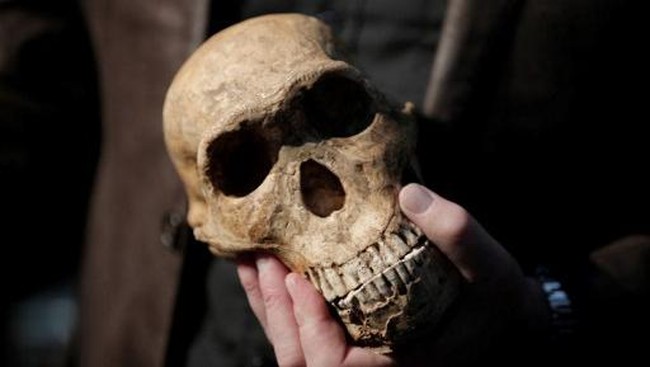
An unexpected fact has emerged from the discovery of fossils belonging to 20 individuals of the ancient human species Homo naledi in a remote cave in South Africa. All the fossils are most likely female. This finding has stunned anthropology and human evolution experts, sparking major questions about the habits, social life, and origins of our ancestors. The fossils were discovered starting in 2013 in a space called the Dinaledi Chamber, part of the Rising Star cave system in an area known as the ‘Cradle of Humankind’ in Gauteng, South Africa. The location is extremely difficult to access, situated 80 metres from the main entrance, requiring passage through a narrow gap just 25 centimetres wide and a descent of 12 metres. More than 1,500 bone fragments have been collected, representing at least 20 individuals who lived approximately 236,000 to 335,000 years ago, an era contemporary with the early emergence of modern humans, Homo sapiens. For years, scientists assumed these fossils came from various ages and sexes. However, the latest analysis using tooth enamel protein to determine sex yielded surprising results. Of all 20 samples that could be tested, not a single signal for the typical male protein (AMELY) was detected. All samples only showed the female genetic marker (AMELX). ‘This is highly unexpected. We initially thought there was a procedural error, but after repeated testing, the results remained the same,’ said the lead researcher of the study. The probability of randomly finding 20 individuals who are all female is extremely small, less than one per cent. This finding presents several major puzzles. How they entered the extremely remote and dangerous cave location is unclear. There are no traces of predators or signs of flooding that would have forced them to flee into the hole. One of the strongest theories is that a group of Homo naledi deliberately carried and placed the bodies in the chamber deep within the cave, a ‘ritual’ behaviour previously thought to be exclusive to intelligent, large-brained humans. The next question is why all the discovered fossils are female. If this was a burial site, why are only female bodies present? Did females have a special role in this group, or was this a resting place for only certain members? There is no definite answer yet. This complex behaviour raises questions about ‘culture’ in ancient humans. Homo naledi had a small brain, roughly the size of an orange, but possessed body characteristics similar to modern humans. This new finding suggests that complex intelligence and social habits may have developed long before the emergence of Homo sapiens. The discovery indicates that complex behaviours such as caring for the dead may have appeared earlier and in species we previously thought incapable of them. If they indeed practised mortuary rituals, it means social bonds and concepts of death existed far earlier than previously suspected. For now, the puzzle of the 20 fossils in the depths of the cave remains a topic of heated debate. Further research will be conducted to ascertain whether this represents a social pattern, a burial practice, or other factors yet to be revealed.