
Ideal screen time limits by age, from children to adults
Jakarta (ANTARA) — The use of digital devices has become an inseparable part of daily life. From working, studying and communicating to seeking entertainment, almost every activity now involves digital screens such as mobile phones, computers, tablets and televisions.
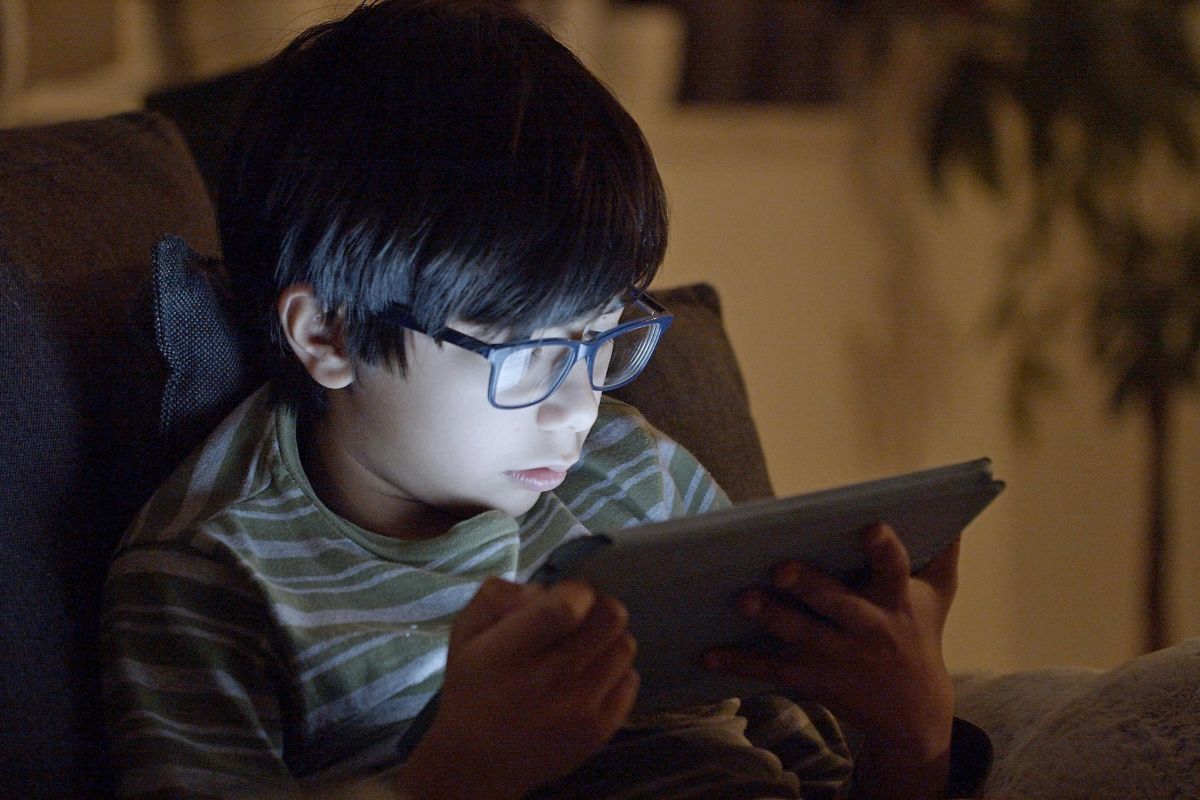
As digital device usage increases, the amount of time people spend looking at screens, or screen time, continues to grow. Yet excessive gadget use can affect eye health, sleep quality, mental health and even brain development, particularly in children.
According to a report by research firm data.ai in its State of Mobile 2023 publication, Indonesians were the world’s heaviest internet users in 2022, averaging 5.7 hours per day on mobile devices. The figure shows that people are increasingly dependent on digital technology in carrying out their daily activities.
The World Health Organization (WHO) has also reminded the public of the importance of limiting screen time according to age. For children aged 2–5, screen use is recommended to be no more than one hour per day. Meanwhile, for school-age children, teenagers and adults, digital device use should follow the principle of quality over quantity, using screens as needed and interspersing rest breaks every 20–30 minutes.
In simple terms, screen time is the total time a person spends interacting with digital screens, whether through mobile phones, computers, laptops, tablets or televisions. All screen-based activities, such as working, studying online, playing games, watching videos and browsing social media, count towards daily screen time.
Many people are shocked when they look at the screen activity tracker on their phones. Unknowingly, accumulated screen use in a single day can run to several hours longer than they had estimated.
Prolonged screen exposure is known to be linked to an increased risk of digital eye strain — tired eyes caused by excessive use of digital devices. The condition can be marked by dry eyes, blurred vision, aching eyes, and even neck and shoulder pain caused by poor posture while using devices.
To minimise these risks, experts recommend different screen time durations for each age group.
For babies aged 0 to 24 months, the use of electronic screens should be avoided altogether. The only exception is video calls to interact with family members, as this activity still carries social and communicative value.
Meanwhile, children aged 3 to 5 may use digital devices for up to a maximum of one hour each day. Although they may be allowed to enjoy content other than learning material, parents are still advised to choose age-appropriate programmes and limit usage time so it does not interfere with the child’s play activities or social development.
For children over 5, there is no strictly standardised time limit. However, screen use should not disrupt studying, physical activity, sleep, interaction with family and friends, or the child’s mental health.
For teenagers and adults, the ideal amount of time spent using gadgets or engaging in online activity is estimated at around 257 minutes, or about 4 hours 17 minutes, per day. Even so, this duration is not an absolute rule, as each individual’s needs may differ, particularly for those who work using computers or digital devices.
Equally important to understand is that screen time is not calculated solely from mobile phone use. Time spent watching television, working on a computer or laptop, playing on a tablet and other screen-based activities all count towards the total daily screen time.
Beyond limiting the duration of digital device use, maintaining eye health also requires adopting good habits. One of these is the 20-20-20 rule: shifting your gaze to an object about 20 feet, or six metres, away for 20 seconds every 20 minutes of looking at a screen.
In addition, keeping a proper viewing distance from the screen, adjusting the device’s brightness to suit the room’s conditions, and taking regular breaks can also help reduce the risk of tired eyes.
Amid rapid technological development, the use of digital devices is indeed difficult to avoid. However, by understanding the ideal screen time limits by age and adopting wiser usage patterns, people can still make the most of technology without neglecting their eye health or overall physical wellbeing.