
Ideal intellectual property system must deliver socio-economic benefits: Otto
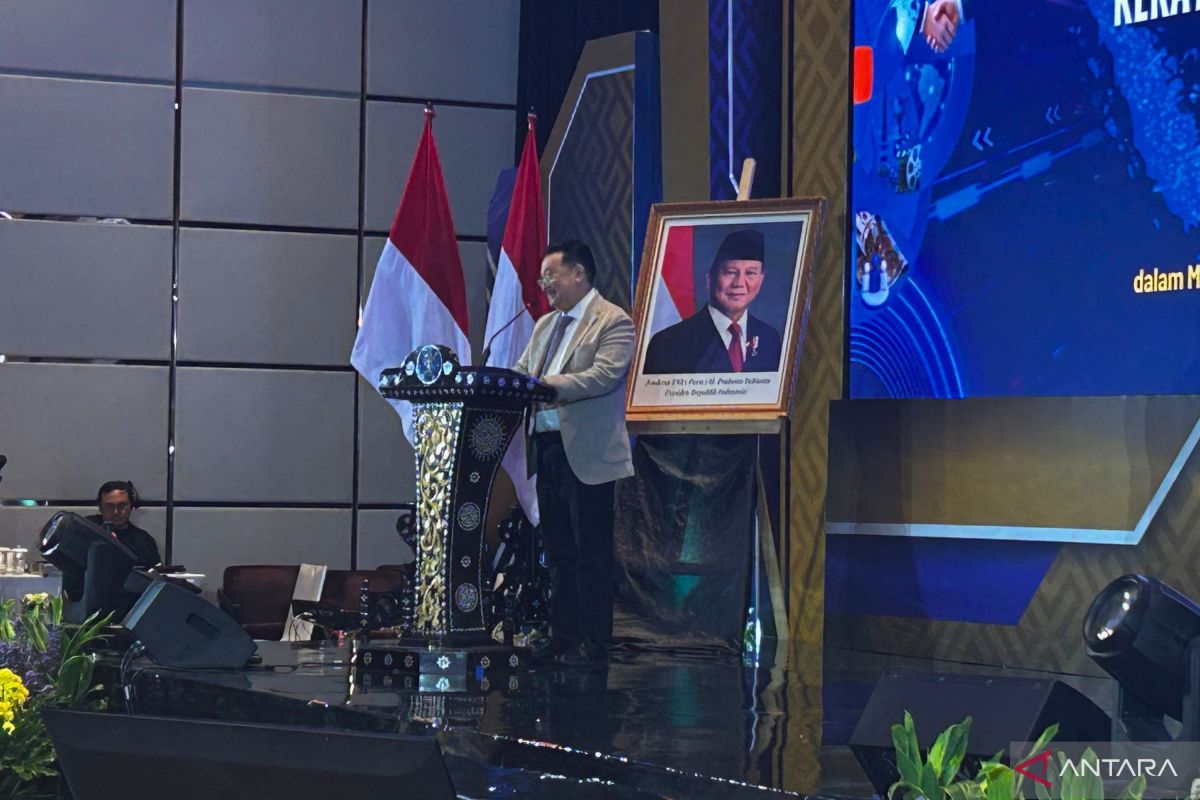
Deputy Coordinating Minister for Law, Human Rights, Immigration, and Corrections Otto Hasibuan has said that an ideal intellectual property system is one that is clearest, fair, balanced, and capable of delivering social and economic benefits.
“An ideal intellectual property system is not the most rigid one,” Otto said at the 2026 National Intellectual Property Coordination Forum in Jakarta on Wednesday.
He argued that overly weak intellectual property protection would reduce incentives to innovate and create. Conversely, overly strict protection could hinder knowledge transfer and the public interest.
In the contemporary economy, Otto said, the value of a product no longer stems solely from its raw materials and production processes, but also from innovation, design, branding, reputation, creative works, and related knowledge.
Therefore, Otto said, the issue facing Indonesia today is not about the importance of intellectual property, but rather whether the country has developed a system capable of integrating creation, protection, and utilisation as a whole.
“In this regard, there is still much work that we must complete together,” he said.
He noted that the granting of such rights is not intended to create a monopoly, but to create balance.
Accordingly, he stressed that creators and innovators need to receive proper recognition so that creative and innovative activity can continue to flourish.
At the same time, the public must also feel the benefits of the dissemination of knowledge, technology, culture, education, health, and fair business competition.
Otto added that Indonesia has enormous potential in intellectual property, with public creativity developing across various regions.
In addition, he said, universities and research institutions generate knowledge and inventions, business actors build brands and designs, and indigenous and local communities preserve traditional knowledge, cultural expressions, and products with specific economic characteristics.
“However, this potential has not yet been fully converted into national economic strength,” the deputy coordinating minister said.