
IDAI Urges Parents to Choose Wooden and Clay Toys to Reduce Microplastic Exposure
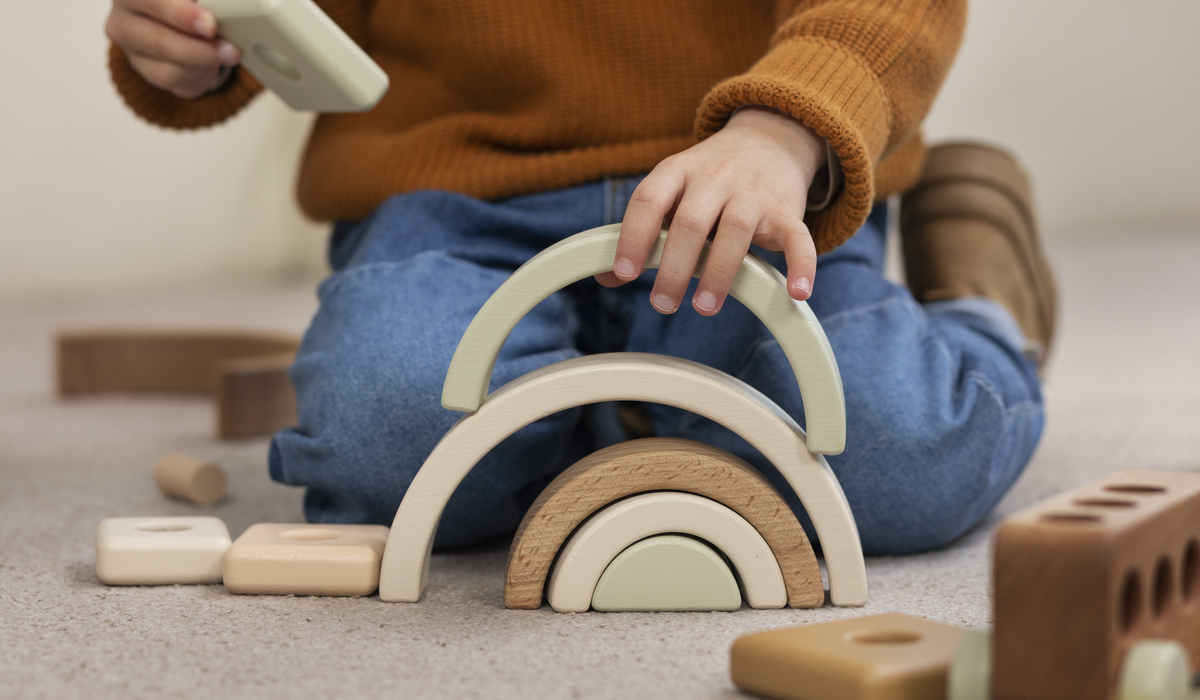
The Indonesian Paediatric Society (IDAI) has issued an important advisory to parents to be more selective in choosing children’s toys. This step is necessary to reduce the risk of exposure to microplastics and harmful chemicals often contained in plastic materials.
IDAI’s General Chairman, Dr. dr. Piprim Basarah Yanuarso, Sp.A(K), stressed that product safety must be the top priority before parents decide to buy toys for their children.
“Get into the habit of reading the contents of the toys used by our children,” said Dr. Piprim after a media briefing at the Balai Budaya, Jakarta, on Monday (6/4).
Dr. Piprim reminded parents not to focus only on the shape or colour of toys, but also to ensure clear safety guarantees from the manufacturer. This is crucial, especially for plastic-based products, to protect children from the dangers of microplastics.
“Make sure what the safety standards are, whether there is a written safety guarantee from the manufacturer,” he emphasised.
Furthermore, he warned that plastic materials can undergo dangerous chemical structural changes if exposed to high temperatures. “If plastic is heated, it can certainly be dangerous,” he added, referring to the potential release of toxic substances that can enter the child’s body.
Parents are advised to consider alternative toys made from more natural materials, such as wood or clay, which are considered much safer from microplastic contamination risks.
In addition to safety factors, the use of natural materials like wood and clay is seen to have added value for child development. According to Dr. Piprim, Indonesia has great potential to develop a toy industry based on natural materials.
“Indonesia is not short of wood, and there are many other materials like clay that can be used,” he said. He also added that playing with natural materials can more effectively stimulate children’s creativity.
“Don’t be afraid of children getting dirty, because that can stimulate creativity,” he encouraged parents not to hesitate in providing more organic play media.
At the end of his statement, Dr. Piprim emphasised the need for innovation from the producers’ side. The toy industry is expected to start reducing dependence on plastic materials and switch to more environmentally friendly materials that are safe for children’s health.
“Innovation is needed so as not to continue relying on potentially dangerous plastic materials,” he concluded.
Microplastics are very small plastic particles (less than 5 mm) originating from consumer products and industrial waste.
Source: jawawa.id (https://jawawa.id/newsitem/idai-urges-parents-to-choose-wooden-and-clay-toys-to-reduce-microplastic-exposure-1775602281)
Originally published by Media Indonesia (https://mediaindonesia.com/humaniora/877030/idai-imbau-orangtua-pilih-mainan-bahan-kayu-hingga-tanah-liat-untuk-kurangi-mikroplastik), translated from Indonesian