
IDAI Issues Recommendations to Protect Children from Volcanic Ash Effects
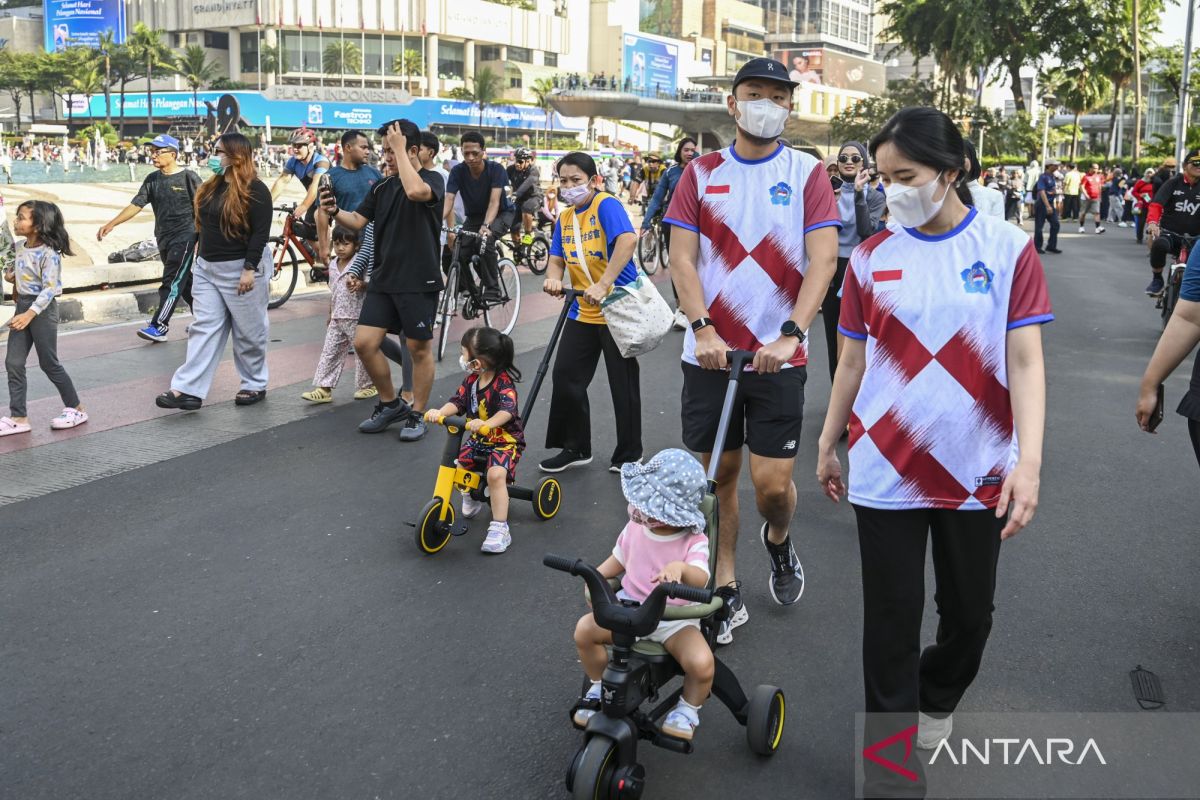
In children with a history of asthma, allergies, or chronic lung disease, exposure can trigger dangerous acute attacks or exacerbations.
Jakarta (ANTARA) - The Indonesian Paediatric Society (IDAI) has issued a series of recommendations to prevent health impacts from volcanic ash emitted by the eruption of Mount Anak Krakatau, ranging from evacuating children to safe locations, to cleaning ash properly, to preparing medication.
The Chairman of the IDAI Central Board, Piprim Basarah Yanuarso, said in Jakarta on Monday that volcanic ash is not ordinary dust. The material is formed from fragments of rock, minerals, and volcanic glass, extremely fine in size with sharp and abrasive surfaces. When inhaled, these particles can scratch and irritate the respiratory tract.
Volcanic ash also contains irritant gases such as sulphur dioxide (SO₂) and carbon monoxide (CO), which can worsen irritation and trigger inflammation in children’s respiratory systems.
Therefore, he said, in an emergency situation such as this, the safety and health of children must be the top priority above all else.
Evacuate children away from areas affected by the eruption.
Stay indoors with the house sealed tightly if outdoor air conditions are poor, i.e. an Air Pollution Standard Index (ISPU) reading above 100, which can be checked on air quality monitoring websites.
Keep children away when cleaning up ash.
When cleaning the house, keep children away. If this is not possible, use a damp cloth or rag, or wet the floor or object to be cleaned with water so that dust does not become airborne when wiped.
Turn off devices that draw outside air into the house, such as air conditioners; set them to air recirculation/closed vent mode.
Do not turn on electric fans, as they will blow dust particles that have settled on furniture or floors into the air, where they can be inhaled.
Use special children’s masks on those aged over two years, ensure they are fitted properly, and teach children how to wear them.
Provide eye protection for children, such as children’s goggles.
Dress children in clothing that covers the skin to reduce direct exposure to their sensitive skin.
Prepare routine medication if the child has a history of asthma or respiratory allergies.
Keep children away from additional smoke pollution inside the house, such as cigarette smoke and cooking fumes.
Ensure children drink enough fluids to prevent dehydration.
Go to hospital immediately if there are symptoms of breathing difficulty, indicated by an increased respiratory rate, inward retraction of the chest wall, and oxygen saturation below 94 per cent on a finger oximeter.
The eruption of Mount Anak Krakatau, ongoing since 4 September 2026 and currently at Alert level (Level III), has caused widespread volcanic ash dispersion reaching the Jabodetabek region, Banten, Lampung, and parts of West Java.
“Nothing is more precious than the lives and future of our children. Amid the real threat of volcanic ash, we must prioritise their protection with firm and swift preventive action. Do not wait until symptoms appear, because every breath our children take now is an investment in their future health,” said Piprim.
The Head of IDAI’s Respirology Coordinating Work Unit (UKK), Wahyuni Indawati, added that volcanic ash exposure can trigger various acute respiratory disorders.
“The most common symptoms are airway irritation causing sneezing, coughing, runny nose, and even shortness of breath. In children with a history of asthma, allergies, or chronic lung disease, this exposure can trigger dangerous acute attacks or exacerbations,” she said.