
IDAI: Children Are the Group Most Vulnerable to the Impact of Climate Change
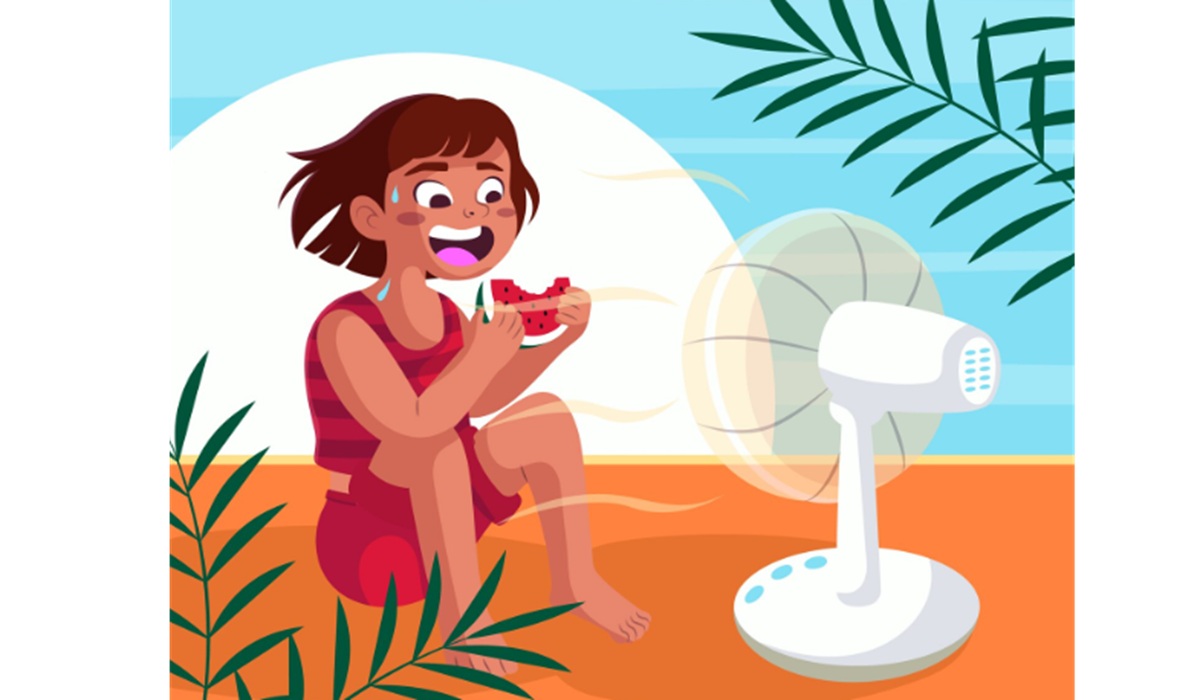
The Central Board of the Indonesian Paediatric Society (IDAI) has issued a serious warning regarding the impact of climate change on the health of future generations. Children have been identified as the most vulnerable group due to their physiological condition, which is still in the developmental stage.
Dr. Riyadi, a member of the IDAI Environmental Health and Climate Change Task Force, explained that this vulnerability is caused by children’s immune systems and respiratory organs not yet being fully mature. Exposure to air pollution, extreme temperature fluctuations, and declining environmental quality pose a real threat to their growth and development.
“Children are vulnerable to pollutants because their airways are narrower and still immature, and their immune systems are just beginning to develop,” Riyadi stated during an IDAI media seminar commemorating World Environment Day, quoted on Thursday (11/6).
A more alarming fact is that the impact of climate change and air pollution can already be felt during pregnancy. Exposure to pollutants and heavy metals risks inhibiting the growth of the foetus in the womb. According to Riyadi, this disruption can continue into the early stages of a child’s life, triggering low birth weight and increasing the risk of infection in the first few years. Additionally, changes in global weather patterns are expanding the spread of tropical infectious diseases through vectors such as mosquitoes.
IDAI emphasised that a good environmental quality is the primary foundation for optimal child growth and development. Collective efforts in pollution control and sanitation improvement are no longer merely an option but a necessity to protect public health. “A healthy earth means we are healthy. Everyone has a role in protecting the environment because its impact is directly felt on public health, especially children,” Riyadi concluded.