
IDAI: Children are more vulnerable to microplastic and lead exposure
Jakarta (ANTARA) -
The Indonesian Paediatric Society (IDAI) has stated that children are more vulnerable to exposure to microplastics and heavy metals such as lead from the environment.
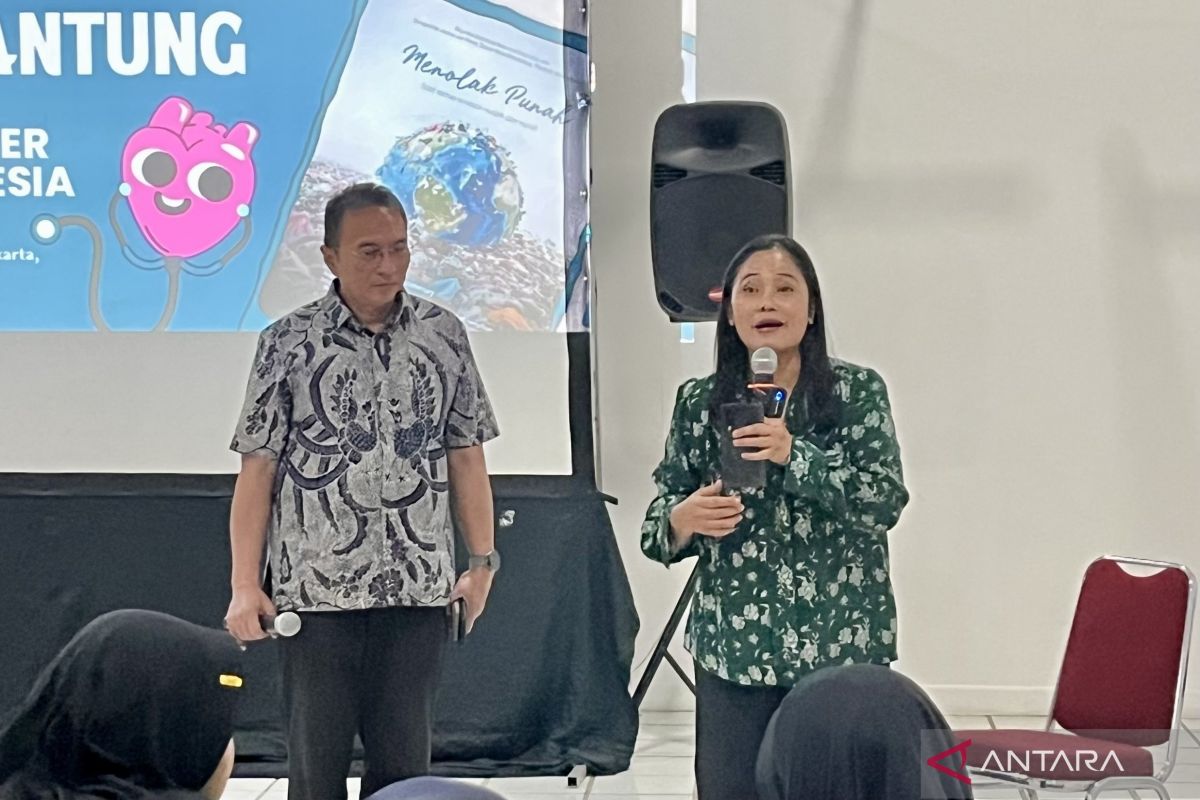
Dr. dr. Irene Yuniar, Sp.A, Subsp ETIA(K), a member of IDAI’s Emergency and Intensive Child Therapy Coordination Unit, said during an event held by IDAI in Jakarta on Monday that children can be exposed to microplastics and heavy metals through water, air, and soil.
Due to their condition and behaviour, she said, children are more susceptible to exposure to microplastics and heavy metals than adults.
“Children are still developing, have smaller body weights, and often put various things in their mouths,” said Dr. Irene, who works in the Department of Child Health at the Faculty of Medicine, University of Indonesia – National Central General Hospital dr. Cipto Mangunkusumo, Jakarta.
She explained that children are vulnerable to exposure to harmful substances such as microplastics and lead from their surroundings, including playgrounds.
“Lead exposure often comes from peeling paint, soil, and also from children’s play environments,” she said.
Children are at greater risk of the impacts of exposure to harmful substances like microplastics and heavy metals because their body’s ability to neutralise harmful substances is not yet optimal.
“Children’s detoxification ability is not as strong as that of adults,” said Dr. Irene.
According to her, exposure to harmful substances can cause various health problems in children.
“It can lead to neurological disorders, anaemia, growth delays, and even kidney disorders,” she said.
In the long term, she said, exposure to harmful substances like microplastics and heavy metals can affect children’s cognitive abilities.
“Learning ability can decrease, concentration can be disrupted, and it can even lead to a decline in IQ,” she said.