
ID FOOD Opens Market Access for East Java Layer Chicken to Makassar and Papua
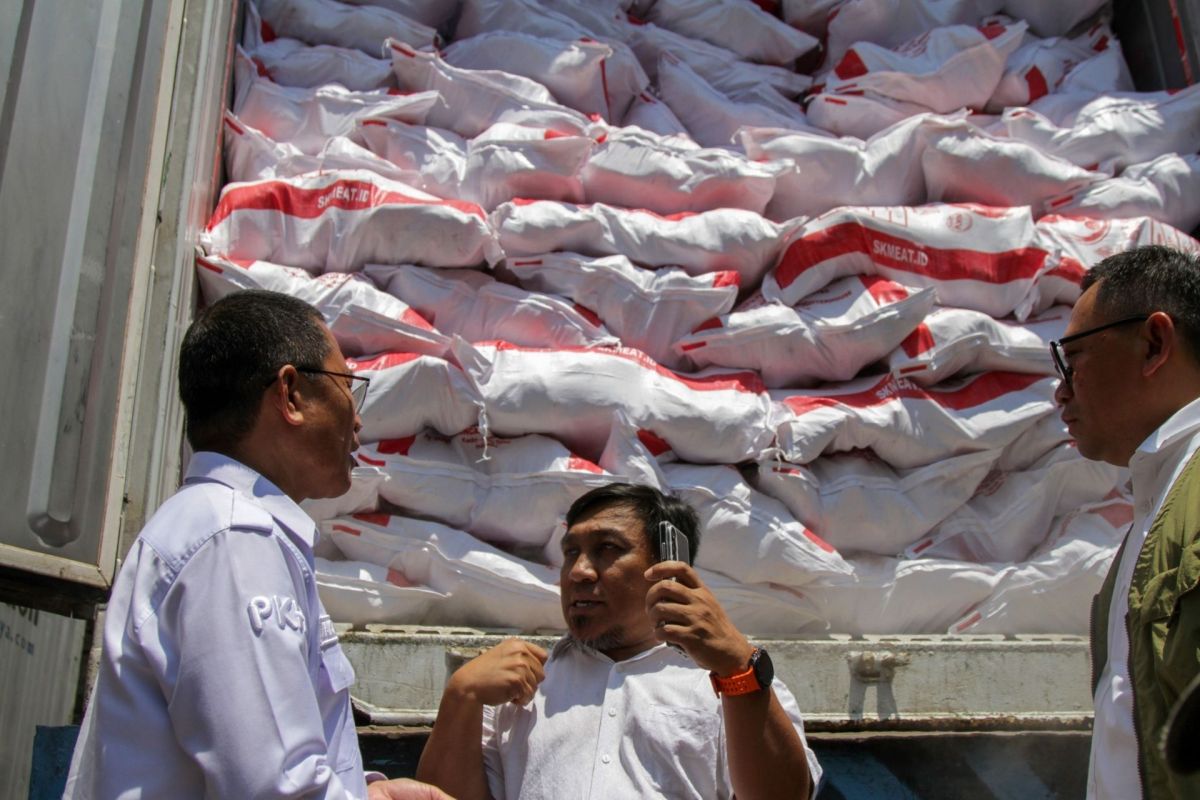
Sidoarjo, East Java (ANTARA) - ID FOOD, via PT Rajawali Nusantara Indonesia (Persero), is opening market access for layer chicken farmers in East Java by shipping 40 tonnes of frozen non-productive layer chicken to Makassar and Papua.
ID FOOD Commercial Director, Dwi Sutoro, stated that this step is part of the company’s effort to provide opportunities for farmers to market chickens that have reached the end of their production cycle.
“This inaugural opportunity involves the shipment of 40 tonnes of frozen layer chicken to establish a business-to-business (B2B) trading scheme that connects farmers with market needs more directly,” Dwi said in Sidoarjo on Tuesday.
According to Dwi, the absorption is directed towards meeting market needs in other regions, particularly in Eastern Indonesia, which possesses significant demand potential when considering product suitability, specifications, price, and supply sustainability.
Dwi explained that ID FOOD is currently capable of absorbing requirements for the Makassar and Papua markets up to 150 tonnes per month, with opportunities to increase absorption volume gradually.
He assessed that this pattern aligns with ID FOOD’s transformation into a food trading company that connects production sources with markets through its owned distribution network.
“In addition to increasing volume, we will also expand towards markets in other regions to ensure this business grows,” he said.
He noted that the Ministry of Agriculture supports the shipment of approximately 40 tonnes of layer chicken from East Java to South Sulawesi as an effort to stabilise prices and maintain the sustainability of farmers’ businesses.
“This is a form of our appreciation to our layer chicken farmer friends, specifically in East Java this time, so that stabilisation occurs and farmers can continue their businesses and production,” said Makmun.
He added that the shipment of layer chicken from East Java to regions outside Java also aims to help meet chicken meat requirements in areas still experiencing supply shortages, without disrupting the markets currently served by local farmers.