
ID Food Faces Packaging Shortages as Plastic Supply Tightens Due to Middle East Conflict
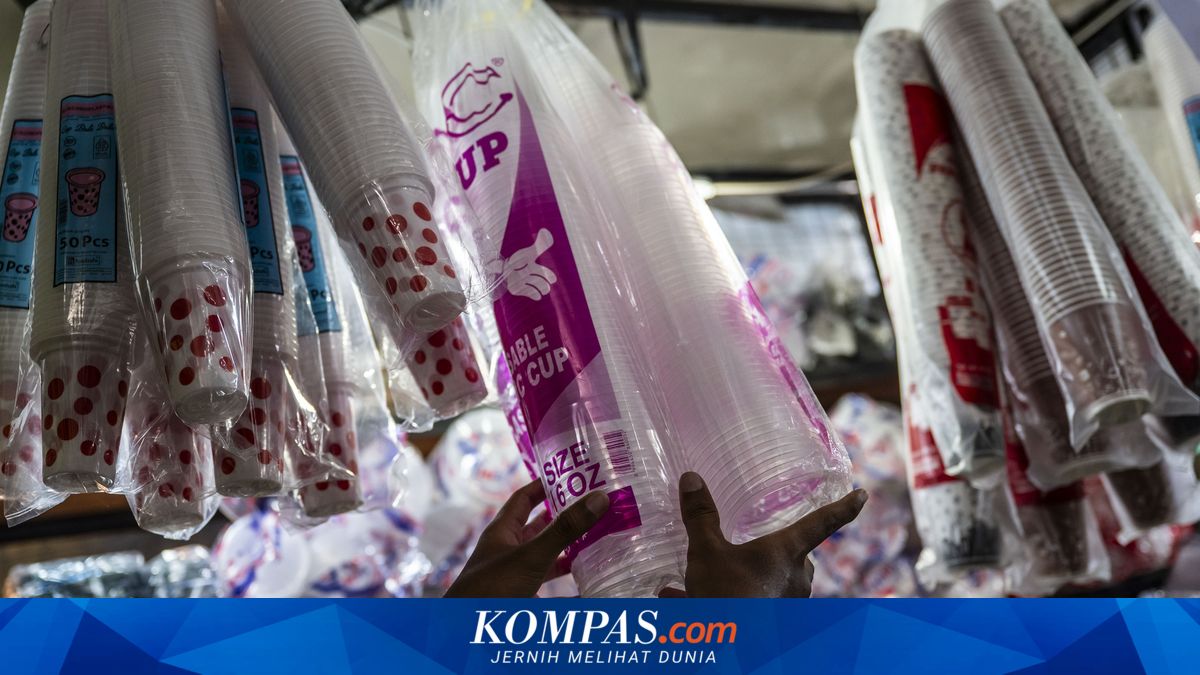
JAKARTA, KOMPAS.com - PT ID Food (Rajawali Nusantara Indonesia) is facing new pressures in food distribution. The company is struggling to obtain plastic for packaging its products.
ID Food’s President Director, Ghimoyo, highlighted the situation during a working meeting with Commission IV of the House of Representatives (DPR RI) at the Parliamentary Complex in Senayan, Jakarta, on Tuesday (7/4/2026).
“We are currently facing difficulties that are being felt by us as food industry players, namely shortages in packaging,” said Ghimoyo.
“So, all factories are starting to feel the scarcity of plastic pellets,” Ghimoyo added.
This issue directly impacts food distribution. Many commodities rely on plastic packaging.
“This is more crucial because it affects all food items, all fertilisers, all rice which use plastic sacks, as well as kilogram packaging and cooking oil packaging, all using the same materials,” explained Ghimoyo.
ID Food plays a vital role in maintaining the national food supply. The company manages the Government Rice Reserves (CPP) and helps control stocks of sugar, chillies, beef, buffalo, poultry, eggs, rice, and cooking oil.
The plastic supply pressure does not occur in isolation. Disruptions stem from the global supply chain.
Naphtha, a derivative of fossil fuels, serves as the main input for the plastics industry.
The direct impact is evident in prices. The Central Board of the Indonesian Market Traders Association (IKAPPI) has recorded significant increases.
IKAPPI’s General Secretary, Reynaldi Sarijowan, stated that plastic prices have risen by up to 50% since the conflict erupted on 28 February.
“Long before entering Ramadan, it was still Rp10,000. Then it gradually increased over a week, another week, another week, by Rp500, Rp700, various amounts, until today the peak is projected at 50%,” said Reynaldi when contacted by Kompas.com on Monday.
The rise in packaging costs risks pressuring the food distribution chain. The burden does not stop at producers but could potentially spread to consumer-level prices.