
ICW Proposes 10 Principles to Prevent Abuse of Power in Asset Forfeiture Bill
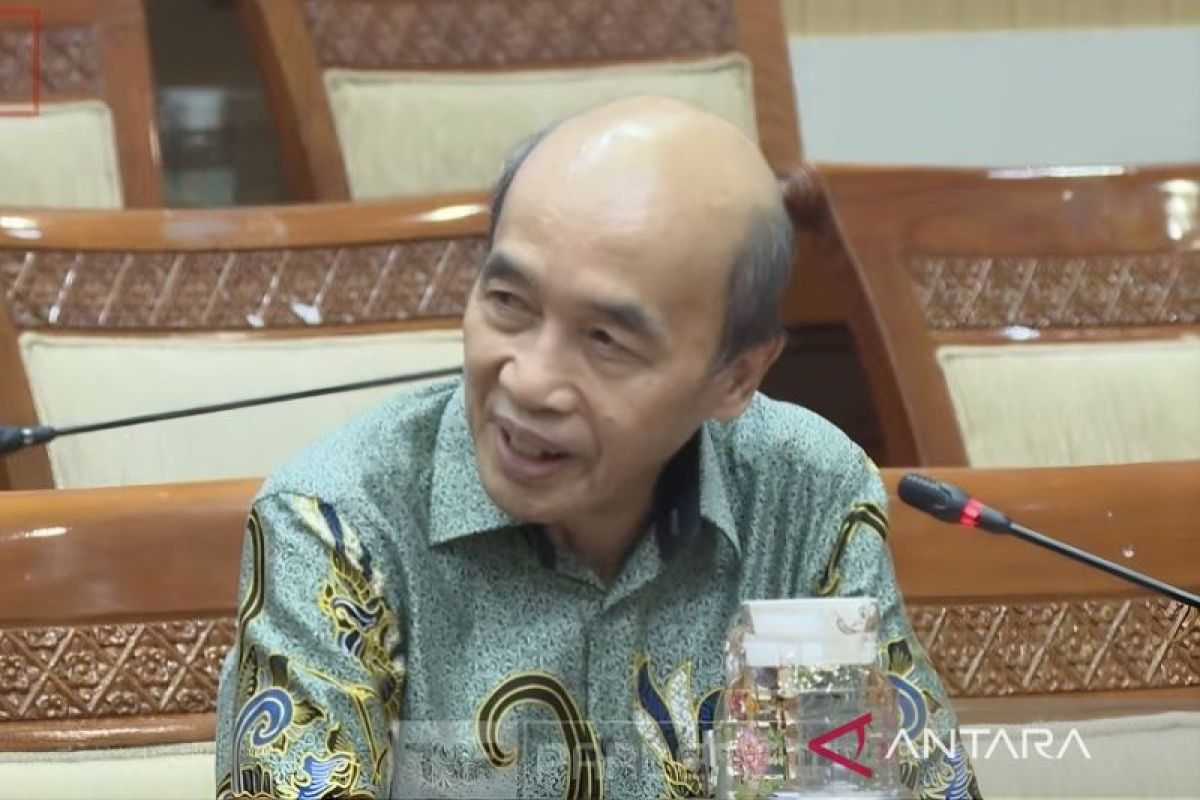
Indonesia Corruption Watch (ICW) researcher Bambang Harymurti has proposed ten principles that must be accommodated in the Asset Forfeiture Bill currently being deliberated by the House of Representatives (DPR). He argued these principles are essential to prevent the authority to seize assets resulting from criminal acts from becoming a tool of injustice, political intimidation, or a new form of corruption.
“The first legal principle is that permanent asset forfeiture must be decided by an independent court. This is crucial,” he stated during a public hearing at the DPR Commission III in Jakarta on Tuesday. Bambang stressed that no permanent forfeiture should occur without an independent court ruling, and the law must clearly distinguish between temporary seizure and permanent forfeiture. While acknowledging the state’s need to freeze assets quickly to prevent their sale or transfer, he insisted that investigators, prosecutors, police, or administrative bodies must not have the final authority to determine a person’s loss of property rights. “That decision must rest with an independent court after a process that allows the affected party to fully defend themselves,” he said.
The second principle dictates that the state must bear the burden of proof. A property owner should not be required to prove their innocence simply because an investigator deems their wealth suspicious. The state must first prove its case using valid evidence, including the asset in question, the alleged criminal act, the time and place of the unlawful conduct, and the factual link between the asset and the crime. “Only after this evidentiary threshold is met can the owner be asked to explain the legitimate origin of a specific asset,” he added.
Third, seizure without a court order must be limited strictly to extraordinary circumstances, which must be formulated in a written and exhaustive list to prevent multiple interpretations. Fourth, unexplained wealth cannot be automatically considered proceeds of crime; the law must explicitly state the distinction in the source of wealth. Fifth, third parties acting in good faith must receive firm protection, as a person’s relationship with a suspect does not automatically render their property as criminal assets.
Sixth, joint marital property requires special protection. If a husband is accused of corruption, or vice versa, the government must not automatically deem the spouse’s lawful share of joint assets as proceeds of crime. Seventh, Bambang emphasised there must be a clear temporal link between the criminal act and the asset. The state should not have unlimited authority to investigate a person’s entire financial history based solely on an allegation. “This does not mean old assets can never be forfeited. It means that the connection must be proven,” he explained.
Eighth, asset management must be independent from the investigation to the prosecution stage. He proposed establishing an independent asset management agency, arguing the state must preserve the value of seized assets. “This asset management agency must have professional asset managers, forensic accountants, asset valuation experts, legal experts, economists, transparent procurement processes, and independent audits,” Bambang detailed.
Ninth, wrongful forfeiture must carry consequences for the state. The law must provide a compensation mechanism, including asset return, restitution, compensation, and official accountability. Tenth, the law must explicitly prevent political misuse. He said it is necessary to affirm the prohibition against using asset forfeiture powers to silence political opponents, intimidate journalists or civil society, settle personal disputes, punish lawful political activity, pressure companies for political reasons, or target individuals without objective legal criteria. “The power to seize assets is one of the state’s most impactful powers over its citizens. The best protection is to build** a legal structure that makes abuse difficult to commit,” Bambang concluded.
Source: jawawa.id (https://jawawa.id/newsitem/icw-proposes-10-principles-to-prevent-abuse-of-power-in-asset-forfeiture-bill-1786442309)
Originally published by Antara (Indonesian) (https://www.antaranews.com/berita/5689311/pakar-usul-10-pagar-pelindung-harta-rakyat-di-ruu-perampasan-aset), translated from Indonesian