
ICW Deems Cash Restriction Regulation Difficult to Implement, Lacking Political Will from DPR
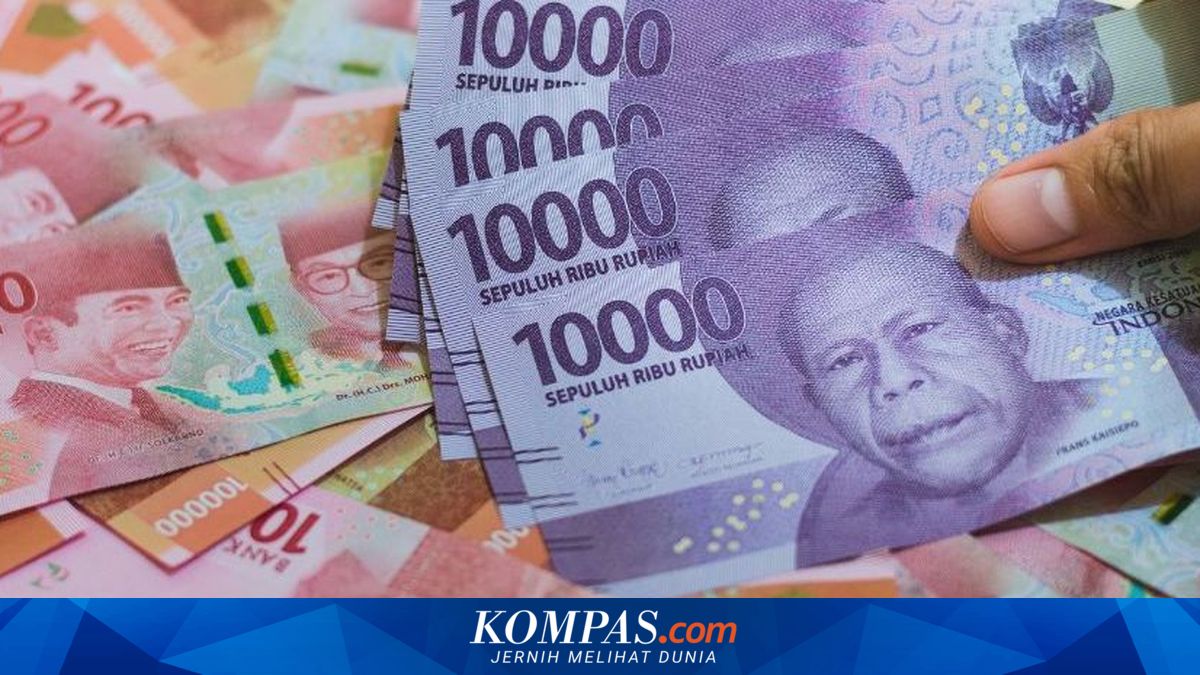
JAKARTA, KOMPAS.com - Indonesia Corruption Watch (ICW) states that a regulation on limiting cash could prevent money politics and the rampant crime of money laundering (TPPU) during elections.
Nevertheless, ICW assesses that realising a regulation on cash limitations remains difficult due to the absence of political will from the DPR.
“So the push for limiting physical currency has been around for a long time, along with the Draft Law on Asset Seizure. This is indeed important as a mechanism to prevent TPPU and money politics during elections, where the practices are still prevalent. Regarding whether it can or cannot be done, looking at the political will from the lawmakers, it seems difficult,” said ICW researcher Seira Tamara to reporters on Tuesday (28/4/2026).
She alluded to a statement by DPR member Bambang Wuryanto in 2022, who said that the Draft Law on Limiting Physical Currency would hinder politicians in garnering votes ahead of elections.
“So even though this recommendation is important, in terms of implementation, reflecting on the DPR’s political will, it will be difficult,” Seira stated.
KPK Spokesperson Budi Prasetyo said that such a rule is necessary because the use of cash in the election process is still very dominant.
“This condition is seen to increase the opportunities for vote buying or money politics, which has long been a classic problem in electoral democracy,” Budi said in Jakarta on Saturday (25/4/2026).
The study conducted by the KPK’s Monitoring Directorate in 2025 has also been reported to President Prabowo Subianto and DPR Speaker Puan Maharani.
In its report, the KPK conveyed three main recommendations.
The KPK considers limiting physical currency transactions as an urgent need due to the prevalence of money politics practices using physical cash.
This phenomenon is regarded as an entry point for repeated political corruption that is difficult to monitor.
“Therefore, limiting physical currency transactions is viewed as one strategic step in efforts to prevent corruption,” Budi stated.