
ICW: Alleged Coal Corruption a Critical Alarm for Procurement Contract Transparency
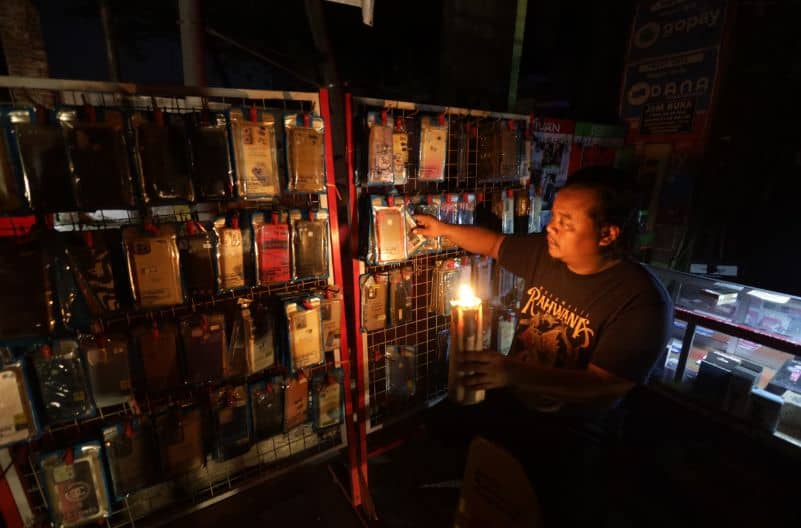
Indonesia Corruption Watch (ICW) has said that alleged corruption in the procurement and supply of coal for several coal-fired power plants (PLTU), suspected of leading to power supply disruptions in various regions, is a serious warning for the governance of the national electricity sector.
Egi Primayogha, head of ICW’s advocacy division, said the case shows that vulnerable points for corrupt practices in the energy sector, particularly the coal industry, occur not only in licensing and construction projects, but also along the fuel supply chain that keeps power plants running.
“This case is important because it shows that corruption in the coal sector is not only about coal mining licences, exports and imports, or PLTU construction, but also the fuel supply chain for plant operations,” he told Media Indonesia on Thursday (9 July).
ICW is therefore urging law enforcement to openly investigate the links between the alleged corruption and the power outages that occurred in Java, Sumatra, Kalimantan and Greater Jakarta.
“Law enforcement should be able to explain further relevant matters, such as which PLTUs received the coal supplies,” Egi said.
According to Egi, the public has a right to know which power plants received problematic coal supplies and how the alleged manipulation of coal quality and volume could disrupt plant operations, with knock-on effects for the electricity system.
“How did irregularities related to the manipulation of coal quality and volume affect plant operations, and how could that disrupt the electricity system?” he said.
Furthermore, ICW believes the alleged case reflects fundamental governance problems at PT PLN (Persero). Egi also questioned the oversight mechanisms the company has applied to ensure the quality and quantity of coal delivered to its plants.
“PLN must answer several questions, such as how it has been ensuring coal quality and quantity, why the alleged manipulation went undetected, and how internal supervision, audits and risk management have been carried out,” he said.
In addition, ICW reiterated the importance of transparency in the electricity sector, particularly regarding fuel procurement contracts and power purchase agreements. According to Egi, transparency is a vital instrument for strengthening public oversight and preventing irregularities from the outset.
“There must be contract transparency in the electricity sector, from fuel procurement contracts to power purchase agreements. Openness is important so the public can monitor contract implementation and detect irregularities early, including ensuring there are no clauses detrimental to the public,” he said.
On the other hand, ICW views the case as a reminder of the urgency of accelerating the energy transition. Heavy dependence on fossil fuels is seen as posing not only environmental risks, but also opening the door to recurring corruption.
“This case yet again demonstrates the need to break free from fossil fuel dependence. The fossil fuel trap only perpetuates corrupt practices. A just energy transition must be carried out immediately,” he concluded.