
ICPI: Shopping Tourism Mapping Must Be Studied Based on Tourist Interests
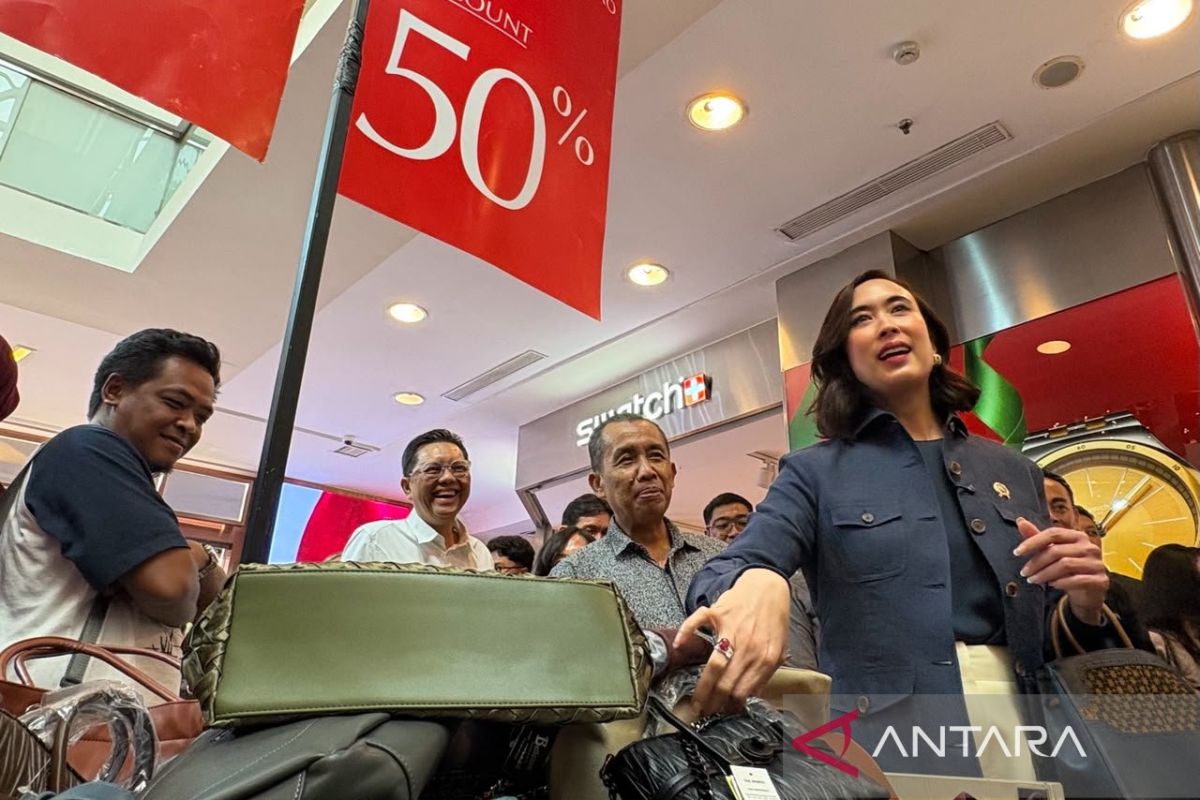
The Indonesian Tourism Scholars Association (ICPI) has assessed that the shopping tourism mapping currently being designed by the government needs to be studied based on the interests, hobbies, and needs of tourists. “Since 2023, there has been a shift from quality tourism to customized tourism. The customized tourism paradigm shift is moving towards what I call, on a micro level, special interest tourism,” said ICPI Chairman Azril Azhari when contacted in Jakarta on Friday. Azril stated that what tourists are now seeking is a personal, locally blended, and immersive experience. These interests are fostering thematic tourism segments such as health tourism, senior tourism, sports tourism, nature tourism, and shopping tourism. Regarding shopping tourism, he assessed that this segment is quite broad as it encompasses fashion, culinary, and craft products. Observing these interests must also be balanced with understanding tourist or traveller behaviour when visiting a region. Azril cited the example of many Singaporean tourists who prefer to buy suitcases in Batam to fill with their shopping items and then immediately return to their home country due to its proximity to their entry point. This behaviour differs from Australian tourists who enjoy staying for quite a long time to enjoy the waves and surf in the Mentawai Islands. From a culinary perspective, Singaporean and Malaysian tourists like to seek out foods such as noodles with authentic spice flavours. This experience can be found in Bangka. “So, when we talk about shopping tourism, the tourist does not then go to the mountains. Special interest tourism is special; it is specific to a hobby, to a passion, not general. So, the tourist will stay longer in a place and deepen their experience,” he said. In addition, Azril said the government needs to conduct zoning to evaluate regions and see the multiplier effect for the tourism and economic sectors so that all business actors within them can reap the benefits. The first thing to consider is hospitality, which relates to accommodation including villas, homestays, food and beverage businesses, and entertainment. The government also needs to consider infrastructure and transportation readiness. He gave the example of Australian tourists who often face difficulties boarding planes that can carry their surfboards together due to small capacity. Next is destination and attraction development. Both need to be developed to become special, thereby generating more revenue for the region, including tour packages offered that cover all the interests tourists are seeking. This can be learned from Thailand, which presents the Siam Niramit show, various tour packages to visit street food locations, experience beach yoga sensations, and so forth. “From all these aspects, the government needs to calculate which is the most prominent for the multiplier effect. From the evaluation results, calculate the distribution and its contribution to our Gross Domestic Product (GDP); if it is more than 15 percent, only then can it be considered our leading sector,” he stated. Previously, Deputy Minister of Tourism Ni Luh Puspa conveyed that the Ministry of Tourism is designing special travel patterns for shopping tourism in various regions as an effort to strengthen tourism appeal while increasing tourist spending during their stay in Indonesia. The formulation is being carried out together with retail industry players to design travel patterns that can make it easier for tourists to find shopping centres and unique local products from each region.